
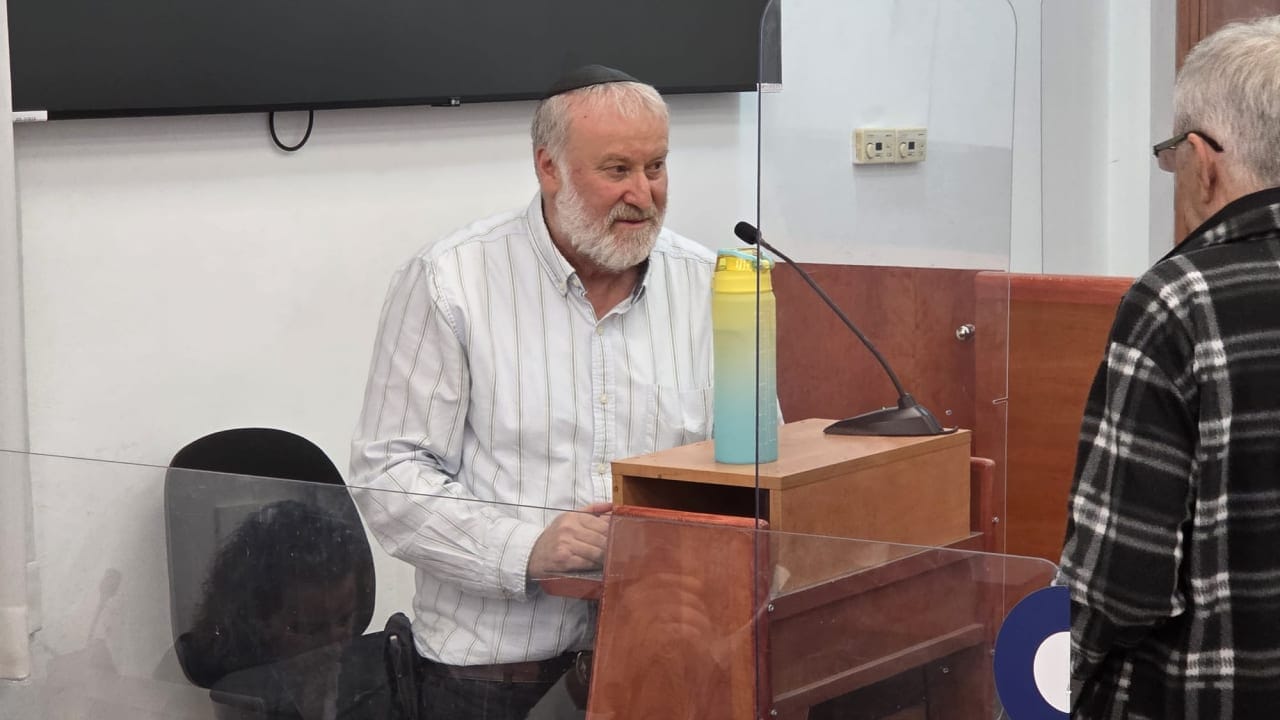
OCTOBER 22, 2026 12:29Updated: OCTOBER 22, 2026 12:31Prime Minister Benjamin Netanyahu’s defense pressed former attorney-general Avichai Mandelblit on Thursday about his approval of police questioning of former Netanyahu aide-turned-state witness Ari Harow, contrasting investigators’ accounts of his involvement with his testimony that he approved a broader framework without directing every detail.The exchanges at the Jerusalem District Court focused on how closely Mandelblit supervised the early inquiries into Netanyahu and whether investigators stayed within the limits he set.Defense lawyer Amit Hadad presented accounts from investigators attributing decisions concerning Harow’s questioning to Mandelblit. The former attorney-general said he probably approved bringing Harow in as part of a broader framework, but did not recall all the particulars and distinguished that approval from deciding whether to detain him.Harow, Netanyahu’s former chief of staff, later became a state witness. Recordings of conversations between Netanyahu and Yediot Aharonot publisher Arnon Mozes, held on Harow’s phone, became central to Case 2000.The case concerns discussions of a possible exchange of more favorable coverage for Netanyahu in return for steps against Yediot’s rival, Israel Hayom. Netanyahu is charged with fraud and breach of trust in the case and denies wrongdoing.Former attorney-general Avichai Mandelblit testifies in Netanyahu trial, October 22, 2026. (credit: COURTESY)Mandelblit, who authorized the investigations and later approved the indictment, was called to testify by the defense. Under Basic Law: The Government, opening a criminal investigation into a sitting prime minister requires the attorney-general’s consent. Hadad’s questioning has focused on what that consent covered and when it was given.Hadad referred Mandelblit to accounts from police investigators Koresh Bar-Nur and Mumi Meshulam concerning his approval of steps involving Harow, including stopping him at the airport.Mandelblit said he did not remember the precise details. He maintained that approving an investigative framework did not mean he had addressed each operational decision.Hadad challenged breadth of questions put to HarowHadad also challenged the breadth of questions put to Harow, presenting passages in which investigators sought information beyond specific incidents. He argued that the questioning exceeded what had been authorized.Mandelblit said the questions made sense to him in the context of discussions about Harow becoming a state witness - a suspect who agrees to testify for the prosecution in return for concessions in his own case.Judge Moshe Bar-Am pressed him specifically about questioning that reached back a decade.Hadad also argued that an investigator’s suggestion that Harow consult his lawyer indicated that a process toward a state-witness agreement was already underway in 2016.Prosecutor Alon Gildin objected to questioning Mandelblit about alleged police misconduct after the general approval had been given. Judge Oded Shaham observed that sufficiently significant misconduct could nevertheless be relevant.The hearing also returned to Mandelblit’s distinction between preliminary checks and a full criminal investigation.Hadad presented a television report by journalist Dana Weiss that attributed to Mandelblit remarks describing some of the matters brought to him early in his tenure as trivial or bordering on gossip.Mandelblit said he could not confirm the precise wording but acknowledged the substance. He explained that allegations against senior public officials could require examination even before reasonable suspicion formed, both to determine whether there was a basis to proceed and to clear unresolved suspicions.He said he had hoped the checks would produce nothing.Regarding Case 1000, which concerns allegations that Netanyahu received expensive gifts from wealthy businessmen, Mandelblit said the initial suspicions had not justified opening a full criminal investigation into the prime minister. He described Case 2000 as legally more complicated.Asked what information he received before meetings on the inquiries, Mandelblit said he sometimes received raw material, but usually a summary of the findings and recommendations. He said the material went through the state attorney before reaching him.Yonah Jeremy Bob contributed to this report.Follow us on Google
Netanyahu defense challenges Mandelblit over police questioning of key state witness
Full Article
Original Source
Read the full article at Jpost →KhanList aggregates and links to publicly available news content. We do not host full articles from third-party sources. Always verify important information with original sources.