
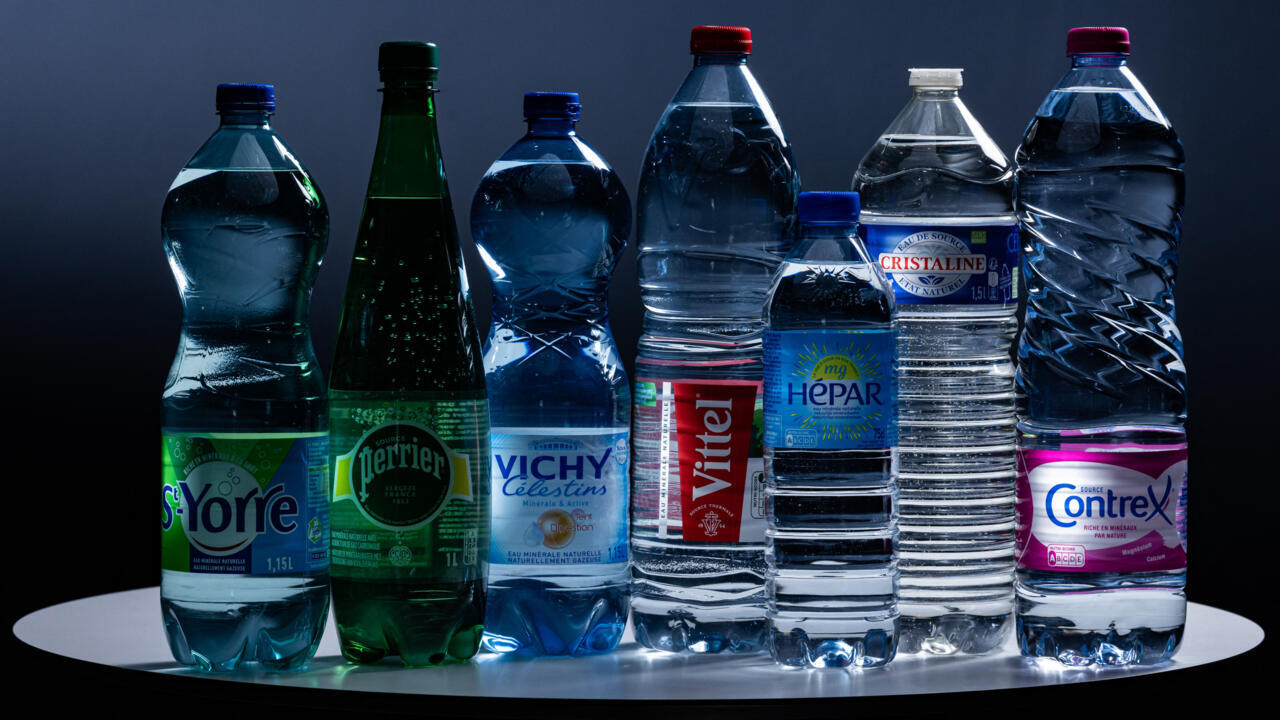
Nestlé Waters is to face a new trial over alleged illegal dumping near its bottled water plants in eastern France, after an appeals court reinstated key scientific evidence excluded from the original proceedings. Issued on: 18/09/2026 - 08:03Modified: 18/09/2026 - 08:04 2 min Reading time A court of appeal in Nancy ruled on Thursday that the Nestlé Waters case should be sent back to the city’s criminal court for a fresh hearing, overturning a March decision that had removed a series of test results and expert reports from the case. A newly constituted court will now hear the case, although no date has yet been set. The ruling also means there will be no verdict on 7 October, as had previously been expected following the first trial in March. The court will also decide whether further expert assessments should be commissioned. Disputed evidence The case concerns several large unauthorised waste sites near Nestlé Waters’ bottling plants at Vittel and Contrexéville in the Vosges region. The Swiss food and drinks giant is accused of having operated or managed dumps containing large quantities of plastic and other waste close to the sites where it bottles mineral water. Lawyers representing environmental groups say the affected area is equivalent to “seven football pitches covered with 10 metres of waste”. The waste itself dates mainly from the 1960s and 1970s, when the factories were under previous ownership. Nestlé acquired the sites in 1992. French report links Nestlé bottled waters to record microplastic contamination When the company's first trial opened in Nancy in March, however, the court excluded a significant part of the prosecution evidence. Among the documents removed from proceedings were analyses of microplastic contamination and reports by specialist engineering firms commissioned by prosecutors during the investigation. Many of the findings were unfavourable to Nestlé Waters, with some analyses recording what investigators described as “incomparable” levels of microplastics in soil and water near four unauthorised landfill sites. Their exclusion left the court largely considering studies commissioned and financed by Nestlé itself – something environmental groups argued created an imbalance in the evidence. Troubled waters Both prosecutors and the civil parties appealed against the criminal court's March decision to exclude the material. A lawyer representing environmental organisations raised the issue during a hearing at the court of appeal in June. Thursday's ruling effectively restarts the case, allowing the disputed material to be considered when Nestlé Waters returns to court. The decision was in line with the position of the advocate general, who had backed the reinstatement of the contested evidence. Nestlé Waters stressed that allowing the reports back into the case did not mean the appeals court had accepted their conclusions. “Nestlé Waters regrets today’s ruling,” the company said in a statement, adding that the decision to reinstate the analyses “in no way constitutes an endorsement of their scientific reliability”. French government accused of top-level cover-up in Nestlé water scandal The case is one of several environmental and legal controversies to have drawn scrutiny of France’s bottled water industry. Last year, an inquiry by the French Senate concluded that the government covered up a scandal over the treatment of mineral water by Nestlé, including the iconic Perrier brand. Nestlé Waters admitted in 2024 to using banned treatments – including UV disinfection and activated carbon filters – on some of its bottled water brands to meet food safety standards. European law stipulates that natural mineral waters cannot be disinfected or treated in any way that alters its characteristics. (with newswires)
Nestlé to face retrial over illegal dumping near French bottled water plants
Full Article
Original Source
Read the full article at Rfi →KhanList aggregates and links to publicly available news content. We do not host full articles from third-party sources. Always verify important information with original sources.