
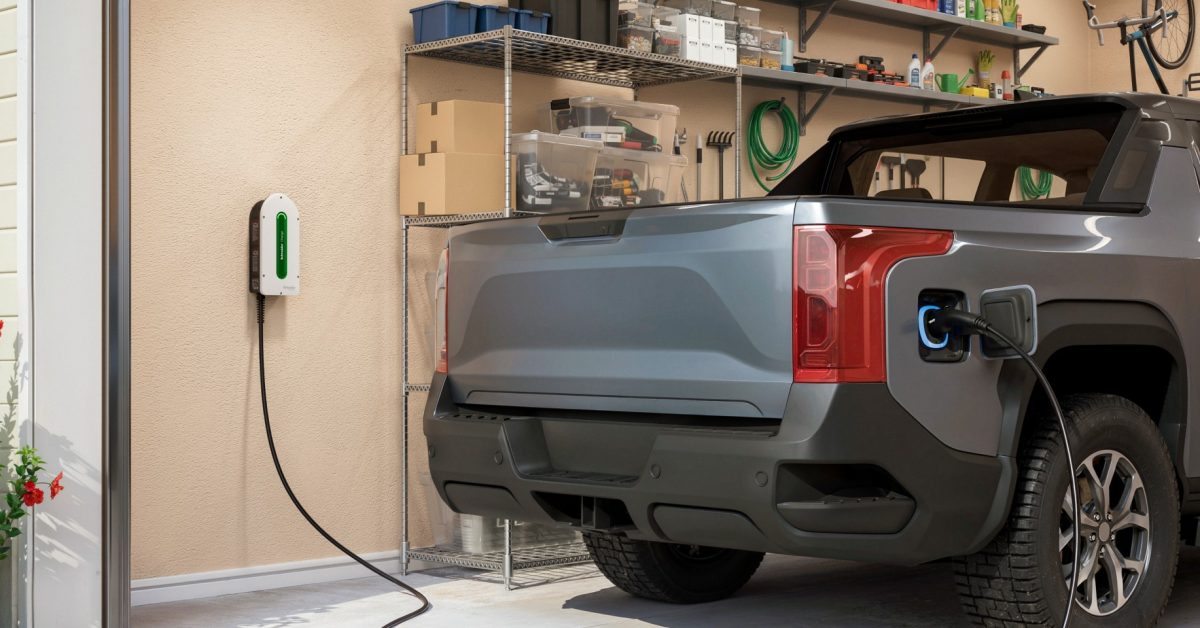
Schneider Charge. Photo: Schneider Electric Schneider Electric’s new 48-amp home EV charger is designed to solve one of the priciest problems that can come with buying an EV: discovering that your house needs an electrical panel or service upgrade before you can charge at Level 2 speeds. The new Schneider Charge uses built-in dynamic load management to monitor how much electricity a home is using and automatically turn the EV’s charging rate up or down. That means some homeowners may be able to add a charger without exceeding their home’s existing electrical capacity. Schneider says panel and service upgrades can cost anywhere from $2,000 to $6,500 or more, depending on the house and the work required. “As homeowners buy EVs and add high-power electric technologies, many are realizing their existing electrical systems were not built for that level of demand,” said Shawn Bonacorsi, head of electrification solutions at Schneider Electric’s North America operations. “Schneider Charge helps remove that installation hurdle by enabling safe, reliable Level 2 charging within a home’s existing electrical capacity, making EV charging simpler and easier at home where most charging takes place.” How Schneider Charge manages a home’s electrical load The charger’s SmartAmp system uses included current transformers – sensors installed around electrical conductors – to measure a home’s electricity use in real time. If other big electrical loads, such as an electric dryer or oven, start pulling more power, SmartAmp can temporarily reduce the EV’s charging speed. When demand elsewhere in the house drops, it can increase the charging rate again. The load-management feature keeps working if the home’s wifi goes down, and it doesn’t require a separate monitoring device or gateway. Schneider Charge can deliver up to 11.5 kW at 48 amps, although the actual charging rate will also depend on the EV’s onboard charger. It comes with a 25-foot cable and a choice of a J1772 or NACS connector. The initial model is hardwired; Schneider says a plug-in version will arrive in early 2027. The charger is part of a UL 3141-certified system, which matters because that standard covers power-control equipment designed to prevent electrical systems from being overloaded. UL Solutions says these systems can provide a less expensive alternative to panel or utility-service upgrades. However, whether a managed-load installation can replace an upgrade will depend on the house and whether the local authority having jurisdiction accepts that installation method. An electrician will still need to assess the home’s wiring, panel, service capacity, and local code requirements. App controls and future grid programs The Schneider Charge app lets drivers check charging in real time, adjust settings, and schedule charging for times when electricity is cheaper. The charger also supports OCPP 1.6, an open communications standard used to connect chargers with management platforms. Schneider says that could allow it to support future utility and grid-service programs, although the announcement doesn’t identify any programs available at launch. Schneider is working with home electrification installer Qmerit to provide installation support. Schneider Charge is now available in the US and Canada through authorized distributors and Schneider Electric’s online marketplace. The company hasn’t yet disclosed the price of the Schneider Charge. Read more: Walmart’s 400 kW EV charging network just hit 100 stores If you’re looking to replace your old HVAC equipment, it’s always a good idea to get quotes from a few installers. To make sure you’re finding a trusted, reliable HVAC installer near you that offers competitive pricing on heat pumps, check out EnergySage. EnergySage is a free service that makes it easy for you to get a heat pump. They have pre-vetted heat pump installers competing for your business, ensuring you get high quality solutions. Plus, it’s free to use! Your personalized heat pump quotes are easy to compare online and you’ll get access to unbiased Energy Advisors to help you every step of the way. Get started here. – *ad FTC: We use income earning auto affiliate links. More.
Need a panel upgrade for an EV charger? Schneider may have a workaround
Full Article
Original Source
Read the full article at Electrek →KhanList aggregates and links to publicly available news content. We do not host full articles from third-party sources. Always verify important information with original sources.