
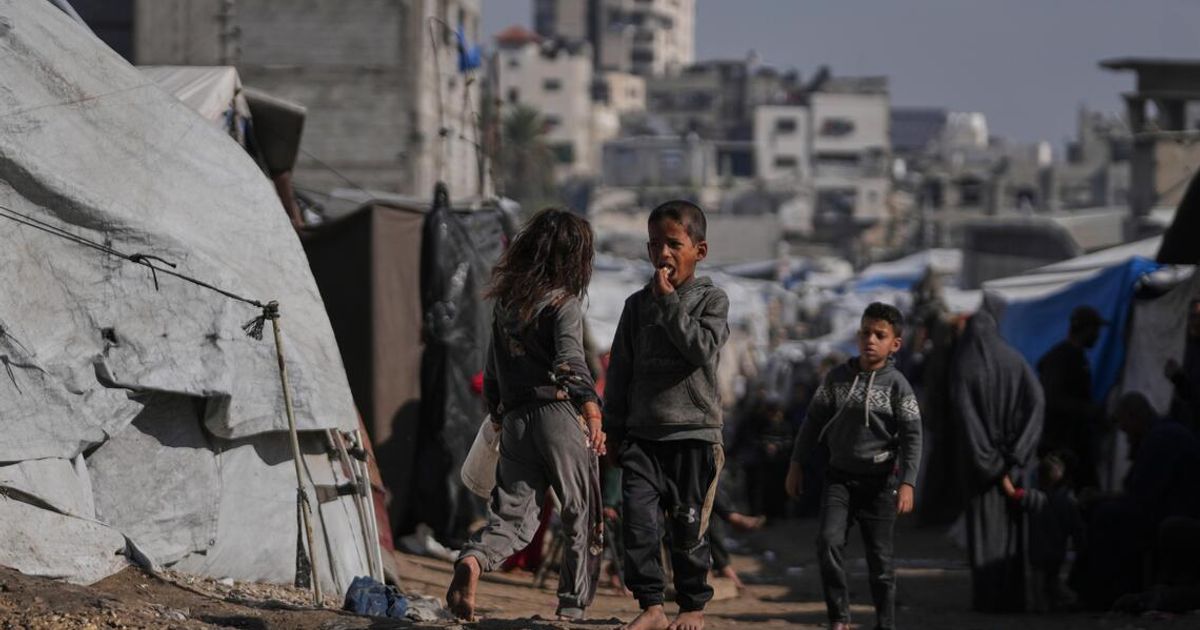
AMMAN - Nearly a quarter of the world’s children are currently living in a conflict zone, a record rate since statistics were first recorded in the 1990s, the charity Save the Children said on Nov 19.“Almost one in four children worldwide are now living in conflict zones, the highest number since records began in 1990,” the London-based charity said.“The figure represents an increase of more than 50% in a decade, jumping from 378 million in 2015 to 589 million in 2025,” it added.The report was titled “Stop the War on Children: Changing the Odds” and drew on statistics from the Peace Research Institute Oslo (PRIO).The percentage of children living in conflict zones has doubled from 10% in the mid-1990s to 23.4% in 2025.“These record-high figures are a stark reminder that conflict is devastating the daily lives, education, health and future prospects of hundreds of millions of children,” said Gudrun Ostby, a research professor at PRIO.“Unless greater efforts are made to protect children in conflict settings, the consequences of today’s wars will be felt for decades to come,” he added.The report defines conflict zones as areas existing within a 50km radius in which at least one armed attack took place.Africa has the largest number of children living in conflict zones, at about 260 million, or 44% of the total across the globe, the report found.Rates have surged in the Middle East as well, from 52 million children in 2024 to 67 million in 2025, a 29% increase.An average of two in five children in Africa and the Middle East are living in conflict zones, it added.“The scale of this crisis is rapidly growing, and the systems meant to protect children are being pushed to breaking point,” said Inger Ashing, chief executive of Save The Children International. AFP
Nearly a quarter of world’s children live in conflict zone: Charity
Full Article
Original Source
Read the full article at Straitstimes →KhanList aggregates and links to publicly available news content. We do not host full articles from third-party sources. Always verify important information with original sources.