
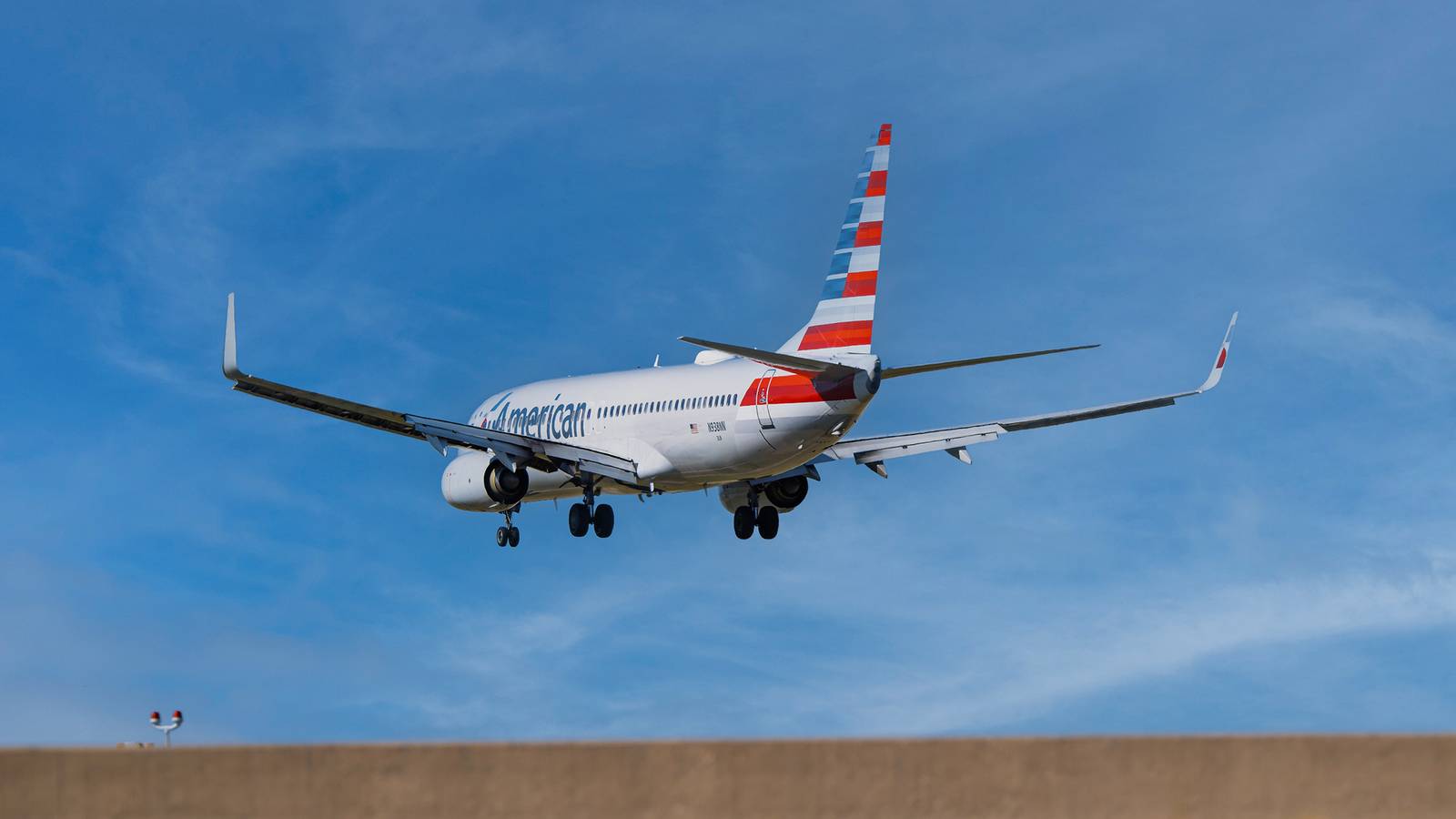
Published Oct 24, 2026, 7:08 AM EDT Luke has over a decade of experience as a travel writer and aviation analyst. As a passionate traveler based across the Middle East and Asia, Luke offers strong insights into the industry. Based in South East Asia. The Federal Aviation Administration ( FAA) has ordered inspections of nearly 2,000 Boeing 737 Next Generation (737NG) aircraft after multiple operators reported incidents in which the planes' noses moved up and down during flight. The airworthiness directive (AD) targets excessive movement in the hinges and jackscrew that support and move the aircraft's horizontal stabilizer. The FAA warned that the issue could cause flutter and potentially lead to a loss of control if left unaddressed. The AD takes effect next month and covers a total of 1,987 US-registered Boeing 737NG aircraft, consisting of 737-600, -700, -700C, -800, -900 and -900ER models. The Boeing 737 MAX family is not affected by the directive. FAA Makes Boeing 737NG Tail Checks Mandatory Credit: Robin Guess | Shutterstock AD 2026-20-14 takes effect on November 23 and requires airlines to measure excessive movement, also known as freeplay, at the left and right horizontal stabilizer pivot hinges and at the jackscrew. Depending on the results, operators may need to repeat the checks at specified intervals, or repair or replace worn parts. The order follows several reports of pitch oscillation events due to excessive horizontal stabilizer freeplay on 737NG aircraft. The FAA did not specify how many pitch oscillation incidents were reported, when they occurred, or which airlines were involved. On the 737, the horizontal stabilizer moves to adjust the aircraft's nose-up or nose-down position. It pivots on two hinges, while a jackscrew moves it into position. As these parts wear, freeplay can increase. If it becomes excessive, the stabilizer may experience flutter, potentially resulting in a loss of aircraft control. According to the FAA, "The unsafe condition, if not addressed, could lead to a flutter event, which can result in loss of control of the airplane." Airlines Requested More Time, The FAA Said No Credit: Robin Guess | Shutterstock The order was first proposed in January before being made final this week. At the time, several airlines and operators asked for more time or flexibility, including United Airlines, which has over 300 aircraft affected. United requested longer intervals between repeat inspections, as well as credit for checks already completed. Meanwhile, Alaska Airlines asked to repair worn parts immediately rather than carry out interim freeplay checks. Canadian North also asked for the initial inspection deadline to be pushed back from 12 months to 36 months, allowing the work to coincide with heavy maintenance visits. The FAA rejected these requests, saying the inspection intervals were to ensure excessive freeplay does not develop in either original or replacement parts. It is estimated that each inspection will take six work hours and cost $510 per aircraft, putting the cost across the US fleet at over $1 million, not including the price of replacement parts. How Many Boeing 737NGs Could Be Affected? Credit: Alena Sukhava | Shutterstock The FAA's directive currently covers US-registered 737NG models only, with authorities in other countries set to decide whether to mandate the same checks on aircraft registered in their jurisdictions. Data from ch-aviation shows there are over 5,160 737NG aircraft listed as active worldwide, while the 737-800 is the most common commercial jet model in service in the US today. The world's largest Boeing 737 operator is Southwest Airlines, which has more than 800 737-family jets in service, over 500 of which are -700 and -800 models. Irish ultra-low-cost giant Ryanair is second with over 400 737NGs, followed by United and American Airlines. Boeing delivered more than 7,000 737NGs between 1997 and January 2020, when the last jets were handed over. The fleet has faced widespread inspections before. In 2019, cracks in the "pickle fork" structure connecting the wings to the fuselage led the FAA to order inspections on US-registered 737NGs, also leading to dozens of aircraft being grounded worldwide.
Nearly 2,000 Boeing 737s Must Get Tail Inspections After Jets Pitched Up And Down Mid-Flight
Full Article
Original Source
Read the full article at Simpleflying →KhanList aggregates and links to publicly available news content. We do not host full articles from third-party sources. Always verify important information with original sources.