
As with so much else, the public health system would be kaput without Gift of the Givers.A cursory scroll of social media this week showed Dr Arthur Manning of the Rahima Moosa Mother & Child Hospital in Coronationville thanking Gift of the Givers for an MRI scanning machine. The organisation also earlier installed a borehole at Rahima Moosa, which suffers from the area’s chronic water and power cuts.Then, Gift facilitated catch-up surgeries at the Steve Biko Hospital, donated iPads to Tygerberg and also began a health partnership with the SANDF. That was just this week. File photo: In October 2022, Gift of the Givers sent a team of theatre nurses and anaesthetists to assist with the backlog at Robert Mangaliso Sobukwe Hospital in Kimberley. (Photo: Emile Hendricks / Spotlight) If Gift of the Givers were to run universal public healthcare: happiness. Its ethos of service and selflessness engenders trust. I’d guess there isn’t one of us on private medical aid who doesn’t wish for more caring, less exploitative healthcare funded by the tax rand, and for everybody.It would be a public health system of meaningful equity and rising equality. One of the other images on the Gift scroll is of Dr Imtiaz Sooliman bidding farewell to Dr Nicholas Crisp, the architect of the National Health Insurance Act (NHI), whom the post says is retiring this week. If that’s right, he is doing so on the heels of a massive News24 exposé of a R182-million NHI PR spin tender that the SA Medical Association (Sama) this week asked President Cyril Ramaphosa to have the SIU investigate. Crisp, along with the department’s spokesperson, Foster Mohale, are at its centre. Dr Nicholas Crisp at Daily Maverick’s The Gathering. (Photo: Leila Dougan) The report does not suggest they were personally enriched, but it does reveal how NHI planning and budgeting has few accountability checks. Neither appears to have performed basic financial management, while the media products put out about the NHI by the two companies were ideologically heavy, informationally poor and mediocre.Azarrah Karrim exposed how the underfunded health department diverted the R182-million to two small PR companies to spin for the NHI plan. The contracts were uncapped and used essential health funds for campaigns that went almost unnoticed. Former City Press editor Khathu Mamaila’s company, KMTV, was paid R146-million over two years (a gargantuan media budget) while Musa Likobo’s Dots Design Company received R39-million, according to the reports.Foster Mohale, spokesperson for the Department of Health. (Photo: GCIS) No consensus on NHIThe NHI has so little buy-in or consensus that eight organisations, including the SA Medical Association (an organisation of doctors), have challenged the law.It is currently in abeyance pending high-level negotiations to find a more South African social contract solution to universal healthcare than the sledgehammer developed by now-exiting Crisp.The NHI does not adjoin the private and public systems as much as it seeks to obliterate one (private medical aid and healthcare) to create a state-led system. It’s a recipe for corruption as it envisages a system where a board appointed by the Minister makes all medical goods and service procurement decisions.When I pointed out the very obvious medical care capture risks to Crisp in an interview years ago, he brushed it aside and said there was no corruption risk. A public hearing on the NHI in Kagiso, in Johannesburg. (Photo: Rosetta Msimango / Spotlight) It was unrealistic pie-in-the-sky thinking then, but it now reveals that masses of funding followed.The Tembisa Hospital corruption, first highlighted by the whistleblower Babita Deokaran and then completed by News24 investigative reporter Jeff Wicks, netted R600-million in corrupt contracts for a single tenderpreneur. The NHI risks putting such practices on accelerate, because of single purchaser rules and the power vested in a single politician. The NHI spin deal shows that even as medical aids and doctors issued broadside after broadside at the conceptualisation and design of the NHI, Crisp and Mohale, with others, diverted funds to a system placed in abeyance at least a year ago. Health civil society, itself, has come up with other options.In requesting that Ramaphosa investigate, Sama CEO Dr Mzulungile Nodikida said: “Of particular concern is that the reported use of funding from critical health programmes, including HIV/Aids, tuberculosis and child nutrition as an NHI allocation intended to support the development of a payment mechanism for contracting GPs into district health services.”Sama CEO Dr Mzulungile Nodikida. (Photo: Sean Christie) “Sama supports appropriate and effective public health communication. However, communication campaigns cannot come at the expense of healthcare delivery, particularly at a time when the health system is already under severe financial and operational pressure.”State Capture and patronage systems always end up hurting the poor most. Sky-high electricity tariffs, the cost of Eskom reform, fall hardest on people who are working class or poor.The high cost of taxis as public transport after Prasa was bludgeoned by capture is borne by the same people. DM
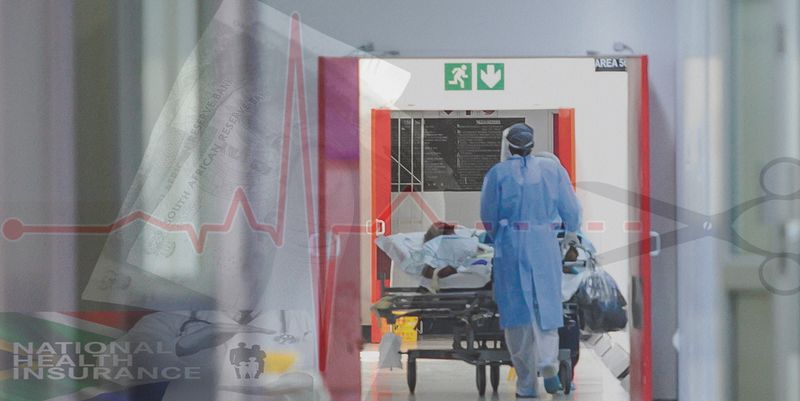
NATIONAL UNHEALTHY INSURANCE: R182m NHI spin deal is a warning of what’s to come
Full Article
Original Source
Read the full article at Dailymaverick →KhanList aggregates and links to publicly available news content. We do not host full articles from third-party sources. Always verify important information with original sources.