
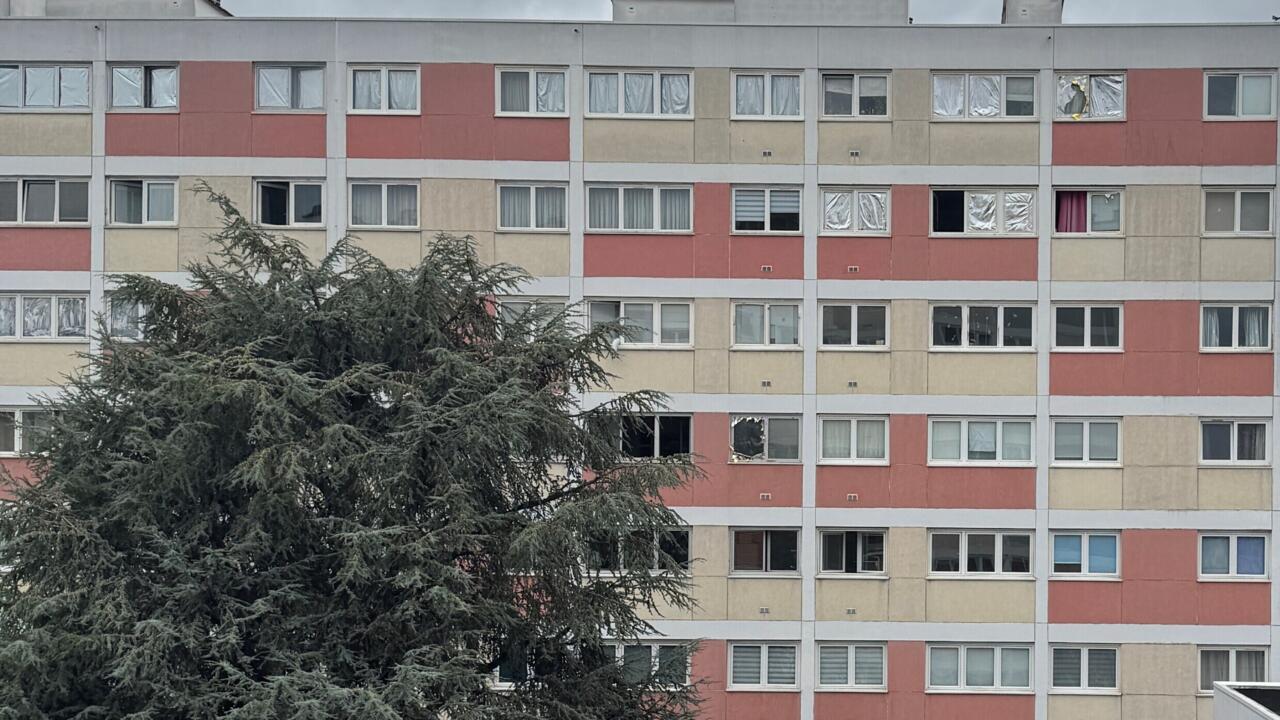
It was France's most severe heatwave on record: almost 8,000 excess deaths, some 120,000 hectares of scorched land, livestock and crops lost, birds falling silent in blackened forests. And for Juliette Decq, a climate consultant and mother of two, it was also the summer her home stopped feeling safe. The turning point, Decq says, came in late May, when the first heatwave kicked in – weeks before most people expected any extreme heat. By the end of the month, temperatures in the capital had hit a record 34C. She picked up her four-year-old son from school, and immediately knew something was wrong. "He wasn’t well, I could see it right away," she recalls. Then that night he began vomiting severely. "I was sure it was because he was suffering from heat stroke. And he's not the only kid in our school who suffered – the school wasn't prepared at all for the heatwave. They didn't even have fans in classes. It made me very angry." Decq is still angry. We're sitting in the flat just south of Paris where she spent much of the summer trying to keep her son and one-year-old daughter cool. The family apartment, one of hundreds in a modest nine-storey block in the Paris suburbs, has no shutters, no balcony, no air conditioning. "The realisation that my home could not stay my home because it wasn't safe anymore... that's quite shocking," Decq says. "A lot of people experienced that – that 'my home is becoming dangerous for me and my kids'." Listen to a conversation with Juliette Decq on the Spotlight on France podcast: Spotlight on France, episode 149 © RFI No culture of heat By June, temperatures in the capital and surrounding region pushed towards 40C. A climate adaptation consultant with 15 years of experience, Decq knew what to do – block out the light during the day and open windows at night. She wrote social media posts to share this basic knowledge with others, because many just didn't have it. Technical progress, she explains, allows us to live in buildings heated in winter and cooled in the summer. But it also means "we've lost this sense of temperature and what to do when it changes". She says: "There's no longer a culture around heat. We need to build it." Like many in urban areas, Decq began taping reflective survival blankets onto her windows to block out the sun. Together with neighbours, she helped others, especially elderly people living alone, to put them them up too. Decq's appartment in Montrouge, south of Paris, where she and other residents put thermal survival blankets on their windows to keep out the sun. Many, now ripped, remain as stark reminders of DIY coping strategies. © A.Hird/RFI The foil blankets became so sought after that shops ran out. "It was even becoming a luxury [item]," she says, remembering how staff at her son's school asked her, "desperately", if she had any spare. But as successive heatwaves continued, the blankets were no longer enough. "The hardest was the night," Decq says. "It wasn't cooling off at all. Even with the windows open, the temperature outside remained too hot." Eventually, she and her children packed up their things and moved into her parents' house nearby. She recognises she was lucky to have a more comfortable place to go, but describes feeling like a climate refugee in her own country. Even in a roomy house, the heat sometimes became unbearable. Desperate to find a cooler spot, she remembers taking her kids to nap in the underground car park. "It wasn't nice at all," she says. "It’s not clean, it's uncomfortable, it felt... degrading. It shouldn't be like that." Some schools covered windows with "blanc de Meudon", a type of chalk powder, to protect children from the heat. @ AFP - SEBASTIEN SALOM-GOMIS France's successive heatwaves show strain of living in urban 'heat islands' 'Left absolutely on our own' As someone with a career in climate adaptation, Decq says her expertise didn't soften the blow of this summer. It made her even more angry. "I've been working on this topic for 15 years," she says. "How can we be so unprepared?" She believes many people around her identified with a message emphasised by climate activist Greta Thunberg: "No one is coming to our rescue." "We were left behind by the government," Decq says. "Absolutely on our own." That sense of abandonment has contributed to a surge in eco-anxiety nationwide. Recent research from France’s Observatory for Eco-Anxiety (Obseca) found that climate worries had risen by around 20 percent over the last two years, across all age groups, with levels climbing markedly in July – just as the third and most punishing heatwave of the summer took hold. On 25 June, the day after France issued its largest red heat alert to date with average day and night temperatures reaching 30C, the government issued an online "manual" on how to cope with eco-anxiety. A girl points at a banner that reads, "35 degrees in classrooms, too hot. Work needed quickly", at a school in Paris on 18 June 2026. A total of 845 primary and secondary schools closed on 21 June in France due to the heatwave. @ AFP - SIMON WOHLFAHRT Decq insists anxiety is a normal reaction to a situation that is both unacceptable and avoidable. "People are not mad, they're not sick. They're just very aware of the situation," she says. "Fifteen years ago, when I did my first training sessions to raise awareness, I was telling people: 'If you're not frightened, it means you didn't understand what's at stake.'" Personally, she says she's less anxious about what's to come than the lack of political response. "We call it political anxiety – we’re more frightened that nobody is doing the right thing than we are of climate change itself." Millions in France report eco-anxiety after summer of heatwaves and wildfires How fury fuelled action Decq has funnelled her anger into action. Over the summer she and her neighbours gathered online, petitioned the local town hall, staged a small demonstration and wrote a guide to help schools cope with extreme heat. She’s also involved with the Demain 50C ("Tomorrow 50 degrees") group that works on climate adaptation initiatives – for example campaigning for basic measures such as fans and formal heat protocols in every school. Self-organisation has become easier, she says, thanks to the internet, social media groups and shared tools. "This is power, and we need to use it." Presidential elections are now seven months away, but the political urgency of this summer's heat appears to be fading as the weather cools. Strapped for cash, the French government in early September cut €40 million from a recently announced programme to adapt schools to heatwaves and climate change. A nationwide rally for climate and social justice is scheduled for 26 September. "The ecological transition is not going to happen hiding behind screens," Decq says. "It's going to happen because people go on the street." What does 50C feel like? Touring ‘heat chamber’ allows French people to find out Meanwhile the survival blankets are still on windows, torn and fraying. "It's like scars on the buildings," Decq says, pointing to the bits of tattered silver still fluttering on the opposite block of flats. "It’s a powerful symbol... that this was a violent experience. They're proof that something abnormal happened. "It's a symbol of the fact that if climate change isn't tackled, we're going to go into a phase of survival. This isn't life." This story first appeared on the Spotlight on France podcast, episode 149.
'My home wasn't safe anymore': lessons from France's hottest summer yet
Full Article
Original Source
Read the full article at Rfi →KhanList aggregates and links to publicly available news content. We do not host full articles from third-party sources. Always verify important information with original sources.