
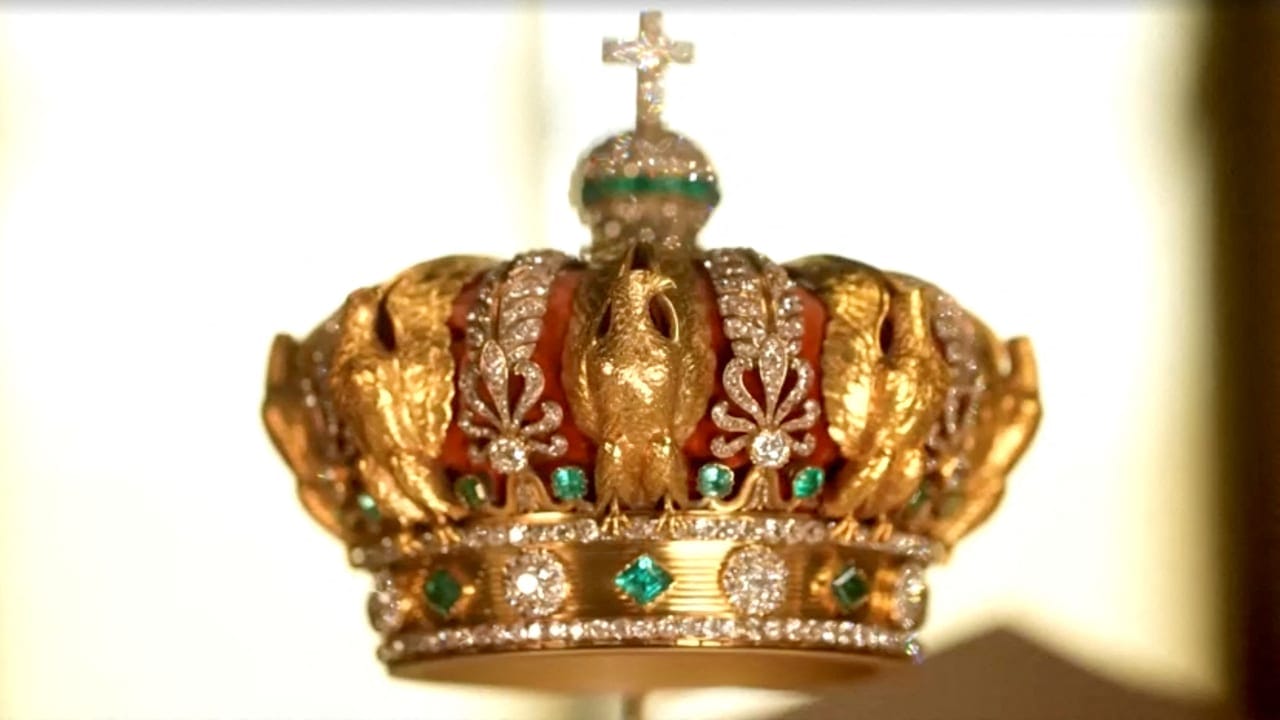
Jerusalem Post/World NewsOver the last two years, art thieves have shifted their attention to precious metals, jewels, and cultural artifacts that offer greater profits, the EU's law enforcement agency said in a report.Follow us on GoogleA crown worn by French Empress Eugenie, which was targeted by thieves during a heist at Paris' Louvre Museum on October 19, 2025 but was dropped during their escape, on display in this undated still frame from a video.(photo credit: Louvre Museum/Handout via REUTERS)ByREUTERSAUGUST 24, 2026 15:36Art thieves in Europe are committing more violent robberies focusing on gold and jewels, and specialist gangs have been replaced by ad-hoc opportunists recruited through social media, Europol said on Monday.The heist at the Louvre Museum in Paris in October last year was a prime example of these shifts, Europol said, as the thieves threatened guards and visitors and stole €88 million worth of jewels such as Empress Eugenie's tiara.Over the last two years, art thieves have shifted their attention to precious metals, jewels, and cultural artifacts that offer greater profits, the EU's law enforcement agency said in a report.The price of gold has surged 85% over the past two years, as investors and central banks turn to the metal as a safe haven. The London Bullion Market Association, which oversees London's over-the-counter gold trading hub, has warned that "as gold prices rise to historic levels, illicit flows and market distortions are also increasing."Traditional art theft gangs utilized niche expertise in heistsEuropol said: "offenders are breaching premises and display cases using tools such as sledgehammers, axes, crowbars and, in some instances, explosives."Police officers work near a crane believed to have been used in what the French Interior Ministry said was a robbery at the Louvre museum during which jewellery was stolen, in Paris, France, October 19, 2025 (credit: REUTERS/GONZALO FUENTES)Where traditional gangs used "deception and stealth" and had a central leader and niche expertise, recent thefts were carried out by a decentralized ad-hoc group of profit-seeking opportunists, recruited through social media on a "crime-as-a-service" basis, it said.Europol added that thieves were increasingly targeting gold items, from nuggets and coins to jewels."Precious metals can be easily melted down, leaving no trace for law enforcement, and facilitating illicit sales during the fencing process. Precious stones in jewelry, on the other hand, can be easily removed and sold further," the report said.In January last year, thieves used explosives to steal a 2,500-year-old Dacian golden helmet and three ancient gold bracelets from a museum in the Netherlands. The artifacts were later recovered and returned to Romania, although one bracelet is still missing.Europol also noted an increase in thefts of ancient Chinese porcelain artifacts such as Ming Dynasty vases due to high demand.Follow us on Google
Museum heists have turned more violent, with thieves hired on social media, Europol says
Full Article
Original Source
Read the full article at Jpost →KhanList aggregates and links to publicly available news content. We do not host full articles from third-party sources. Always verify important information with original sources.