
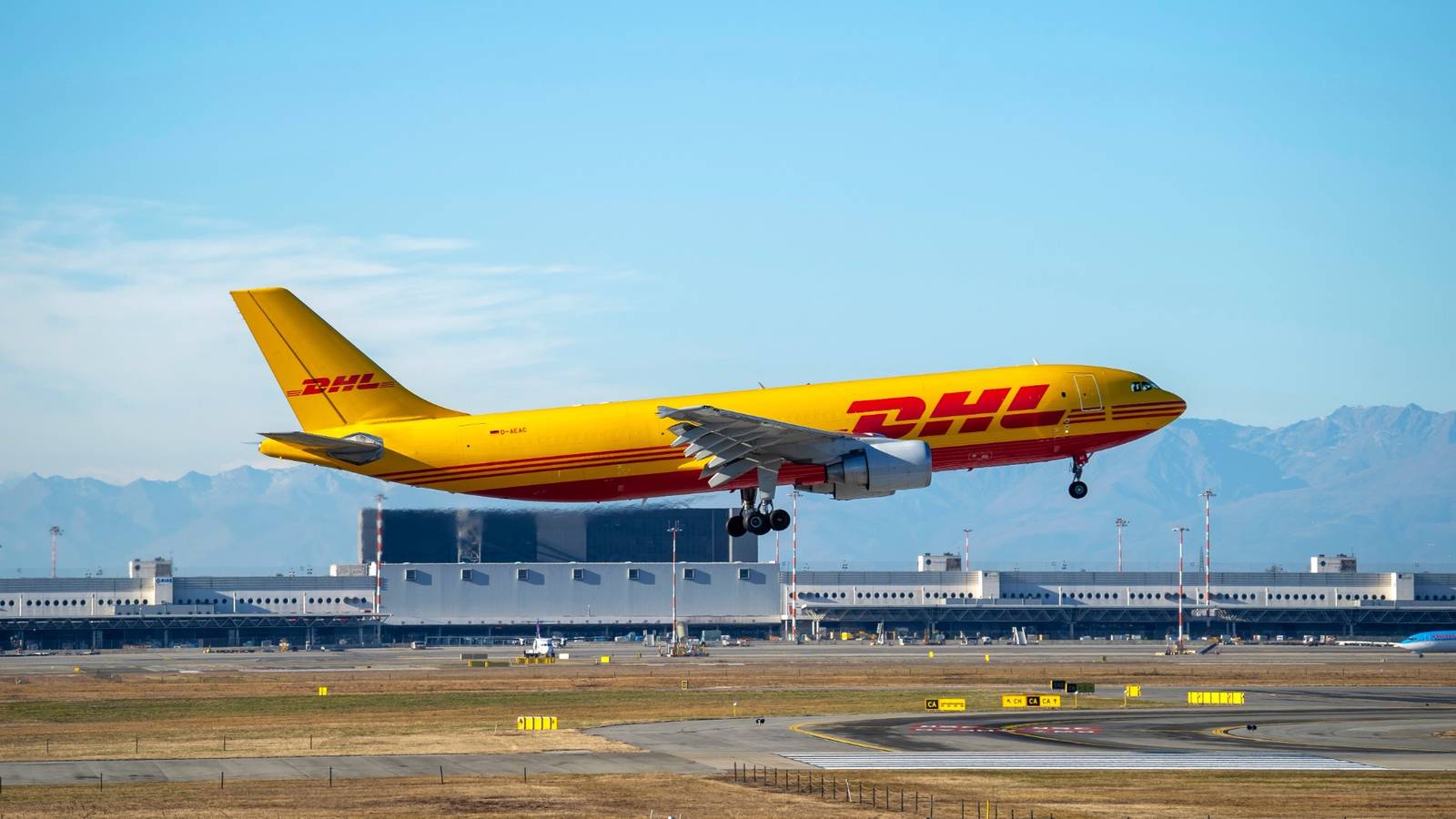
Published Nov 12, 2026, 8:09 AM EST A graduate in German, Jake has a passion for history and regional aviation, and enjoys sampling new carriers and aircraft. He has visited OEM facilities as far and wide as Bristol, Toulouse, and Seattle, and recently enjoyed the milestone of flying his 150th sector as a passenger. Based in Norfolk, UK. Just over a year ago, an Airbus A300-600F cargo aircraft operated by European Air Transport Leipzig as part of Deutsche Post's DHL-branded airfreight operations experienced a dramatic tail strike upon landing at London Heathrow Airport (LHR). The jet subsequently went around and landed at the second time of asking, but the damage had been done, and it only flew once more before being written off. Now, a bulletin issued by the Air Accidents Investigation Branch of the United Kingdom has explored the finer details of the incident, ultimately finding that muscle memory had resulted in reverse thrust being selected despite the decision to go around. While the aircraft was able to be repaired temporarily so that it could be flown into storage, the cost of fully bringing it back up to speed was just too high. D-AEAG's Dramatic Arrival As detailed by the AAIB bulletin, the incident occurred on October 12, 2025, with the A300 in question bearing the registration D-AEAG. According to Planespotters.net, this aircraft was 33 years old at the time, having first flown passengers in Japan in 1992. Its conversion to a cargo jet took place in 2011. Data from Flightradar24 shows that the flight in question was QY2212 from Leipzig Halle Airport (LEJ). The aircraft had two pilots on board, and was cleared to land at 5:12 PM local time (4:12 PM UTC), having left Leipzig around an hour and a half earlier. As seen in the video embedded above, the aircraft's first landing attempt was captured on a livestream, with the jet bouncing as it touched down. This prompted the pilot to initiate a go-around, but, as the jet climbed away, it suffered a tail strike. The AAIB explains: "The commander increased the aircraft’s pitch, which, combined with the continued extension of the ground spoilers and their associated pitch-up effect, resulted in a tailstrike." What The Report Reveals Credit: Abdul N Quraishi - Abs | Shutterstock Now, more than a year later, the AAIB's bulletin reveals the finer details that contributed to the tail strike and the subsequent aircraft write-off. The AAIB's findings show that muscle memory seemingly kicked in, with the pilot having selected reverse thrust. While this is a key component of a standard landing, they did so without conscious acknowledgement, meaning that their co-pilot was unable to correct them. As such, this complicated the go-around procedure, with the engines being slower to respond once the pilot opted to go-around and selected takeoff/go-around thrust. This resulted in a drop in speed, and, while the jet did eventually take off again, it took several seconds to do so, compounding the tail strike caused by the pitch-up effect that came about as a result of the aforementioned ground spoilers. The aircraft subsequently landed safely at the second time of asking, but the damage had been done, with the tail strike causing "damage to the lower tail section at frame 77." This, the AAIB says, "included buckling of the skin inwards at the frame, the rivets joining the skin to the frame having separated from the skin, and the tail skid having sustained abrasion damage." It ultimately proved too costly to repair. The Jet Last Flew In January Following its dramatic arrival in London, D-AEAG remained on the ground at Heathrow Airport for more than three months. While the resulting damage was too expensive to repair to the standard that would allow the jet to re-enter commercial service, it was patched up for one final flight, as seen above. This occurred on January 31, as D-AEAG flew from London to Lleida (ILD) for storage and scrapping. The nature of the temporary repairs meant that the aircraft could only cruise at an altitude of 10,000 feet. This is often the case for post-repair ferry flights where pressurization may be an issue. It took off from London at 8:53 AM and landed in Lleida at 12:14 PM on January 31, just over two hours later. This brought an early end to its flying career, which ended, as many do, at a Spanish aircraft storage facility.
Muscle Memory: Heathrow Tail Strike Wrote Off 33-Year-Old Airbus A300 After Aborted Landing
Full Article
Original Source
Read the full article at Simpleflying →KhanList aggregates and links to publicly available news content. We do not host full articles from third-party sources. Always verify important information with original sources.