
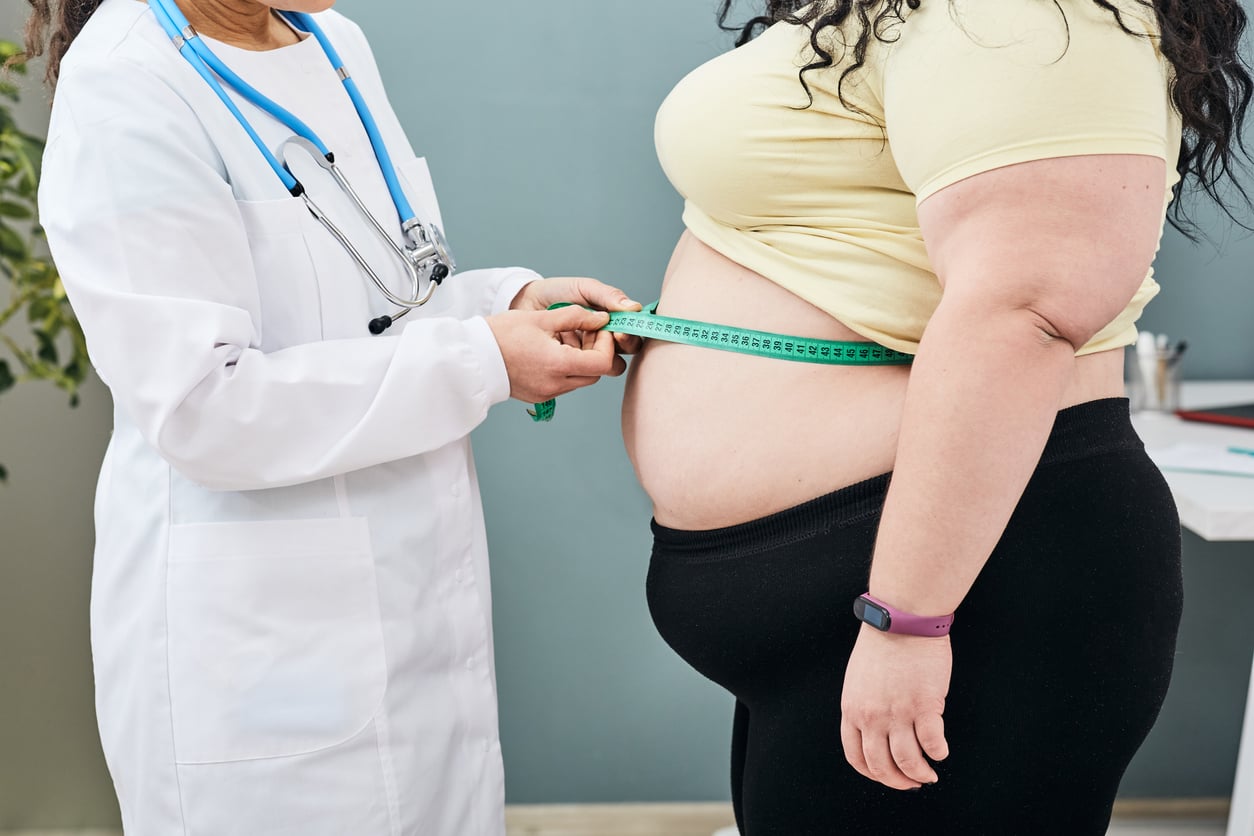
Health experts say your waist measurement may reveal more about your metabolic health than the bathroom scale. Here's how to measure yours in a minute and when to see a doctor. For decades, the bathroom scale has been the go-to gauge of whether we’re at a healthy weight. Health experts are now encouraging South Africans to look beyond the kilogrammes and pay closer attention to their waistlines, which may be a better indicator of metabolic health. Growing scientific evidence suggests that excess fat around the abdomen, often called visceral fat, is more strongly associated with insulin resistance, type 2 diabetes (T2D) and cardiovascular disease (CVD) than body weight alone. Waist circumference also provides information that body mass index (BMI) doesn’t and is increasingly recognised as an important “vital sign” in clinical practice. Unlike the fat stored just beneath the skin, visceral fat surrounds the internal organs and is metabolically active. It produces stress hormones, inflammatory molecules and fatty acids that may contribute to chronic disease. This also means someone can have a “normal” BMI and still carry excess abdominal fat, which puts them at increased cardiometabolic risk. A growing concern in SA The message is particularly relevant in South Africa, where the burden of metabolic disease continues to grow. An estimated 4.7 million South Africans are living with diabetes, the vast majority of them with type 2, while millions more are undiagnosed or at high risk. High obesity rates add to the risk, with approximately 31% of men and 68% of women classified as obese according to Human Sciences Research Council (HSRC) data from 2024. Waist circumference is, therefore, a quick, inexpensive screening tool that can help identify people at increased risk of metabolic syndrome Growing scientific evidence suggests that excess fat around the abdomen, often called visceral fat, is more strongly associated with insulin resistance, type 2 diabetes and cardiovascular disease than body weight alone. Picture: iStock This is a cluster of conditions, including elevated blood sugar, high cholesterol, high blood pressure and excess abdominal fat, that significantly raises the risk of T2D and CVD. The International Diabetes Federation (IDF) says men with a waist measurement of 94cm or more, and women with a waist measurement of 80cm or more, may be at increased risk of metabolic health problems. If your measurement is above these levels, speak to your healthcare provider about assessing your risk for conditions such as T2D and heart disease. Waist wise: The one-minute challenge These findings underpin Waist Wise, a Pharma Dynamics initiative that encourages South Africans to take a simple waist measurement once a month. “Many people are reassured when the number on the scale doesn’t change very much, but that’s not always the full story,” says Helena Westwood, associate director for consumer brands at Pharma Dynamics. “Where fat is stored can be just as important as how much we weigh. Measuring your waist is a quick, inexpensive habit that can help people identify potential metabolic risk earlier.” Westwood further says a waist measurement should be seen as another simple health check to do at home alongside monitoring your weight. “Prevention starts with awareness. If people begin noticing their waistline increasing over time, it gives them the opportunity to make lifestyle changes before more serious health problems develop.” Waist circumference is a quick, inexpensive screening tool that can help identify people at increased risk of metabolic syndrome. Picture: iStock How to do measure your waist: Stand upright and breathe out normally. Place a tape measure around your abdomen, midway between the bottom of your ribs and the top of your hip bones. Make sure the tape is snug, but not compressing the skin. Record your measurement each month and watch for upward trends. If your waist circumference is increasing or exceeds the recommended threshold, discuss your results with your healthcare provider. “A tape measure costs very little, takes less than a minute to use and can provide valuable insight into your metabolic health,” says Westwood. More than weight loss Reducing your waist circumference isn’t just about appearance. It reflects improvements in metabolic health. “People often think the goal is to lose weight, but the bigger goal is improving metabolic health. Even modest reductions in abdominal fat can improve insulin sensitivity and reduce the risk of developing chronic diseases.” Research shows that the following help to reduce abdominal fat and improve metabolic parameters: Regular physical activity A balanced eating pattern rich in vegetables, whole grains, legumes and lean protein Adequate sleep Stress management Limiting alcohol intake Avoiding smoking Westwood adds that anyone who notices their waist measurement steadily increasing, particularly if they have a family history of diabetes, high blood pressure or CVD, should speak to their healthcare provider.“Early screening can identify elevated blood glucose and other risk factors before symptoms appear, giving people a valuable opportunity to intervene early.” Where do supplements fit in? Lifestyle changes remain the cornerstone of preventing and managing metabolic disease. Under the guidance of a healthcare professional, some people may also consider evidence-based nutritional supplements as part of a broader management plan. Emerging research has looked at ingredients such as inositol, barberry-derived extracts (including those containing berberine) and banaba leaf extract for their potential role in supporting healthy glucose metabolism and insulin sensitivity. Banaba leaf (Lagerstroemia speciosa) is a tropical plant native to Southeast Asia, and its leaves are traditionally used to help lower blood sugar and support metabolic health. While the findings are encouraging in some studies, these ingredients should complement, not replace, a healthy diet, regular exercise and appropriate medical care.
More than umkhaba: SA waist sizes point to growing metabolic health concerns
Full Article
Original Source
Read the full article at Citizen →KhanList aggregates and links to publicly available news content. We do not host full articles from third-party sources. Always verify important information with original sources.