
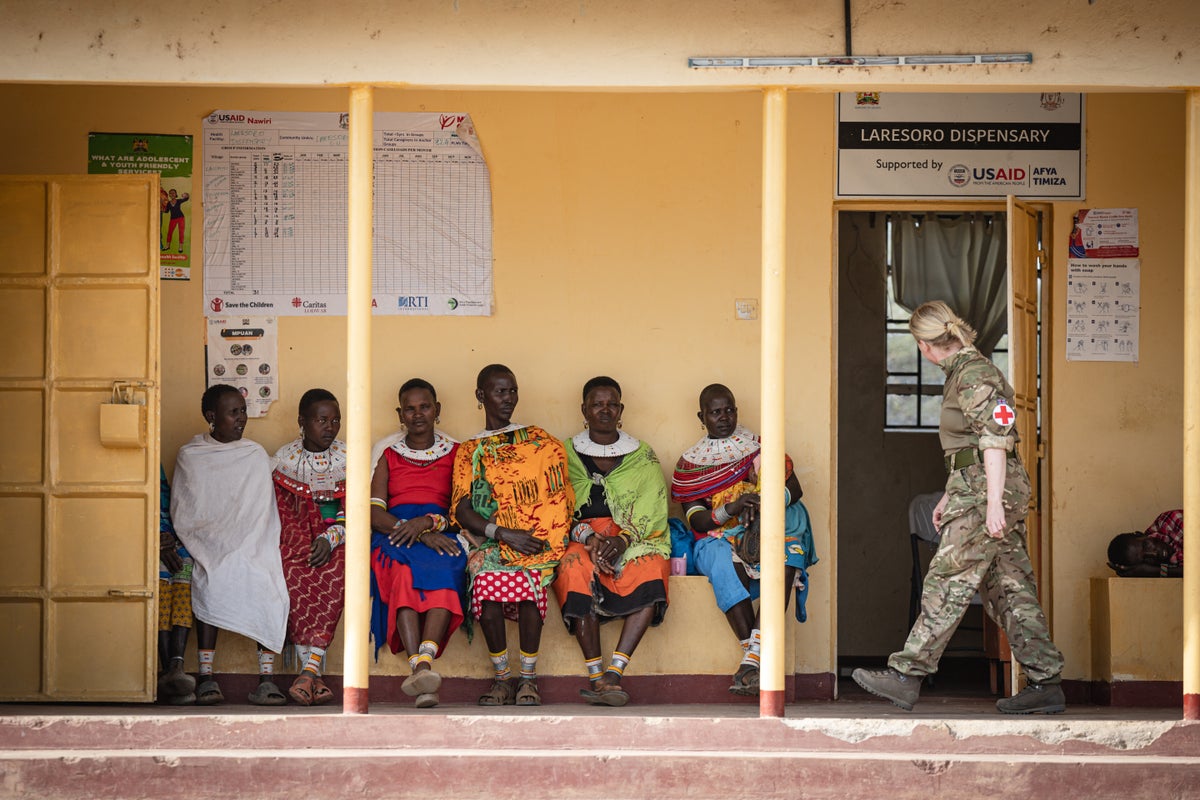
More than £540 million has been pledged for reproductive healthcare that could help prevent millions of unintended pregnancies and tens of thousands of maternal deaths, with almost half coming from the UK. Announced at the United Nations General Assembly in New York, the funding comes as cuts to international aid threaten access to contraception and lifesaving medicines in some of the world’s poorest countries.The UK package, worth £254 million, will provide contraceptives including condoms, pills, implants and coils to more than 15 million women a year across 54 countries by 2028.It will also expand access to medicines for mothers and newborn babies, including equipment designed to detect postpartum haemorrhage and treatments that can reduce severe bleeding by almost two thirds.About 70 per cent of maternal deaths occur in sub-Saharan Africa, according to the UK government, with most preventable through access to reproductive healthcare and medicines.“It is a scandal that women and girls are denied the fundamental right to make informed choices about their own body,” said Kirsty McNeill, the development minister. “The funding I have announced today will help give millions more women and girls across the world autonomy over their bodies, control over their futures, and the chance to fulfil their full potential,” she added. The wider funding package, of more than US$715m, was announced by governments and philanthropic partners at an event co-hosted by the United Nations Population Fund (UNFPA), FP2030 and the Gates Foundation.It is intended to help countries maintain access to basic reproductive healthcare as international support falls, while shifting more of the responsibility for financing services towards national health systems.An estimated 259 million women who want to avoid or delay pregnancy are not using modern contraception.For women living in conflict zones and humanitarian crises, the gap in care can be particularly acute. The UK programme will operate in more than 50 countries, including Afghanistan, Sudan and Yemen, where health systems face severe disruption.In an important step, low- and middle-income countries are also investing more of their own resources in reproductive health. Burundi, Madagascar, Mozambique and Zimbabwe announced more than $292 million in combined domestic commitments for health, including family planning and maternal healthcare.Diene Keita, executive director of UNFPA, said the pledges showed that investing in women and girls was “one of the smartest investments in development”.This article has been produced as part of The Independent’s Rethinking Global Aid project
More than £540m pledged for reproductive and maternal healthcare – with UK a key donor
Full Article
Original Source
Read the full article at Independent →KhanList aggregates and links to publicly available news content. We do not host full articles from third-party sources. Always verify important information with original sources.