
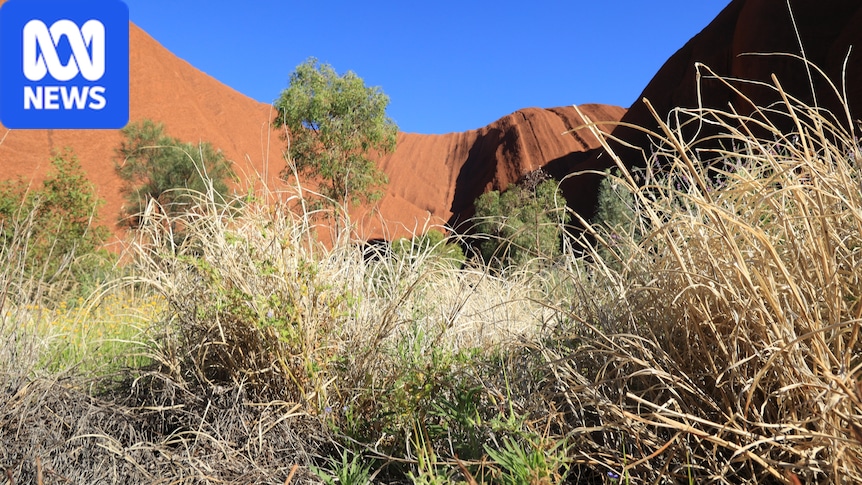
A fast-spreading invasive weed that can destroy animal habitats and choke native plants has been spared a listing as as weed of national significance after fierce debate between the cattle industry, Indigenous land managers and environmental groups. Stakeholders were alerted on Friday afternoon of the National Biosecurity Committee's (NBC) decision not to list buffel as a national weed priority, which prevents nationally coordinated efforts to control the weed. Romy Carey says the decision not to list buffel grass as a weed of national significance is a relief to pastoralists. (ABC News: Emma Masters)First introduced by Afghan cameleers, it was in the 1960s that buffel was intentionally spread to control soil erosion and feed cattle — it is now present across Australia. The fire-fuelling species is drought-resistant and was declared a weed in the Northern Territory in 2024. However, pastoralists say buffel plays an important role as a cattle feed and that a national weed listing could impact their industry. There are major efforts across Central Australia to control the spread of buffel. (ABC News: Ryan Liddle)In a statement on its website, the NBC said due to a divergence of stakeholder views on the handling of buffel, and actions already taken in some jurisdictions, "NBC has not reached national consensus for it to be included as part of the ... initiative". "Buffel grass presents a unique and complex case that required further consideration because it is a highly valued pasture grass (production asset) and causes harm (significant negative impacts) in some places, such as in conservation areas," the statement said.Cattle industry relievedChief executive of the Northern Territory Cattlemen's Association, Romy Carey, said the decision not to list buffel was "welcome news" and a win for the cattle industry. "This is a species of pasture that our cattle producers here in the territory and right across Australia rely on to feed our livestock," she said. "To have the threat looming over with the declaration of a weed is just something that we are glad is now over, and we're looking forward to moving on with this."Romy Carey is the head of the NT Cattlemen's Association. (ABC: News Dane Hirst )Ms Carey acknowledged buffel could be a risk to the environment but that the industry was "at the table and having those discussions". "We recognise that there is a need to control it and we support action being taken where it's needed," she said.She added that without the grass, the territory's cattle industry would not be what it is today. Call for federal inquiry The threat of buffel is a continuing concern of environmental groups and Indigenous land managers — who say they have seen the devastating impact of the grass firsthand. The Invasive Species Council's Taigen Ryan said the decision exposed a failure in Australia's biosecurity system that allowed vested interests to take precedence over the environment. Taigen Ryan says there must be a federal inquiry into the impact of buffel grass on the environment. (Supplied)Ms Ryan said the listing would have facilitated national coordination and would not have taken away its use from pastoralists."It spreads, it infests, it kills, it chokes out everything else around it," she said.However she was not surprised by the decision. "It's unsurprising because of the stakeholder interests that have been banging on about this situation all year long, and it is similar to going against someone like big pharma or big mining — it's big ag," she said. Buffel grass spreads fast and burns hot, but has been used to control soil erosion for decades. (ABC Landline: Cameron Lang)She called on the federal government to establish an inquiry into the country's inadequate response to the growing crisis. "Now we need our federal leaders to actually do something about this, not be concerned or benign, not be concerned about their next election cycle, but be concerned about the legacy that they are leaving for future generations," she said."[And] more importantly what they're leaving for country, because there is no more time for what is based on feelings." Her call has been echoed by the Arid Land Environment Centre and the Central Land Council (CLC). Garth Forrester says buffel grass is a threat to culture, health and infrastructure. (ABC News: Emma Masters)CLC Indigenous land manager Garth Forrester said without a coordinated national approach to managing the weed, resources meant for looking after people on their country would be used for weed control instead. "I do feel that the general public of Australia need to be informed on how this came about, how the decision was knocked back," he said. "Buffel grass, it ticked all the boxes [for being listed]. "Is this plant a threat on culture? Yes it is. Is this plant a threat to health? Yes, it is. And can this plant be a threat to infrastructure or people's homes? Oh, yes, it can."
Mixed emotions as buffel grass not named weed of national significance
Full Article
Original Source
Read the full article at Abc →KhanList aggregates and links to publicly available news content. We do not host full articles from third-party sources. Always verify important information with original sources.