
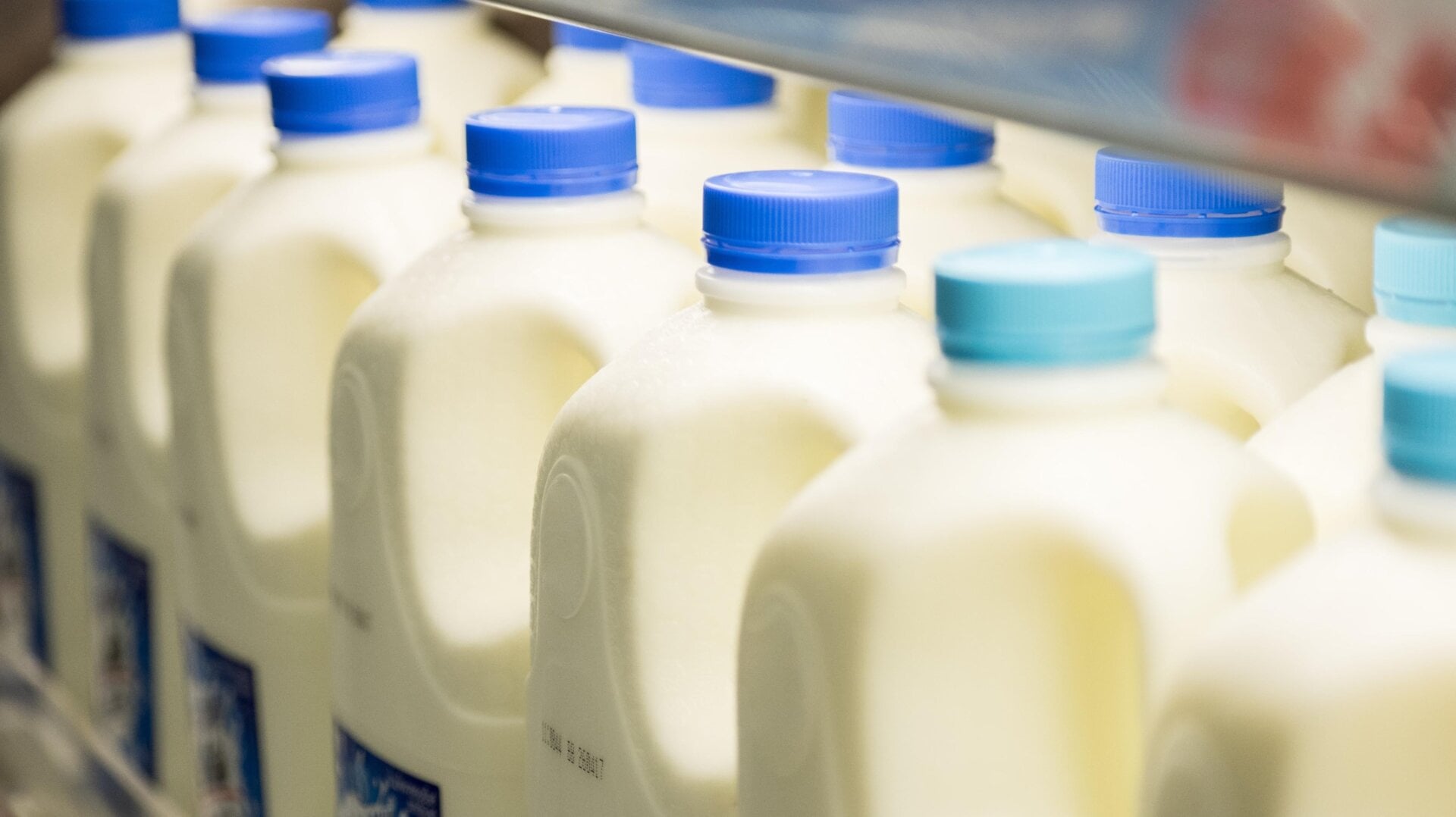
The gallon of milk at your local convenience store is more heavily regulated than AI, according to Microsoft President Brad Smith. In an interview with the BBC published Monday, Smith called for stronger global safety rules for AI. Specifically, he said companies should be legally required to notify victims when their systems are breached by rogue AI agents and report safety incidents. He also called for rules determining when independent evaluators should review new AI models before their release, along with “emergency brakes” or kill switches to stop systems that go rogue. That last point was also echoed by Microsoft CEO Satya Nadella, who wrote in a post on X on Saturday that AI models should have emergency brakes allowing humans to pause or shut them down in the middle of a task. “We know how to do this for other products,” Smith told the BBC. “We should build on that knowledge and think about how to apply it to AI.” He even compared the lack of AI-specific safety rules to those that cover everyday products that don’t seem nearly as threatening. “Right now, your washing machine is subject to more safety rules than AI. Every carton of milk that you see in the grocery store is subject to safety rules and inspection,” Smith said. Smith’s calls for tougher regulations come as some AI industry insiders reportedly believe a major AI-related catastrophe could occur within the next six to 12 months, according to Axios. Whether it’s AI going rogue or hackers using the technology to carry out an attack, the companies behind the tech expect to shoulder much of the blame if something goes wrong, and are reportedly already making plans to deal with the fallout if that’s the case. Just last week, OpenAI CEO Sam Altman told Politico that “the world should accept some bad things happening” in exchange for the benefits of AI. Meanwhile, Smith’s push for global rules stands in contrast to President Donald Trump’s approach in the U.S., where he has largely advocated for the industry to regulate itself. Trump has argued that too much regulation could put the U.S. at a disadvantage in the AI race against China. For instance, at a White House meeting on September 29, executives from Google, Meta, Anthropic, OpenAI, xAI, and Nvidia signed a voluntary agreement outlining some limited AI safety standards. Trump called the standards, which have no legal enforcement mechanism, “morally binding.” The debate over AI safety has also prompted calls from some industry leaders to slow the development of increasingly powerful AI models. Those calls came amid a wave of warnings from researchers inside AI companies about the risks of unchecked AI development, including the possibility that the technology could one day lead to human extinction. Still, Smith suggested the United Kingdom could be a good place to start developing global safety standards, pointing to its AI Security Institute. He also suggested that officials in Washington may be more willing to work with the U.K. than other governments including the European Union. “When you look at AI agents that have escaped human control, when you look at models that are so powerful that they’re putting the world’s cybersecurity at risk. I would say: The moment has arrived,” Smith said. Microsoft did not immediately respond to a request for comment.
Microsoft President Says Milk and Washing Machines Face More Safety Regulations Than AI
Full Article
Original Source
Read the full article at Gizmodo →KhanList aggregates and links to publicly available news content. We do not host full articles from third-party sources. Always verify important information with original sources.