
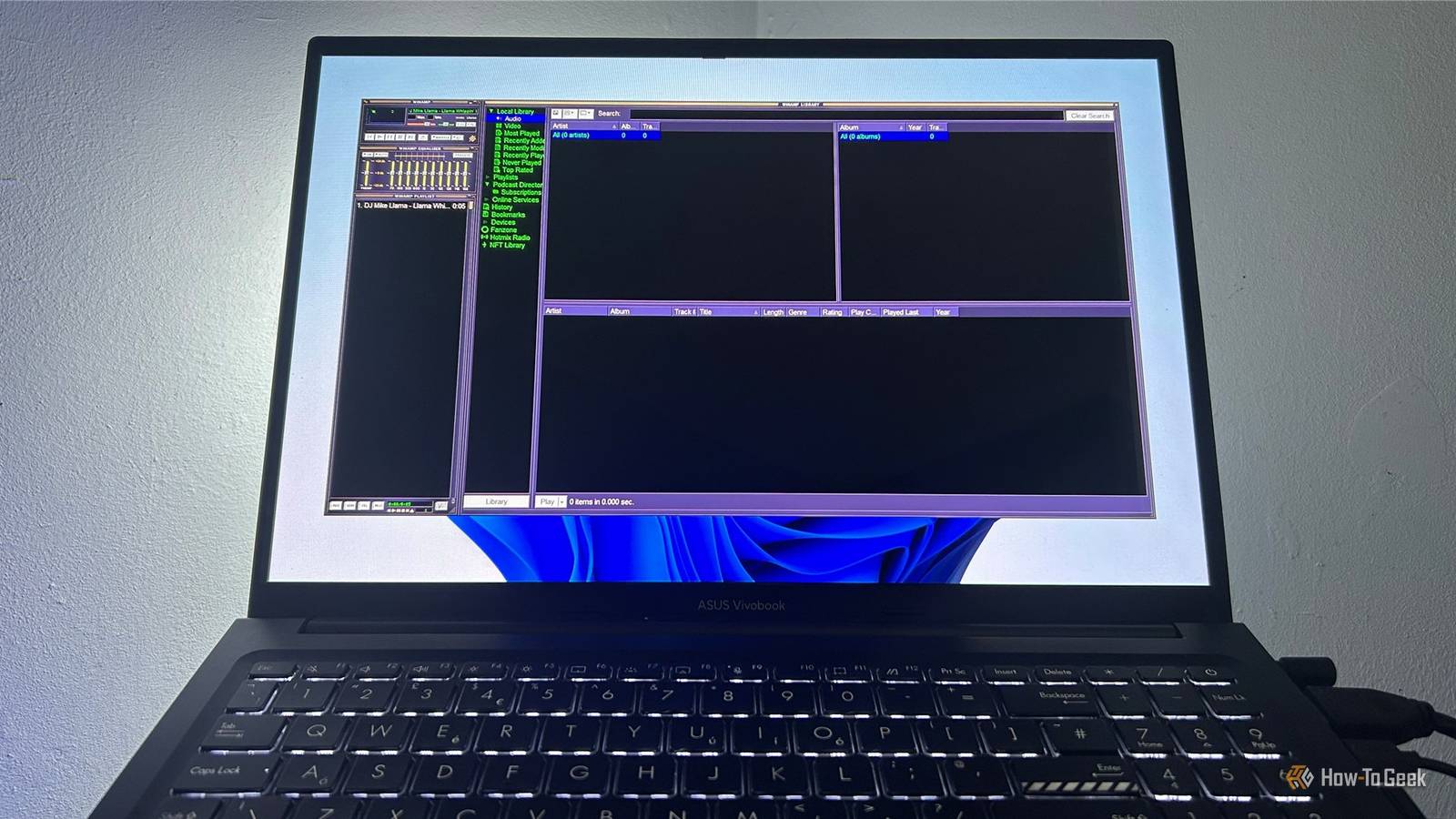
Published Oct 30, 2026, 7:00 AM EDT Tony Phillips is an experienced Microsoft Office user with a dual-honors degree in Linguistics and Hispanic Studies. Prior to starting with How-to Geek in January 2024, he worked as a document producer, data manager, and content creator for over ten years, and loves making spreadsheets and documents in his spare time. Tony is also an academic proofreader, experienced in reading, editing, and formatting over 3 million words of personal statements, resumes, reference letters, research proposals, and dissertations. Before joining How-To Geek, Tony formatted and wrote documents for legal firms, including contracts, Wills, and Powers of Attorney. Tony is obsessed with Microsoft Office! He will find any reason to create a spreadsheet, exploring ways to add complex formulas and discover new ways to make data tick. He also takes pride in producing Word documents that look the part. He has worked as a data manager in a secondary school in the UK and has years of experience in the classroom with Microsoft PowerPoint. He loves to encounter problems in Microsoft Office and use his expertise and legal-level training to find solutions. Outside of the Microsoft world, Tony is a keen dog owner and lover, football fan, astrophotographer, gardener, and golfer. Windows is Microsoft's operating system, but that doesn't mean Microsoft gets all the credit for shaping the PC experience. Over the years, independent developers created apps that changed how people browsed the web, listened to music, watched videos, played games, and even interacted with Windows itself. These five did more than add another program to your PC: they changed what Windows users came to expect from it. Mozilla Firefox Internet Explorer finally had a real rival When Mozilla Firefox 1.0 launched in 2004, Internet Explorer dominated browsing so much that, for many people, it practically was the web. That's what made Firefox so important: it challenged Microsoft's assumption that users would stick with its default browser. As Firefox gained users, market-share figures began showing Internet Explorer losing ground. Analyst Geoff Johnston described the trend at the time: "It is not a fast drop for Internet Explorer, but it might be considered a fast gain for Mozilla." Firefox 1.0 also gave users practical reasons to switch, including tabbed browsing, built-in pop-up blocking, and extensions that let them customize their browser. Firefox's success helped make browser competition feel normal again. Windows users had a credible alternative to Internet Explorer, and Microsoft's browser could no longer take its dominance for granted. By the mid-2000s, Internet Explorer was no longer competing only with itself. For Windows users, Firefox helped restore an important expectation: the browser that came with your PC didn't have to be the one you used. Winamp When your music player became a personality Before streaming apps took over, many people's music collections lived on their Windows PCs. For that era, Winamp became the player. Released in 1997 by Justin Frankel and Dmitry Boldyrev, it arrived at the perfect moment for the MP3 boom. Users built playlists, organized growing music libraries, experimented with visualizers, and covered the player in custom skins. Winamp's popularity inspired a culture of its own, and Microsoft took notice. In 2000, its Windows Media Player 7 Bonus Pack included a "Winamp Skin Importer" designed to convert what Microsoft described as the "thousands of existing Winamp skins" available at the time. That small detail says a lot. By the early 2000s, people expected their digital music players to reflect their tastes, and Winamp gave them endless ways to make that happen. It helped make customizing your software a normal part of PC life. Finally, a video player that just works Windows' built-in media player didn't support every video format out of the box. Some files needed extra codecs, and playing DVDs could require a separate decoder. Then along came VLC. Originally developed as part of a university networking project at École Centrale Paris, VLC evolved into a free player that came packed with support for an absurd number of formats, discs, subtitles, and streaming protocols. The project was open-sourced in 2001 and quickly spread beyond its academic roots. VLC became a go-to alternative when other media players struggled with a file. It earned its reputation by playing the files other players choked on. In 2021, the project reported more than 3.5 billion downloads and hundreds of millions of regular users worldwide. VLC helped establish a simple expectation: double-click a video, and it should just play. Steam From annoying update tool to gaming hub Steam is so deeply woven into PC gaming today that it's easy to forget how different its original purpose was from what it became. When Valve unveiled Steam in 2002, it presented it as a platform for software delivery, version control, authentication, and automatic updates rather than primarily as a game store. Valve even highlighted how Steam would eliminate "the hassles of dealing with patches and updates." Steam first gained traction through Counter-Strike and Valve's other games. But when Half-Life 2 launched in 2004, even players who bought the boxed game had to install Steam and authenticate online. For many, the service felt like an annoying extra step between them and a game they'd already purchased. Libraries, updates, community features, achievements, digital purchases, multiplayer infrastructure, and later cloud-based features all ended up under one roof. By 2008, Valve reported more than 15 million Steam accounts. Steam helped establish a new expectation for PC gaming: your library, purchases, updates, and community features could all live in one place. Classic Shell Windows 8 sent users looking for an escape Few utilities captured a moment in Windows history as perfectly as Classic Shell. Created by Ivo Beltchev in 2009, the software originally focused on restoring familiar interface features from older versions of Windows. Then Windows 8 arrived. Microsoft's redesign brought a Start screen, a bigger push toward touch devices, and a lot of changes to how you got around. Many users adapted. Others looked for alternatives, especially those who preferred the traditional mouse-and-keyboard desktop. Classic Shell became one of the most prominent responses. It offered familiar Start-menu layouts, Start-button customization, Explorer tweaks, and a desktop that felt more like earlier versions of Windows. Microsoft restored the Start button in Windows 8.1, then brought back the Start menu in Windows 10. We can't pin those changes on Classic Shell, but they did bring back a more familiar desktop experience. When announcing the end of development in 2017, Ivo Beltchev reflected on how the software had grown from "a simple weekend project" into "a hugely popular software brand with many millions of downloads." Classic Shell showed how much users wanted to bend Windows around their own habits, and not just when it came to the Start menu. Its legacy lives on in Open-Shell, a successor that continues to bring familiar Start-menu features to newer versions of Windows. The real legacy None of these apps were part of Windows, yet all of them became part of the Windows experience. Firefox made browser choice matter again, Winamp made software personalization mainstream, VLC made compatibility feel effortless, Steam helped give PC gaming a home base, and Classic Shell reminded users they could reshape Windows to suit their habits. Microsoft built the operating system, but these apps helped define what users expected from it.
Microsoft didn't build these 5 apps, but they changed Windows forever anyway
Full Article
Original Source
Read the full article at Howtogeek →KhanList aggregates and links to publicly available news content. We do not host full articles from third-party sources. Always verify important information with original sources.