
Published on 06/09/2026 - 16:41 GMT+2 Surface waters across the Mediterranean Sea reached an average temperature of 28.54ºC on 13 August, the highest recorded since at least 1940, Spain's State Meteorological Agency reported on Sunday. ADVERTISEMENT ADVERTISEMENT Aemet itself noted on social media that throughout almost the whole of August the sea was breaking daily temperature records, one after another, with barely any respite. The warning comes just weeks after Mercator Ocean International, which implements the Copernicus marine service, confirmed that July had already been the hottest month ever measured in the Mediterranean. The average that month was 27.07ºC, with a margin of uncertainty of ±0.27ºC, beating the previous maximum, set in July 2025 (26.68ºC), by four tenths of a degree. Mercator Ocean's comparison series begins in 1993, meaning that both bodies, despite using different methods and reference periods, concur in describing a sea that has entered a thermal regime not seen before. This pattern has been in place for months Data from late June were already pointing that way. Aemet (source in Spanish) warned at the time that Mediterranean temperatures had reached levels more typical of the second half of August, when the sea is usually at its warmest. At the start of the summer, temperatures rose to 2.6ºC above normal, to the point that the sea exceeded the average usually seen in mid-August while it was still June, an anomaly the agency itself described as exceptional. On a planetary scale, the phenomenon is not confined to the Mediterranean. July 2026 was the month with the highest global ocean surface temperature in the entire record, with an average of 21ºC between 60º north and 60º south. Across the Mediterranean basin, 27% of the sea experienced its warmest July since 1993 and around 70% of the surface ranked among the four hottest Julys ever measured, ruling out the idea that the record can be explained by just a few exceptional locations. It is important to stress that the sea-temperature record cannot be singled out as the direct cause of the high temperatures recorded on land, as many different factors come into play in the atmosphere. It can, however, alter conditions along the coast: water releases heat more slowly than the land surface, so a Mediterranean this warm makes it harder for temperatures to fall at night, increases humidity and leads to hotter nights near the shore. The build-up of energy in the sea also affects ecosystems. Prolonged marine heatwaves subject organisms adapted to specific thermal ranges to considerable stress and can alter species distribution, increase mortality and change the functioning of entire coastal communities. With the figure recorded on 13 August, the Mediterranean has once again surpassed the record it had set only a few weeks earlier, in a summer which, on land and at sea, keeps breaking its own records.
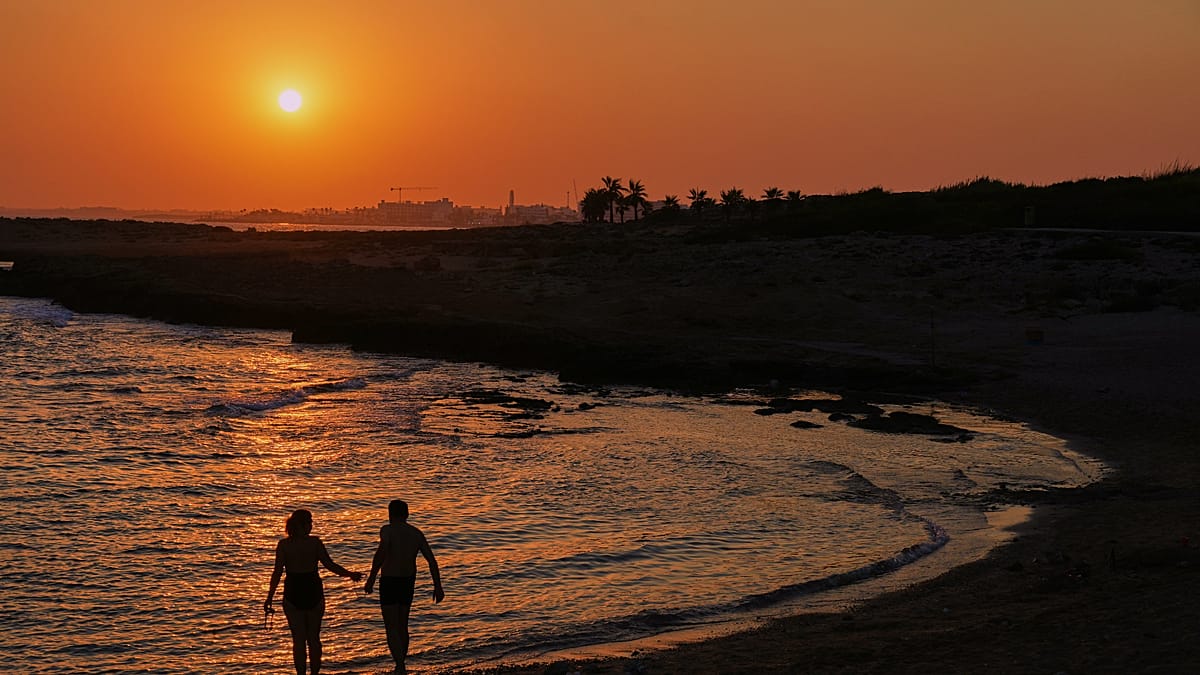
Mediterranean Sea now at spa temperature, daily average 28.54°C on 13 August
Full Article
Original Source
Read the full article at Euronews →KhanList aggregates and links to publicly available news content. We do not host full articles from third-party sources. Always verify important information with original sources.