
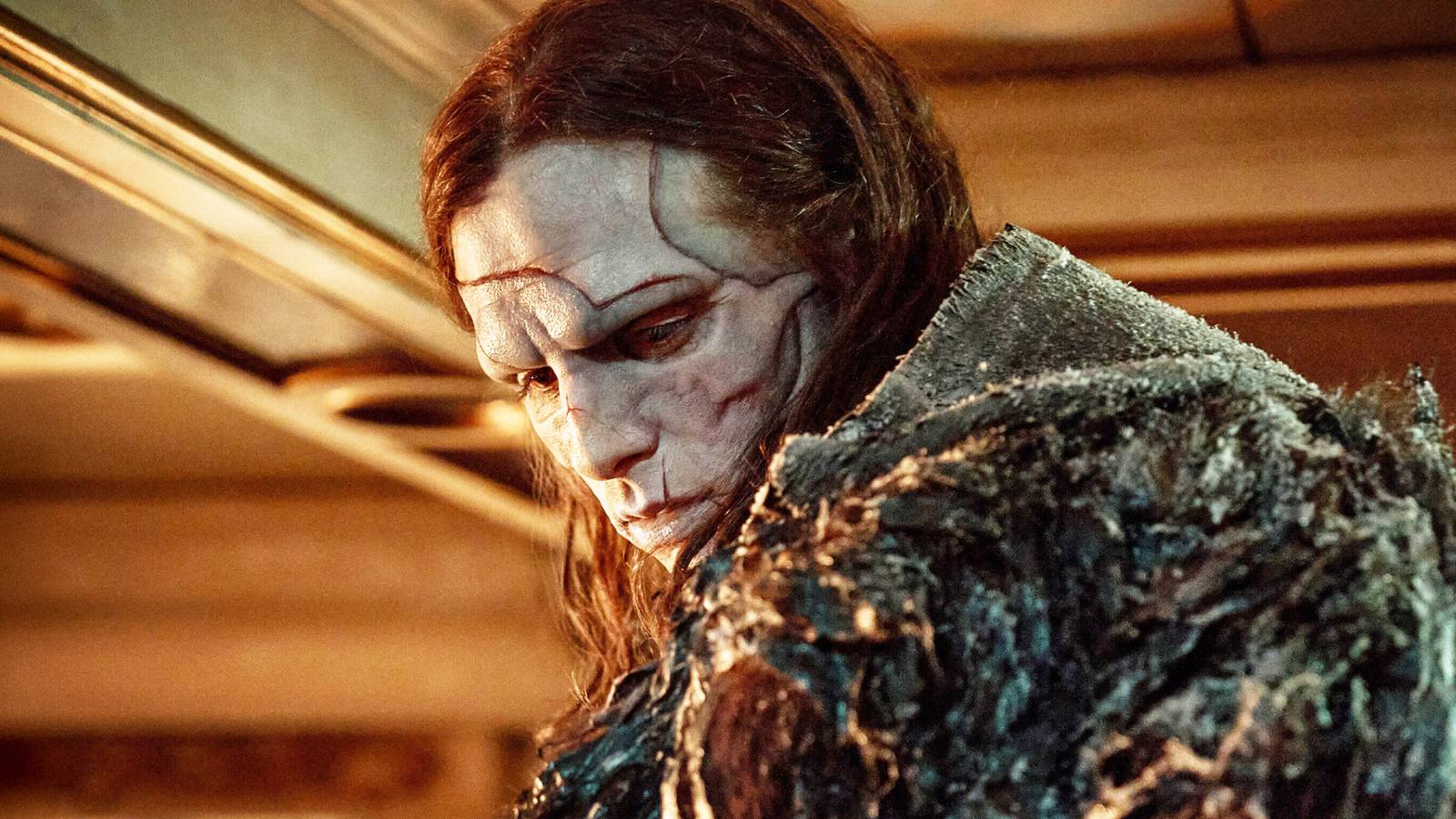
Published Nov 5, 2026, 2:34 PM EST Kelcie Mattson is a Senior Features author at Collider. Based in the Midwest, she also contributes Lists, reviews, and television recaps. A lifelong fan of niche sci-fi, high fantasy, Gothic horror, elaborate action, and witty detective fiction, becoming a pop culture devotee was inevitable once the Disney Renaissance, Turner Classic Movies, BBC period dramas, and her local library piqued her imagination. Rarely seen without a book in one hand and a cup of coffee in the other, Kelcie explores media history (especially older, foreign, and independent films) as much as possible. You'll also find her enjoying video games, amateur photography, geeking out over all music genres, admiring birds from her porch, trying to overcome her meager baking skills, and attending fan conventions with her Trekkie family. Frankenstein was formed from tragedy. An egregious excess of heartache followed author Mary Shelley throughout her life. The mother she never met, women's rights advocate Mary Wollstonecraft, passed away from childbirth complications. Shelley herself almost bled to death from a miscarriage, while three of her four children with her husband, Percy Bysshe Shelley, didn't survive past their early childhoods. Both her half-sister and Percy's first wife died by suicide within a few months of each other. Six years later, Shelley became a widow at 24 years old. Within this context, it's easy to see why society has spent two centuries connecting the dots between the Gothic masterpiece and its author's experiences. Frankenstein's thematic convictions allow for a wide range of interpretations: grief, discrimination, scandal, scientific hubris, the ethics of parenthood, irresponsible men who freely spread collateral damage, etc. That rich, resonant flexibility is a testament to the ways in which Shelley's fascinating text almost exists in a league of its own; after all, few classic novels have fundamentally reshaped the cultural landscape and kept reverberating to this day more than Frankenstein. Nearly every adaptation follows Shelley's lead by approaching Victor Frankenstein's doomed Monster with pathos — but, even 208 years later, no one has painted a more excruciatingly tragic portrait of the Creature than his real-life creator. 'Frankenstein's Original Monster Is Kind-Hearted and Philosophical Image via Penguin Random House The most famous Frankenstein imagery comes from Universal Studios' 1931 movie of the same name, directed by James Whale and starring Boris Karloff as the Creature. Karloff's timeless, soulful performance evokes compassion from audiences; even with his guttural growls, staggering gait, and unsettling strength, this is a sentient being who processes pain, fear, and anger like a guileless toddler would. The interpretation gets the job partially done, but couldn't be further from the novel. The broad emotional range and profound depth of Shelley's antagonist is both his gift and his curse. Victor Frankenstein, his inventor and essentially his father, immediately abandons him in a fit of horrified revulsion. The Creature begins his miserable life stumbling through the world like an eight-foot-tall newborn — terrified, helpless, and utterly alone. He discovers how to fend for himself, learning to eat fruit and vegetables (never animals) and teaching himself how to read and speak multiple languages. He's kind, helpful, curious, and courteous, articulating himself with a scholar's keen mind and a poet's eloquent heart, and carrying his manufactured body with athletic elegance. Worst of all, the Creature is aware. Unlike the Universal Monsters incarnation, he has the education and psychological capacity to understand humanity's unwavering patterns of abominable persecution. Inflicting violence against children or animals is unforgivable; they're innocent, defenseless, and incapable of comprehending why they've been attacked. Shelley's Creature knows firsthand, and by studying history and literature, why everyone greets the mere existence of his difference with horror, disgust, and targeted violence. He learns cruelty and hatred because the world instructs him in those ways — starting with his absent father's rejection. Victor doesn't even try to compassionately nurture his son. He can't even spare the Creature the dignity of a name, just variations on "it," "vile insect," and "abhorred devil." Faced with neither mercy nor reprieve, the Creature comes to loathe himself as much as the man who condemned him to eternal loneliness. The World's Cruelty Warps 'Frankenstein's Creature From an Innocent Child Into a Murderer The Creature's justified rage explains his murderous rampage without excusing it. If we take his words at face value, however, there's also no reason to believe he doesn't intend to keep his promise — that if Victor creates a loving companion, the pair will harmlessly retreat to their own private, peaceful sanctuary. He just wants someone to sit in the darkness with him and accept all he is rather than despise him. Of course, Victor denies the Creature even that fleeting flash of home once he tears the bride's unfinished body back into pieces. Yet even after their lengthy battle of mutually assured destruction, Victor's death shatters what little remains of his child's ruined heart. With his first, last, and only connection gone, he has no one and nothing — not even toxic revenge — left to live for. He resigns himself to hopelessness, vows to die by self-immolation, walks back out onto the arctic ice, and vanishes. Mary Shelley was intimately familiar with loss, oppression, infamy, anguish, and familial legacy. From her inspirations sprang one of fiction's most hauntingly tormented characters — a nameless young outcast who swiftly realized his fellow mortals will never love, respect, or value him. Karloff will always be a legend. The Frankenstein iconography that Hollywood popularized, however, can't compete with the 19th century teenaged woman who created the magnificent monster. Frankenstein Release Date November 21, 1931 Runtime 70 Minutes Director James Whale Writers John L. Balderston, Mary Shelley, Peggy Webling, Garrett Fort, Francis Edward Faragoh, Richard Schayer
Mary Shelley's Classic Book Is a Tragic Masterpiece That Hollywood Never Understood
Full Article
Original Source
Read the full article at Collider →KhanList aggregates and links to publicly available news content. We do not host full articles from third-party sources. Always verify important information with original sources.