
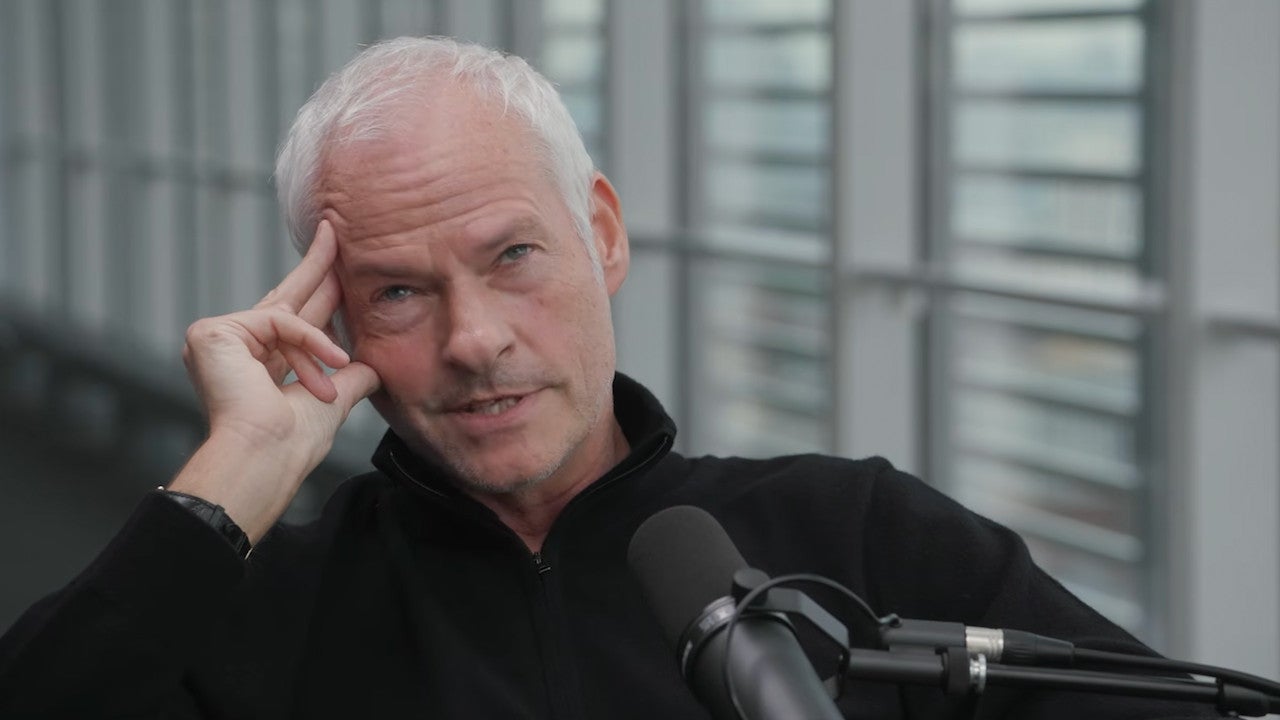
Marin McDonagh took a closer look at past use of racist language in his work while speaking with the New York Times on Saturday, saying that slurs like the N-word have been used “to be either outrageous or to be truthful” and that his “heart was in the right place” when he wrote such material.Sitting with the filmmaker and playwright for the Times’ “The Interview” podcast, co-host David Marchese asked McDonagh if past criticisms of his brash language have inspired him to change his approach to writing — and more pointedly, if he thought the barometer of acceptability with such language has changed with shifting expectations of political correctness. “I think it’s gotten worse, especially in the last 10 years,” McDonagh said of those expectations. “Only in the last 10 years have I been asked to change words in place from 25, 30 years ago because of offense taken by certain words that weren’t there 25 years ago. And my approach to it is that those words were there to be either outrageous or to be truthful. If you’re writing a, for instance, racist character, they’re going to use racist language. To try and cut those out 25 years later — for what reason? I’m never quite sure. “It feels not just problematic, but it feels like things are getting troublingly worse about that because I was never asked to do that back in the day. And I think if you don’t like that in a play, you should just not do the play. You shouldn’t try and change the play 25 years later.” McDonagh was then asked about specific criticisms of his 2010 play “A Behanding in Spokane” and 2017’s Searchlight feature “Three Billboards Outside Ebbing, Missouri,” which in the case of the former some have said portrays a Black character as a Stepin Fetchit type and in the latter a racist as a redeemable hero. McDonagh shared that he took The New Yorker’s Hilton Als’ criticism on “A Behanding” to heart. “I think after the play … I did have a look back on it and wondered about the amount of offensive words in it and did think seriously about it. You know, I felt my heart was in the right place when I wrote it — mostly about portraying the stupidity of a main guy who was racist in it,” McDonagh said. “But you definitely take it on board. You definitely — if you grew up completely anti-racist, and that’s part of what your attempt is, at heart, about, when that doesn’t go across to certain critics, you definitely have to think about it.” Pressed on how such feedback is taken into consideration down the line, McDonagh elucidated that he’s taken “a little more care” when navigating similar themes in other projects. “Just to, I think, question the language a little bit in the next one, or maybe just take a little more care about that subject, for instance — in regards to the play, less so about the film,” McDonagh said. Of the New York Times’ Wesley Morris’ criticism of “Three Billboards,” the filmmaker said, “I feel like the film was taken as a redemption to a character that I didn’t feel was true. And so, yeah, I don’t agree as much with that one.” McDonagh’s latest feature, “Wild Horse Nine” starring John Malkovich and “Three Billboards” Oscar winner Sam Rockwell, hits theaters Friday.
Martin McDonagh Reevaluates His Use of N-Word, Racist Language in Prior Works: ‘My Heart Was in the Right Place’
Full Article
Original Source
Read the full article at Thewrap →KhanList aggregates and links to publicly available news content. We do not host full articles from third-party sources. Always verify important information with original sources.