
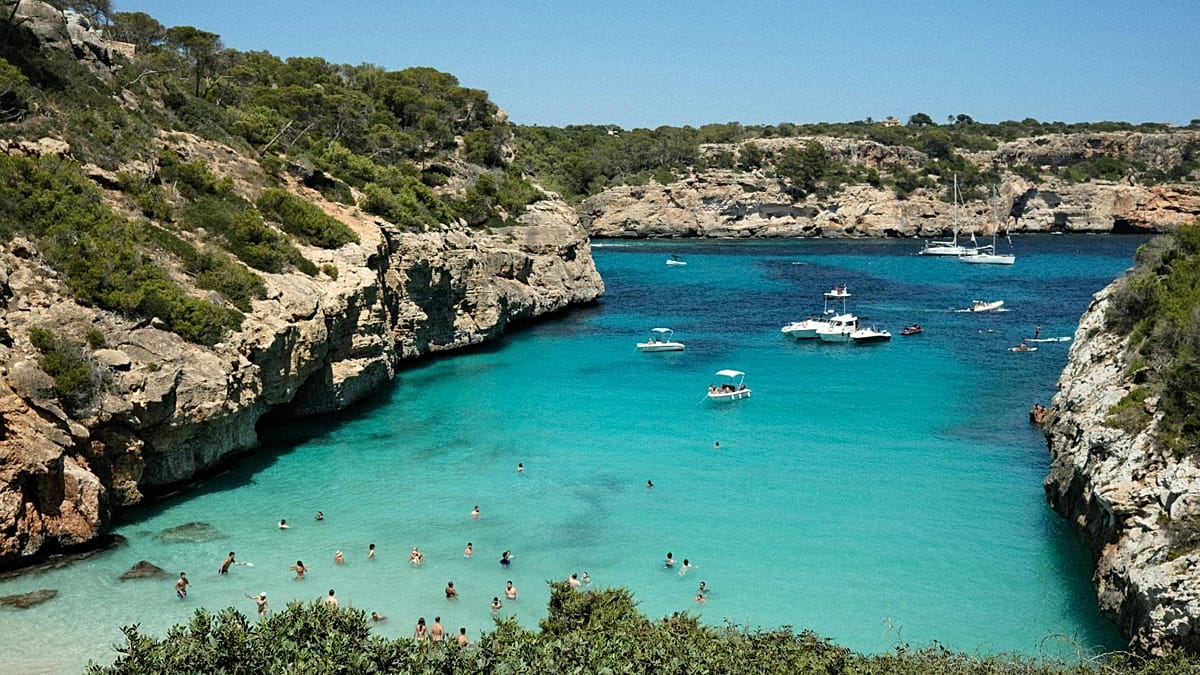
Planning a holiday to the Balearic Islands? Majorca, Menorca and Ibiza may be three of Spain’s best-known islands – and the largest of the group – but each offers a very different take on a Mediterranean getaway. ADVERTISEMENT ADVERTISEMENT All three have beautiful beaches with crystal-clear waters, plenty of sunshine, which lasts well into the autumn shoulder season, and lots to see and do. Despite these shared assets, your experience on each island can vary considerably. Majorca has the widest range of landscapes, from dramatic mountains and pretty villages to long sandy beaches and lively resorts. Menorca is more laid-back, with unspoilt coves, walking trails and a slower pace of life and hasn’t suffered from so much overtourism as its larger neighbour. Meanwhile, Ibiza is best known for its legendary nightlife but also has plenty to offer beyond the clubs, including rural landscapes, beaches and historic villages. So which Balearic Island is right for you? Whether you’re looking for an action-packed break, a relaxing beach holiday, a taste of local culture or somewhere to party until sunrise – and beyond – here’s what to expect from Majorca, Menorca and Ibiza. Majorca If you want plenty of choice, Majorca is difficult to beat. The largest of the three islands, it can feel like several different holiday destinations rolled into one. The coastline has everything from long sandy beaches backed by resorts to small coves surrounded by pine trees. Cala Mondragó, Cala Varques and Formentor are among the better-known spots, while the north-western coast becomes increasingly dramatic around the Serra de Tramuntana mountain range. The UNESCO-listed range is dotted with stone villages, olive groves and hiking and cycling routes. Deià and Valldemossa are some of the prettiest villages in all of Spain, while the town of Sóller is home to a historic tram which ferries passengers to the port. No trip to Majorca is complete without a visit to Palma, the capital. It adds a city-break element to a beach holiday, with its Gothic cathedral, historic old town, restaurants and nightlife. Palma is perhaps what makes this island the best year-round destination of the three main Balearics, as its cultural offerings, including Fundació Miró Mallorca, where Joan Miró lived and worked, can be explored even in the winter. If you’re lucky, the winter might still be sunbathing weather – I got burned here in November! Majorca also has the widest choice of accommodation, from large family resorts to rural fincas and boutique hotels, which means it’s a great destination for everyone from young families to party-loving youngsters. For families, there are plenty of beaches and activities, while the mountains make the island particularly appealing to hikers and serious cyclists. At night, the choice ranges from the lively spots of infamous Magaluf to cocktail bars and restaurants in Palma. Food is another strength, with traditional Mallorcan specialities combined with an increasingly varied restaurant scene. Be sure to try tumbet, a slow-cooked, baked vegetable stew made with layers of potato, aubergine, red pepper, and tomato sauce and arròs brut – or dirty rice – which is a hearty rice stew mixed with meats and seasonal vegetables. Majorca is best for: A bit of everything – beaches, mountains, culture, food, nightlife and plenty of choice Menorca Menorca has a noticeably slower pace than Majorca to its west, and its appeal lies largely in its beaches, natural landscapes and traditional towns rather than big resorts and nightlife. There are more than 200 kilometres of coastline here, with dozens of beaches and coves ranging from broad sandy stretches to tiny calas hidden between cliffs and woodland, many of which remain relatively undeveloped. The island has also been a UNESCO Biosphere Reserve since 1993, awarded to celebrate its unique balance of human activity, traditional rural life, and rich natural heritage. For active types, the Camí de Cavalls is a real highlight. This historic coastal path circles the island, offering opportunities to walk between beaches, viewpoints and rural landscapes. There are also plenty of opportunities for cycling, kayaking and sailing, too. Ciutadella and Mahón, Menorca’s two main towns at opposite ends of the island, are both worth exploring for their historic streets, churches, buzzy squares and countless restaurants. The island also has an important prehistoric heritage and, in fact, it’s effectively an open-air museum with more than 1,500 prehistoric sites – one of the highest densities of ancient monuments worldwide. Food is focused on fresh ingredients from the land and sea. Local Mahón-Menorca cheese is a must-try, and Caldereta de Langosta is a popular local stew, originating in the fishing village of Fornells. Nightlife does exist on Menorca, but it’s not really the place to come if staying out until sunrise is a priority. Evenings tend to revolve around dinner, drinks and wandering through old towns. Menorca is best for: A slower pace of life, with beautiful coves, outdoor activities and natural beauty. Ibiza Think of Ibiza, and nightlife is likely to be the first thing that comes to mind. The island has long been one of Europe's most famous clubbing destinations, with huge venues and internationally known DJs, like David Guetta and Calvin Harris, attracting visitors to venues including Pacha and Amnesia throughout the summer. That, though, is only one side of Ibiza. I visited in October when the weather is still warm, but the clubs have shuttered for the season. It’s an ideal time to explore the island’s pine-covered hills, rural villages, traditional farmhouses and rugged coastline. On Ibiza, the beaches range from busy stretches with seasonal beach clubs to small coves where the main attraction is simply the perfectly clear water. Cala Saladeta is a particular favourite on the west coast, with swathes of fine white sand and crystal-clear turquoise waters. For a day trip from Ibiza, the smaller island of Formentera is a dream. Taking just 30 minutes on a ferry, it’s home to turquoise waters and long stretches of beaches flanked by dunes and pine trees. Hire a bicycle to see more of this spot, the smallest of all the Balearics. Ibiza itself is also particularly good for sunsets you won’t forget in a hurry. The western coast faces out towards the Mediterranean, with plenty of places to watch the sun disappear over the sea. Café Mambo in San Antonio is iconic for a reason. Perhaps surprisingly for those unfamiliar, there’s lots of culture to explore in Ibiza. The old quarter of Ibiza Town, Dalt Vila, sits within historic fortifications and forms part of the island’s UNESCO World Heritage listing. Elsewhere, there are archaeological sites, including the Phoenician settlement at Sa Caleta and the Puig des Molins necropolis. For families, locales including Santa Eulària offer a more relaxed atmosphere than the main clubbing areas, while the island’s north is well-known for its bohemian vibe, which boasts relaxed hotels and villas as well as “hippie” markets. When it comes to food, don’t miss bullit de peix, a stew made with rockfish and potatoes boiled in a saffron and garlic broth, or ensalada payesa, a salad filled with boiled red potatoes, tomatoes, green peppers, and onions. Ibiza is best for: A legendary party scene, but plenty of culture if you know where to look.
Majorca vs Menorca vs Ibiza: Which of Spain’s Balearic Islands should you visit?
Full Article
Original Source
Read the full article at Euronews →KhanList aggregates and links to publicly available news content. We do not host full articles from third-party sources. Always verify important information with original sources.