
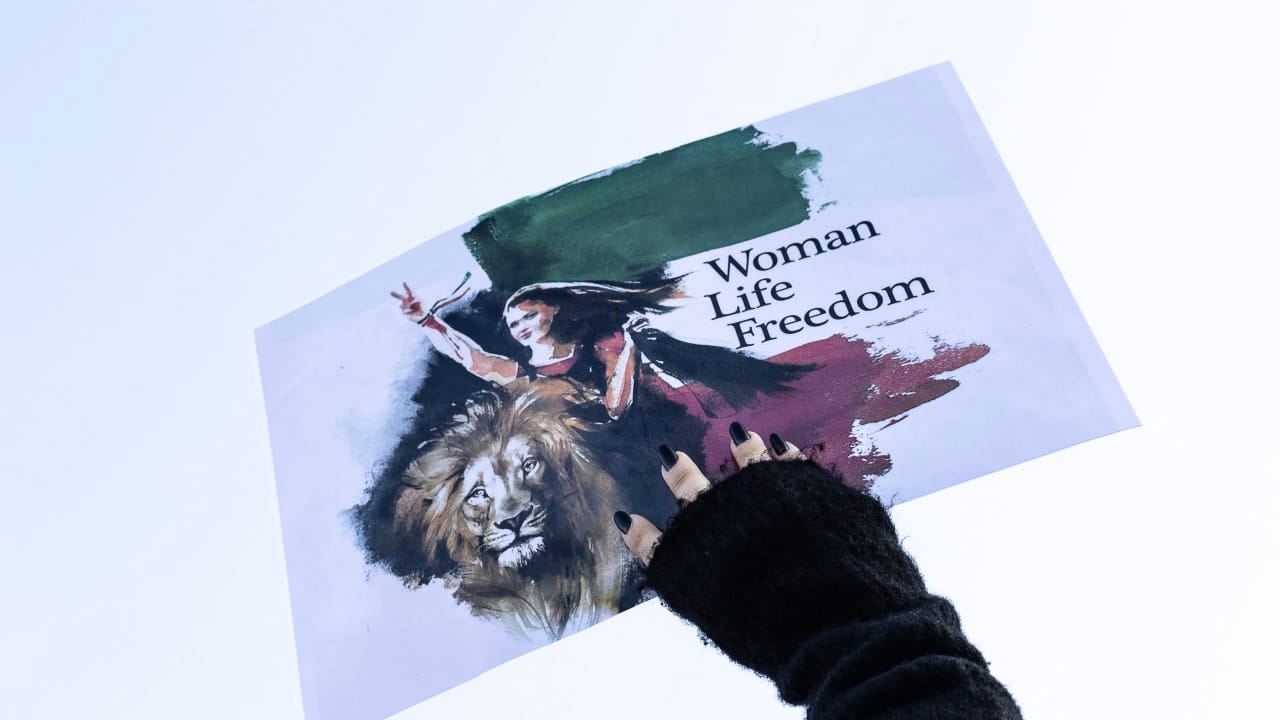
SEPTEMBER 17, 2026 05:59Four years ago yesterday, Mahsa Jina Amini died in a Tehran hospital after being detained by Iran’s morality police for allegedly wearing her hijab improperly. She was only 22 years old.On Wednesday, the anniversary of her death was marked across parts of Iran by a general strike. Videos from the country’s Kurdish regions showed rows of shuttered shops in Saqqez, Amini’s hometown, as well as Sanandaj, Kamyaran and other cities. Security forces and riot police were deployed, while routes toward Aichi Cemetery, where Amini is buried, were reportedly blocked.Four Kurdish political prisoners also announced a hunger strike to mark the anniversary, while rights groups reported arrests in the days preceding it.That the authorities continue to take such precautions four years after the death of a young woman from Kurdistan illustrates how potent her name remains in Iran.Amini’s death on September 16, 2022, sparked demonstrations across the country and gave the world the slogan “Woman, Life, Freedom.” Women removed and burned their headscarves, and protesters filled streets from Tehran to the Kurdish West.A woman holds a photo of Jina Mahsa Amini, who died in custody after being detained by Iran's morality police, as she stands among other demonstrators in Diyarbakir, Turkey, on November 25, 2025. (credit: Bilal Seckin / Middle East Images / AFP via Getty Images)Demonstrations in Iran brutally crushedThe demonstrations were eventually crushed. Hundreds were killed, thousands were arrested, and several protesters were subsequently executed. The regime survived the uprising, although Iranian society did not emerge unchanged.The difference is perhaps most visible among women. Four years later, women can regularly be seen in parts of Tehran and other major cities walking through shopping centers, sitting in cafes, and using public transportation without the mandatory hijab.The authorities have continued trying to enforce compulsory veiling through arrests, prosecutions, surveillance cameras, warning messages, vehicle seizures, and pressure on businesses. The law remains, although the sight of women openly disregarding it has become considerably more commonplace than it was before Amini’s death.There is a danger, however, in allowing the hijab to become the sole measure of the movement she inspired.“In my view, one reason the name of Jina Amini and the Woman, Life, Freedom revolution has endured is that this revolution should not be reduced to the issue of the hijab,” Yasser Fattahi told The Jerusalem Post.Fattahi’s family experienced the violence that accompanied those first demonstrations firsthand. His father was killed while trying to save a young woman who had been shot following Amini’s funeral.“Women’s problems are not limited to the hijab,” Fattahi said. “Freedom does not simply mean having the freedom to choose whether or not to wear a hijab. This is the most basic of women’s rights.”His words are especially poignant when looking at Iran four years later. Women continue to face extensive discrimination, political prisoners remain behind bars, and executions continue at an alarming rate.Renewed nationwide protests leave 40,000 reportedly deadEarlier this year, another wave of nationwide protests was met with lethal force and mass arrests, which left at least 40,000 reported dead. Economic hardship, political repression, and demands for greater personal freedom remain familiar features of Iranian life.There is also now a generation of young Iranians whose formative years have been shaped by everything that followed Amini’s death. A girl who was 14 in September 2022 is 18 today. She has spent her adolescence watching women challenge compulsory veiling, schoolchildren confront authorities, protesters face execution, and successive periods of unrest shake the country.The huge demonstrations of autumn 2022 are gone from Iran’s streets, and the Islamic Republic has repeatedly demonstrated that it possesses both the means and the willingness to suppress organized opposition. Four years later, however, the grievances that drove Iranians onto those streets remain readily apparent.Wednesday offered another small indication of that. In Saqqez and elsewhere, shopkeepers were prepared to close their businesses to commemorate a woman whose death the authorities would undoubtedly prefer to consign to history.Mahsa Amini never saw the movement that grew from the outrage over her death or the millions of people around the world who came to know her name. The Iran of September 2026 remains repressive, and many of the freedoms demanded by those who marched in 2022 remain unrealized.The shuttered shops in her hometown on Wednesday showed that four years after her death, Mahsa Amini remains a powerful symbol of the freedoms many Iranians are still demanding.Follow us on Google
Mahsa Amini's legacy, four years after her murder by Iran's morality police - editorial
Full Article
Original Source
Read the full article at Jpost →KhanList aggregates and links to publicly available news content. We do not host full articles from third-party sources. Always verify important information with original sources.