
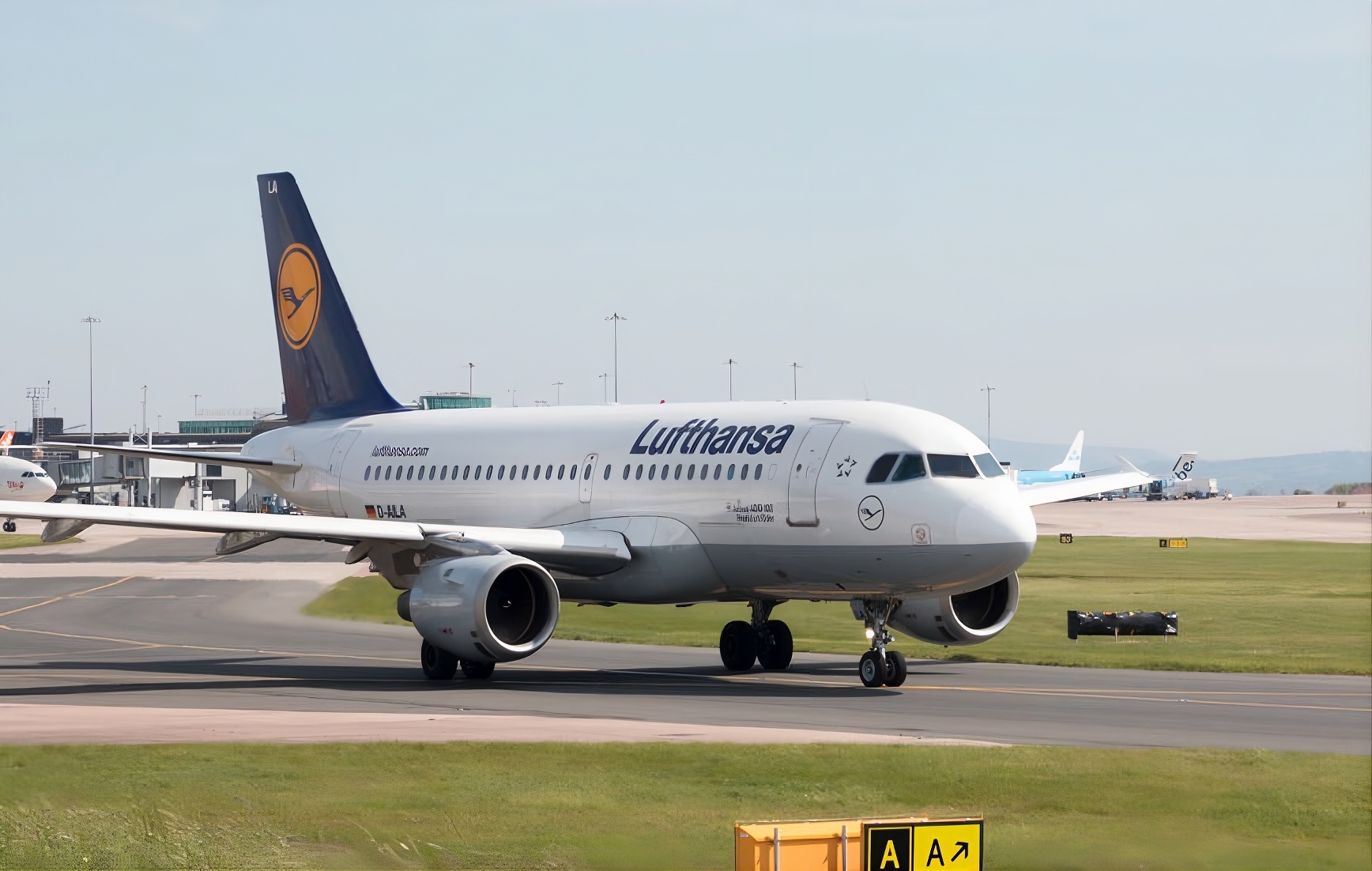
Lufthansa told a passenger chasing an already-approved payment that its answer wasn’t going to “magically change” just because he asked on Twitter. The airline’s reply gave people a new reason to hate on Lufthansa. Some airlines still don’t understand how to use social media. On September 22, a customer accused Lufthansa of ignoring his messages and emails. He said a payment had been approved months earlier, demanded that his case be processed immediately, and accused the airline of acting unlawfully. Here’s how Lufthansa answered in the most German way possible. We’ve already responded to you numerous times via DM on different social media platforms. The response isn’t going to magically change just because you’re asking the same question on X now. /Flo — Lufthansa (@lufthansa) September 22, 2026 The customer came back with a fairly obvious distinction: he wanted the money, not another response. I don’t need a magic response, Flo — I need Lufthansa to pay the money you APPROVED . Your DM responses haven’t changed because you refuse to resolve. Stop arguing on social media and tell Customer Relations to process our payout! — baku man (@AQululu66418) September 22, 2026 ‘No Carsten Spohr, I’d like to phone a friend.’ The underlying dispute is beside the point. Lufthansa answered the accusation that it hadn’t responded, not its failure to pay. Their tone came under attack but some defended the airline because customers can be unreasonable. And sometimes a ‘final answer’ is a way to end an abusive exchange. If a claim has been denied, it can say that the decision and explanation have been sent privately. If a payment was approved, someone should find out why it hasn’t arrived. But outside of abuse – which isn’t evident on the public stage – Lufthansa’s response is still bad. But not surprising. Because it’s Lufthansa. American Still Helps. Ryanair Gets Laughs. Southwest Went Dark. I still get great service from the American Airlines Twitter team. They aren’t as fun as they were years ago, when they’d play along with the fake Jeff Smisek account during a United computer meltdown. Back in 2015, they arranged a golf cart to get me across Dallas Fort Worth airport when a connection shrank to 17 minutes. That got me home in time for an appointment to fix my internet. The next year, when a paper upgrade certificate was preventing me from checking in, they swapped the upgrade instrument, reissued my ticket, and coordinated with airport staff so I could make my flight. They would do those things for anyone, or at least any Executive Platinum customer, because they could. They could work on the reservation and reach someone at the airport. And written help is especially useful when you’re already on a plane, watching your connection disappear, and can’t make a phone call. United also belongs on the list of airlines I’ve credited with useful Twitter service. Southwest used to combine help with humor. In my July 4 post about their retreat from Twitter customer service, I noted that I hadn’t seen a public reply since June 18. It was a striking change for an airline that once staffed social care around the clock and used its personality to make customers feel good about flying them. Delta has been largely absent from the public customer service conversations, too. Yet they retain a strong reputation even as their product has declined. Most customers aren’t judging airlines by their Twitter replies. Their own flights, years of experience, schedules and status benefits count for much more. Air France and KLM withdrew personal Twitter support in 2023 because Elon Musk Bad. KLM advertises Messenger and WhatsApp customer service. Ryanair insults their customers underscoring that you bought a cheap ticket, you knew the rules, and people demanding more are being ridiculous. It’s entertaining and reinforces their brand. She’s regretting marrying someone who can’t read the fine print — Ryanair (@Ryanair) May 3, 2023 Good Service Can Generate More Complaints Social media can save an airline money. Written exchanges let an agent work on another case while a customer finds a receipt or checks an itinerary. Fixing a ticket can eliminate a subsequent phone call and another person in the airport customer service line. A useful public answer can address the same question for other passengers. And it’s performative and brand-building. It does ad cost and work. And it creates bad incentives. A study in Marketing Science found that service interventions improved customer relationships while also encouraging more complaints later. Customers learned that complaining could get them help. The authors also found that judging the intervention only by subsequent public comments could understate its benefits. More complaints can mean people have learned that this is a useful place to get service. Fewer complaints can mean they’ve given up. Hotel Chains Have A Bigger Problem Because They Don’t Control The Properties I’ve written about using @HyattConcierge to arrange suite upgrades when waiting for my assigned concierge was taking too long. The social team could contact the property to get the suite blocked. Hyatt subsequently made it possible to apply suite upgrades during online booking but not on all rates. Marriott doesn’t fix disputes, they side with their hotels, and that’s been true for many years. In 2019, I asked what members should do when a property refused to honor program benefits. Their Twitter response sent me to the program terms, then to customer service. Separately, their team apologized to a guest who was praising a hotel, and asked him to send details privately. Things are much worse now in my experience. In July I wrote about IHG eliminating ongoing email support. Pushing people into chat doesn’t improve service when they lose the ability to send a detailed problem with attachments and get on with their day. It’s A Mistake To Walk Away From Broad Public Channels If a brand isn’t online on major platforms, fake representatives step into the breach. They will be represented in ways they do not like, and the difference may be less clear to customers receiving contact from fake support accounts. Last year I covered a British Airways passenger whose public request about a lost jacket attracted scammers. After getting his reservation details, they canceled his return flights. Airlines should make their real support channels easy to verify from their own websites and apps, and move sensitive transactions into an private conversation. It’s also the easiest and least expensive channel for getting a message out quickly and unfiltered. There’s real value in communicating directly with customers, and in a way that gets picked up beyond pitching media one-to-one. Topics on this page
Lufthansa Passenger Was Promised A Payment, Didn’t Get It—Airline Says Its Answer Won’t “Magically Change”
Full Article
Original Source
Read the full article at Viewfromthewing →KhanList aggregates and links to publicly available news content. We do not host full articles from third-party sources. Always verify important information with original sources.