
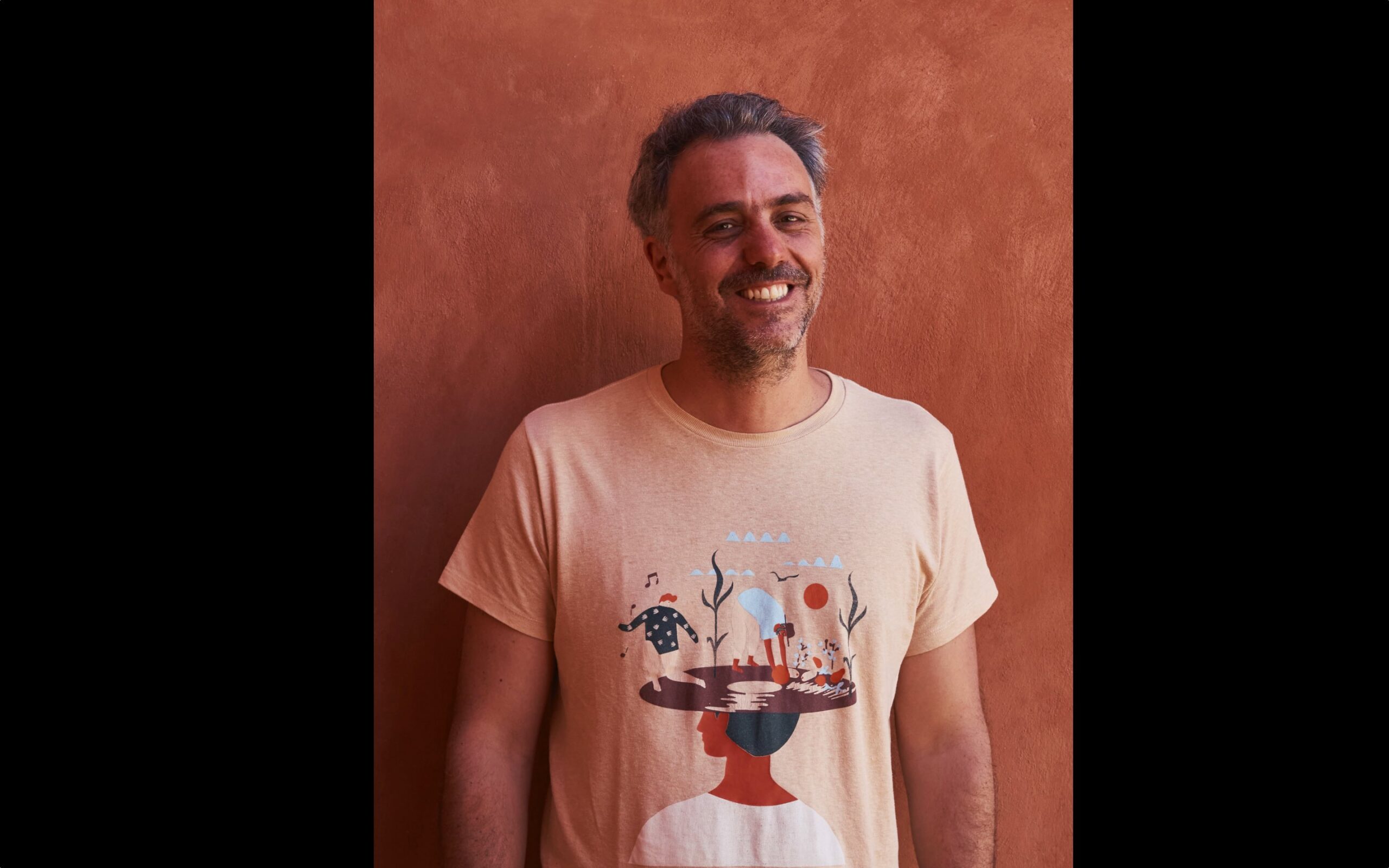
Lucio Usobiaga of Mexico won the 2026 Basque Culinary World Prize for his project Arca Tierra, a network of farmers and the culinary community of Mexico that helps preserve Mexico City’s traditional chinampa agricultural system. The chinampas are an ancient, pre-Aztec series of agricultural canal islands, where small artificial plots of land were built in the wetlands of Xochimilco, in the southern valley of Mexico City. Traditional farmers known as chinamperos still practice this form of agriculture, growing flowers, maize, legumes, and several types of vegetables, Mongabay’s Aimee Gabay reported in 2024. The Basque Culinary World Prize, also referred to as the “Nobel Prize of Gastronomy,” was created in 2016 by the government of the Basque autonomous region in Spain and the Basque Culinary Center, and awards 100,000 euros (about $110,000) to a project chosen by the winner. Arca Tierra cultivates 6 hectares (about 15 acres) within the chinampas and works with 50 farming families across Xochimilco, Puebla, Hidalgo, and the state of Mexico. These farms supply around 60 restaurants in Mexico City with fresh produce. According to Food & Wine magazine, the chinampa soil’s high organic matter from lake sediments also gives food grown there a special flavor. “I can tell, like from the first bite, when I’m eating a beet from the chinampas,” Usobiaga told Food & Wine. Usobiaga told Mongabay by email that he wants people to know the chinampero farmers have been living in the chinampas for millennia, and that their important work has mostly gone unseen. “Mexico City’s future is tied to the chinampas because of the water they filter back to the aquifer, the carbon they sequester, the biodiversity they hold, and the culture they sustain,” he said. “Chinampas are being lost to urbanization and abandonment. Chinampero resistance is strong, but they need help in many ways.” Usobiaga cited buying products grown by chinamperos, visiting the chinampas, and paying the farmers for the ecosystem services they provide as ways people can help support the chinampa ecosystem. He said he also wants to attract more young people to continue farming there. “I am sure international recognition is helping to encourage young people to know the chinampas and some to work there. After all, it is a powerful place of great beauty and cultural importance,” he said. The chinampas agricultural ecosystem is the last remaining habitat for wild axolotls (Ambystoma mexicanum), the Mexican salamanders famed for their cuteness. “Our basic premise is that the chinampero farmer is the guardian and custodian of the chinampas. That includes its canals and the animals that live there,” Usobiaga said. “We have helped develop biofilters that leave out predators and clean the water so that the axolotl can live in there. Also, the kind of agriculture we promote does not use toxic chemicals, to the contrary, traditional farming and agroecology help restore ecosystemic services.” Arca Tierra cultivates 6 hectares (about 15 acres) within the chinampas and works with 50 farming families that supply restaurants in Mexico City. Image courtesy of George Steinmetz. Banner image of Lucio Usobiaga courtesy of Pablo Antoli. Credits Topics
Lucio Usobiaga wins 2026 ‘Nobel Prize of Gastronomy’ for protecting Mexico’s chinampas ecosystem
Full Article
Original Source
Read the full article at News →KhanList aggregates and links to publicly available news content. We do not host full articles from third-party sources. Always verify important information with original sources.