
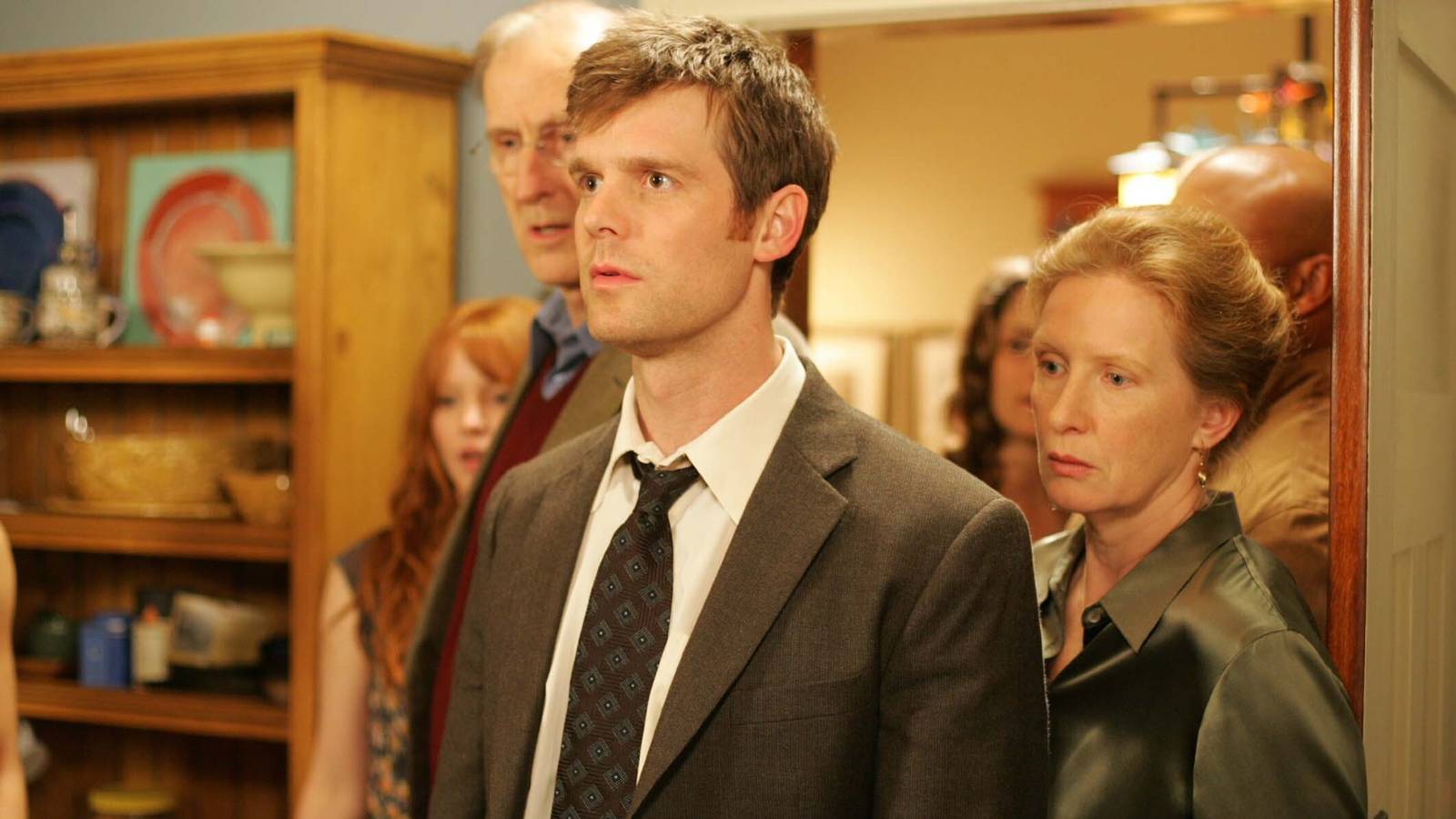
Published Sep 7, 2026, 8:30 PM EDT Casey Duby is an avid TV writer, watcher, and reviewer. She graduated from Emerson College in 2021 with a focus in Writing for Film and Television, where she wrote several pilots and watched countless more. She's been working in television ever since. Casey loves thoughtful content that makes her ponder our world and the people in it, and she's learned that any genre can surprise her. With favorites in every genre from horror to politics, family to action, nothing is off limits. Casey has experience working in TV development and writing scripted shows. Currently working as a Writer/Critic in Los Angeles, with an AMC A-List membership to boot, she is always hunting for the next good story and great theme song. ABC's 2004 series Lost was characterized by many unsolved mysteries. From polar bears on a tropical island to a vengeful entity made of black smoke, Lost was meant to be eerie and off-putting, and in the end, its most bizarre elements were meant to be accepted rather than explained. Ultimately, the show endeavored to harness an emotional authenticity amidst a fantastical, adventurous setting. One of HBO's most ambitious shows, Six Feet Under premiered three years before Lost and was very different, though it shared a penchant for strange, off-kilter storytelling. The show blended a family drama with a procedural format as it followed the members of the Fisher family and their family-owned funeral home business. The Fishers often talked to the deceased people they worked on, and the show never attempted to clarify whether these were ghosts or simply visualizations of their inner monologue. Dreams also often blended with reality, giving the whole show a bit of an ethereal quality. Nonetheless, Six Feet Under maintained a harrowing emotional realism as it made a point to depict characters' raw, unmasked grief. All in all, both shows proved that departing from reality can, in fact, be the key to capturing hard-hitting emotional truths with surprising clarity. Ten years after Lost's premiere, The Leftovers took that lesson to heart and delivered one of the most powerful stories in television history. The Leftovers Is Both Realistic And Bizarre The Leftovers' premise was quirky and strange right off the bat. The story opened a year after The Great Departure, an unexplained event in which two percent of the world's population vanished into thin air and never returned. While this immediately created an expectation of an otherworldly story of some kind, the show instead focused on the deeply human, realistic, and emotional responses to the event. The Great Departure was bizarre. The overwhelming grief felt by Nora Durst, who lost her entire family, was upsettingly realistic. Even the Guilty Remnant, the eerie chain-smoking, white-wearing cult who took a vow of silence in response to The Great Departure, felt like a likely human reaction to an event so impossible to process. In many ways, The Leftovers felt like an answer to Lost. The Great Departure was also far from the only strange happening in The Leftovers. Like Lost, the show had a rather ethereal quality as its protagonist and regular guy, Kevin Garvey, was thrust into a purgatory-like plane and forced to follow inexplicable, dreamlike rules in order to prevent an impending apocalypse. Through it all, though, the focus was on how an average man would respond to such oddities. The combination of bizarre circumstances and deeply realistic responses to them is what made The Leftovers so great. It allowed viewers to entertain the question of what they would do in such a strange situation, and enjoy the show's own, likely very relatable, answer. Like Lost and Six Feet Under, it served as an entertaining and hard-hitting reminder that human connection is, in itself, the point of life. The Leftovers Actually Sticks The Landing Perhaps the biggest difference between Lost and Six Feet Under is in their series finales. While Lost's ending has become controversial and infamous, the series finale of Six Feet Under has gone down as one of the best of all time. Thankfully, The Leftovers' ending aligns more closely with that of Six Feet Under, which showed that giving viewers all the answers can be just as satisfying as it sounds. The episode description for the series finale of The Leftovers simply reads, "Nothing is answered. Everything is answered. And then it ends," and that was exactly what happened. While Lost opted for emotional closure in a way that left many ongoing mysteries unsolved, The Leftovers learned that emotional closure doesn't have to come at the cost of wrapping up the plot. Instead, The Leftovers took lessons from both Lost and Six Feet Under and found that giving concrete answers to its biggest plot points would, in itself, lead the characters to a profound emotional conclusion. Though it may never have come to fruition without the groundwork laid by Lost and Six Feet Under, The Leftovers may very well be the greatest show of all time. Release Date 2014 - 2017-00-00 Showrunner Damon Lindelof Writers Damon Lindelof, Tom Perrotta
Lost Meets Six Feet Under In HBO's 3-Part Sci-Fi Masterpiece
Full Article
Original Source
Read the full article at Screenrant →KhanList aggregates and links to publicly available news content. We do not host full articles from third-party sources. Always verify important information with original sources.