
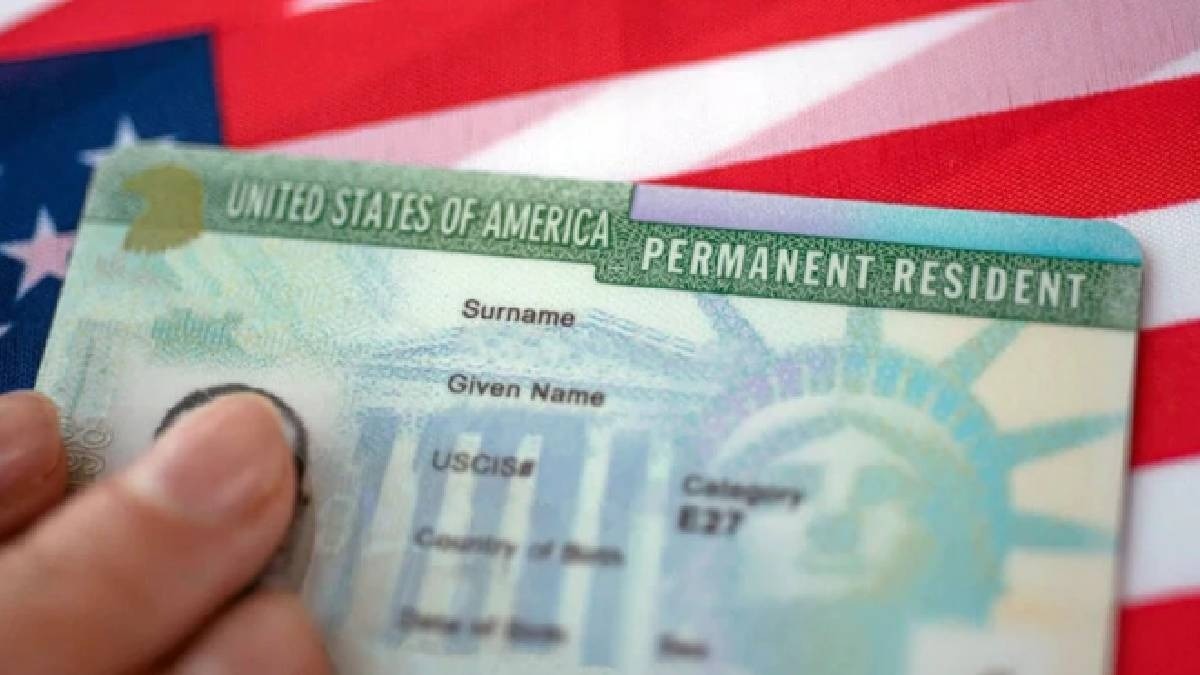
Imagine starting the paperwork for your US green card today. You could be gone by the time your application reaches the front of the queue, and even two lifetimes may not be enough to cover the wait.For highly skilled Indians seeking permanent residency in the US, a new applicant in the employment-based EB-2 category could face a wait of up to 179 years, according to an analysis by the National Foundation for American Policy (NFAP).In other words, someone applying today could be waiting for their green card until 2205.That extraordinary estimate is a reflection of the massive employment-based green card backlog, particularly for Indian professionals, who face long queues because of country-based visa limits and high demand for employment-based immigration. The NFAP analysis looked at US immigration data across the EB-1, EB-2 and EB-3 preference categories.179 YEARS FOR EB-2, 38 YEARS FOR EB-3The estimated wait varies sharply depending on the employment-based category. For a highly skilled Indian worker applying through EB-2, the potential wait could stretch to 179 years.For EB-3, the estimated wait is significantly lower but still extraordinary at up to 38 years.Those applying through EB-1, which covers the highest preference category among the three examined, could face a wait of around four to five years, according to the NFAP analysis.The figures apply to a new applicant with a labour certification application or an employment-based immigrant application, based on the analysis of the existing backlog and the applicable visa limits.NEARLY 1 MILLION INDIANS ALREADY IN THE BACKLOGThe scale of the problem becomes clearer when looking at the number of people already waiting.As of December 2025, nearly one million people from India were estimated to be in the US employment-based immigration backlog.Across EB-1, EB-2 and EB-3, the total backlog stood at an estimated 1.26 million people by December 2025.That represents a 20.6% increase over five years. The estimated backlog was around 1.05 million in April 2020.Among the three categories, EB-3 accounted for the largest share at 30.1%, followed by EB-2 at 22.9% and EB-1 at 16.6%.WHY IS THE WAIT SO LONG?One of the central reasons is the way the US employment-based immigration system limits the number of green cards that can be issued.US immigration law limits employment-based green cards to about 140,000 a year. There is also a rule under which no more than 7% of these visas can be awarded to nationals of any one country in a given year.For countries with relatively large numbers of applicants, these limits can create long queues.India has been particularly affected because of the large number of Indian professionals seeking employment-based permanent residency in the US.The result is a mismatch between the number of people waiting and the number of green cards available to move them through the system.The lengthy green card process also has implications for Indian professionals who are already working in the US.According to the NFAP analysis, many of those facing these extraordinary waits do so while remaining in H-1B temporary status.For workers and their families, the uncertainty can stretch over decades. The NFAP noted that such delays can also make it harder for US companies to attract and retain talent.The issue is therefore not limited to when someone receives permanent residency. A prolonged wait can affect long-term decisions for workers who have built careers and families in the US.The latest figures also show that this is not a problem that has remained static.The combined employment-based backlog across EB-1, EB-2 and EB-3 rose from an estimated 1.05 million in April 2020 to 1.26 million by December 2025.That 20.6% increase has added to pressure on a system where annual visa availability remains constrained by statutory limits.For Indian applicants, the consequences are particularly stark. While an EB-1 applicant could potentially wait four to five years, an EB-2 applicant entering the queue today faces an estimated wait measured not in years or even decades, but in 179 years.TRUMP'S IMMIGRATION CRACKDOWN ADDS TO UNCERTAINTYThe NFAP analysis comes against the backdrop of a broader tightening of US immigration policy under President Donald Trump's second administration.The report notes that the administration has pursued an aggressive immigration crackdown, including deportations, visa and green card revocations and tighter scrutiny of immigration applications.It has also made legal immigration more difficult through measures including new and expensive fees for certain work visa applicants.Indian immigrants are particularly significant to the US. The report puts the Indian-born population in the country at about 3.2 million in 2024, making Indians the second-largest foreign-born group in the United States.For Indian professionals hoping to make the US their permanent home, however, the biggest hurdle may not simply be getting a job or a temporary work visa.It could be getting to the front of the green card queue.And for someone entering the EB-2 queue today, the NFAP's estimate puts that wait at 179 years.- EndsPublished On: Sep 2, 2026 10:50 IST
Looking to get a US green card? The wait could outlast two lifetimes
Full Article
Original Source
Read the full article at Indiatoday →KhanList aggregates and links to publicly available news content. We do not host full articles from third-party sources. Always verify important information with original sources.