
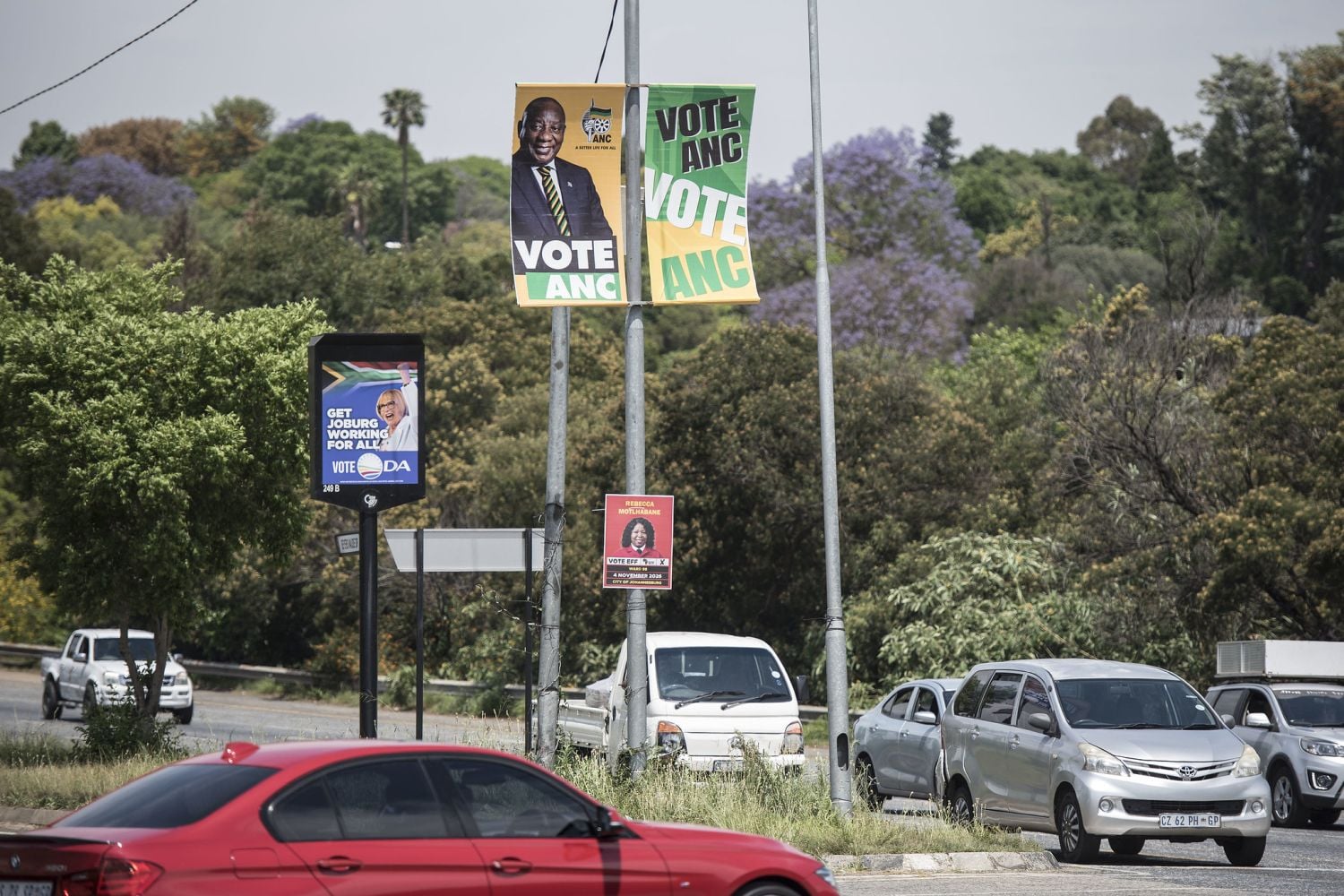
Undocumented migrants, crime, GBV and economic growth are dominating campaign promises. But can your municipality keep the water running, maintain roads, collect rubbish and manage infrastructure? With just days to the local government elections, the political noise is deafening. Wannabe mayors and councillors are talking about illegal immigration, crime, gender-based violence, economic growth and the future of the country as a whole. They are making promises, finding scapegoats to blame and telling voters why they deserve a chance. Local government is about the basics All of these issues are important, but have nothing to do with local government. And the voters need to ask a simple question: What does any of this have to do with water coming out of my tap, electricity flowing into my home or the rubbish being collected on my pavement? Municipal elections are about local government. And local government is about the basics. These are not glamorous campaign issues. They do not make for dramatic speeches or viral videos. But they are the everyday responsibilities that shape people’s lives and make or break communities. And they are precisely what voters should be asking about. All of South Africa’s political parties know how to campaign. They know how to stir emotions, identify an enemy and promise a better future. But a campaign slogan is not a service delivery record. A speech about national economic growth does not fix a broken water pipe. A promise to tackle undocumented migration does not collect the rubbish piling up outside your home. A commitment to end gender-based violence won’t stop power failures on your street. The distinction matters because not every problem belongs to the local government. Immigration policy, policing and the broader national economy involve other spheres of government, even when municipalities are affected by their consequences. Hold politicians accountable Municipalities have their own responsibilities, powers and limitations. Voters should understand them – and hold the right people accountable. That means looking beyond the party logo. If your municipality has been governed by the same party for years, what has improved? If a new party wants your vote, what evidence supports its promises? If your council has been governed by a coalition, who made the decisions, who blocked them and who should answer for the results? And if politicians blame another sphere of government, ask a simple follow-up: what, specifically, was within their power to do? Coalition country South African politics has changed dramatically in the past decade. Coalitions have become an increasingly important part of governing since 2016, and after the ANC lost its national majority in 2024, it is no longer business as usual. We now live in a coalition country. In local government, that can mean a party wins the most votes but still fails to secure the mayor’s office. Smaller parties can hold the balance of power. That makes your vote important – but it also makes scrutiny essential. Parties must explain not only what they want to achieve, but who they are prepared to work with and what their agreements will prioritise. A mayoral chain is not a service delivery plan. Winning an election is not proof that a party can govern. And a coalition agreement means little if residents cannot see what it is delivering. None of this means voters should ignore immigration, crime, gender-based violence or economic growth. These issues deserve serious debate. But voters should be wary when national political arguments dominate a local campaign while the condition of their own municipality goes unmentioned. Demand answers Do not let the politicians trying to convince you to vote for them change the subject. Focus on the unsexy issues that make your everyday life easier. What about the budget and infrastructure maintenance? Ask about water losses, infrastructure failures and unpaid municipal accounts. Look at what has been delivered, what has not, and why. Demand evidence rather than another round of promises. Then keep asking after the election. Democracy is not a five-year break between casting a ballot and complaining about the state of your neighbourhood. Know your councillor. Attend community meetings. Report failures. Follow municipal decisions. Demand answers. There is no perfect party, councillor or municipality. Money and capacity are limited, and some problems cannot be solved overnight. But voters are entitled to expect honesty, competence and a clear account of how public money is being spent. On election day, the choice is not simply about which politician delivers the most stirring speech or identifies the most convenient enemy. It is about who will represent your community, make decisions within their powers and be held accountable for the results. So when the campaign posters go up and the promises start flying, keep your eyes on the basics. Water. Electricity. Rubbish. Roads. Infrastructure. Accountability. Don’t just ask politicians what they stand for. Ask them what they have done – and what, exactly, they can deliver. The future is local. And if we want it to be better, we need to start treating it that way. Nickolaus Bauer is the author of South Africa’s Easy Election Guide: Local Government 2026. Powered by the Konrad Adenauer Foundation, it is a simple yet sophisticated guide to empower voters to make wise choices on election day. Download the book for free here.
Local elections: Stop listening to the spin and start asking about the basics
Full Article
Original Source
Read the full article at Citizen →KhanList aggregates and links to publicly available news content. We do not host full articles from third-party sources. Always verify important information with original sources.