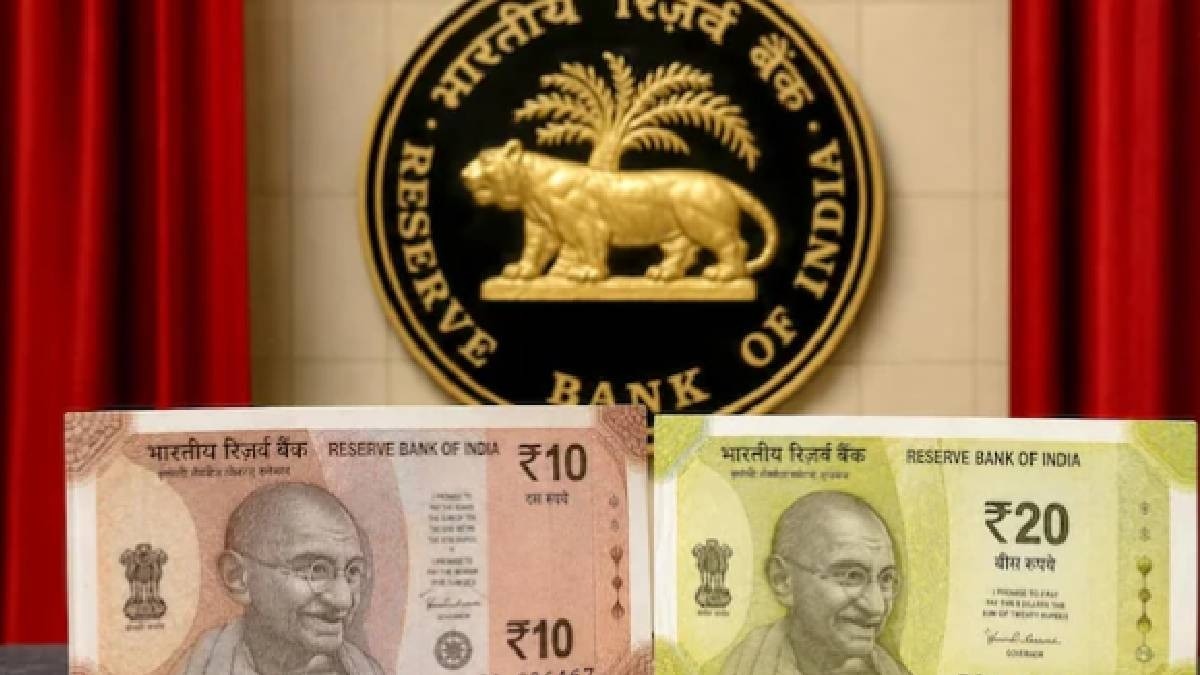
Polymer banknotes are becoming increasingly popular worldwide for their durability and security. While about 60 countries use them in some form, only a smaller group has fully switched.Around 60 countries use polymer banknotes fully or partly. Australia pioneered plastic currency, while several nations have adopted the durable notes for better security and longer circulation.Plastic currency notes, also known as polymer banknotes, are now used fully or partly by around 60 countries across the world. These notes are made from a durable plastic material instead of traditional paper, making them harder to counterfeit, longer-lasting and more resistant to water and dirt. While many countries have adopted polymer notes for select denominations, only a smaller group has completely switched to them.Australia led the way by becoming the first country to introduce polymer banknotes, setting the trend for many others to follow.COUNTRIES THAT HAVE FULLY SWITCHED TO POLYMER BANKNOTESSeveral countries now issue all or nearly all of their circulating banknotes in polymer. These include:AustraliaCanadaNew ZealandRomaniaVietnamBruneiPapua New GuineaMaldivesMauritaniaNicaraguaVanuatuEastern Caribbean statesUnited KingdomBarbadosOman also joined this group in 2026 after introducing a polymer 1-rial banknote. COUNTRIES THAT USE POLYMER NOTES PARTLYMany countries have introduced polymer banknotes only for certain denominations while continuing to use paper notes for others. These include:SingaporeMalaysiaThailandIndonesiaPhilippinesChinaHong KongIndiaBangladeshSri LankaNepalNigeriaSouth AfricaMexicoBrazilChileUnited Arab EmiratesSaudi ArabiaKuwaitIsraelSeveral other countries have also issued polymer notes for limited circulation or commemorative purposes.WHAT IS INDIA'S PLAN? India has not fully switched to polymer currency. The Reserve Bank of India (RBI) previously conducted pilot tests with Rs 10 polymer notes and is now preparing another trial that is expected to begin with Rs 10 and Rs 20 notes. No nationwide rollout has been announced yet.ALSO READ: India may get Rs 10 and 20 plastic currency notes from next year. Here's whyWHY ARE POLYMER BANKNOTES GAINING POPULARITY?Polymer banknotes last much longer than paper notes and are more difficult to forge because they include advanced security features such as transparent windows, specialised inks and intricate designs. They are also more resistant to moisture, dirt and everyday wear, reducing replacement costs over time.- EndsPublished By: vaishnavi parasharPublished On: Jul 18, 2026 12:05 IST
List of countries that use plastic currency notes instead of paper money
Full Article
📰 Original Source
Read full article at Indiatoday →KhanList aggregates and links to publicly available news content. We do not host full articles from third-party sources. Always verify important information with original sources.