
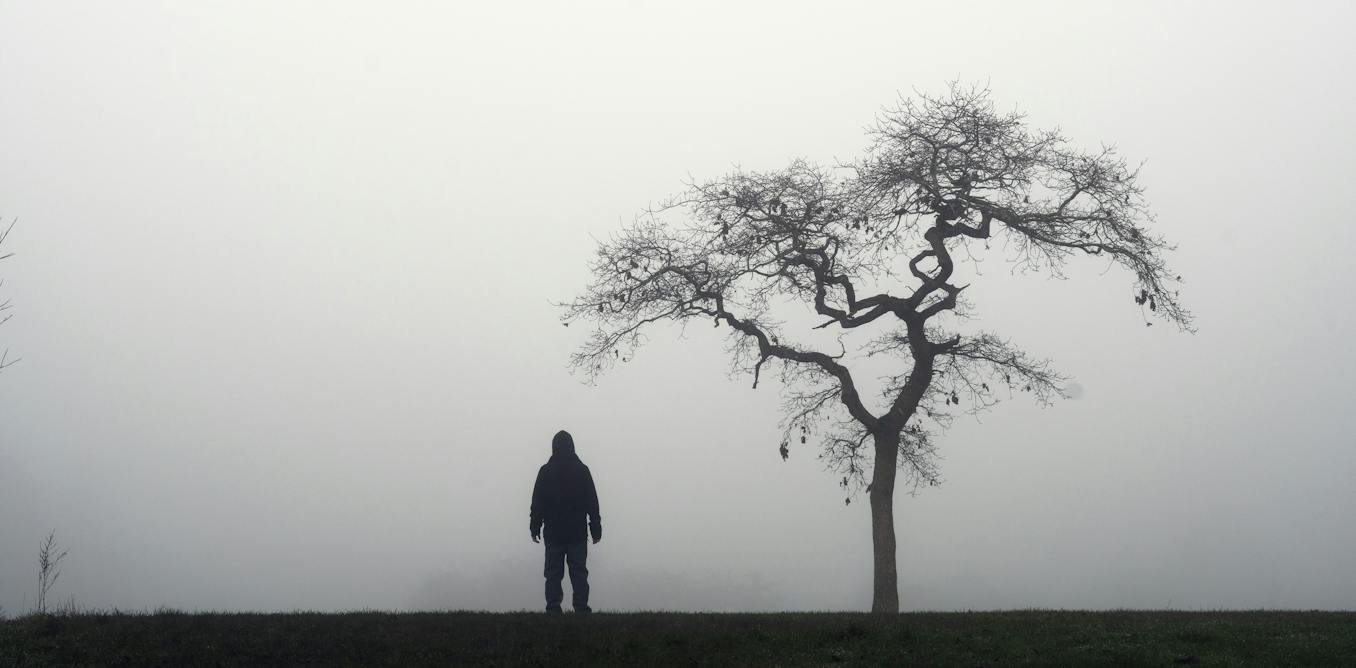
Even if you have never read it, you know the story of Mary Shelley’s second great work of political science fiction after “Frankenstein.” “The Last Man,” published in 1826 but set in the late 21st century, tells the tale of a lethal contagion spread by human conflict and war that sweeps the world and seemingly leaves one sole human survivor. With wars and climate catastrophes hitting a world still reeling from 7 million deaths caused by COVID-19, Shelley’s pandemic novel has perhaps never felt so relevant. And the book’s influence is widespread. The tropes and themes of “The Last Man” have shaped the genre of postapocalyptic fiction in the two centuries since its release. In Shelley’s “Frankenstein” and the many stories, films and TV shows it has inspired, the abandoned monster becomes a plague upon his creator. A portrait of Mary Wollstonecraft Shelley. Richard Rothwell from the National Portrait Gallery, London, via Wikimedia Commons In “The Last Man” and the countless books and movies on its themes that followed, a human-made epidemic becomes the mega-monster that threatens the extinction of humanity itself. Some of the recent television series that explore these themes are “The Last of Us,” “Midnight Mass” and “Station Eleven.” They follow classic films such as “I Am Legend,” “28 Days Later” and “The Last Man on Earth.” Regardless of how many zombie-invasion or vampire-apocalypse movies you have seen, if you haven’t read “The Last Man,” I recommend you do. And if you have, perhaps read it again. I have edited a new edition of “The Last Man” that also includes the text of Shelley’s private “Journal of Sorrow,” her diary of personal loss and grief that inspired the novel. I find “The Last Man” to be a wildly imaginative tale that helps readers think about the future effects of human interventions in the natural environment and the political sphere. A brief summary that’s light on spoilers The cover sheet of the first edition of ‘The Last Man.’ Wikimedia Commons “The Last Man” is an epic, three-volume novel that begins as a court romance in the environs of Windsor Castle in the late 21st century. By the end of Volume I, the court romance has devolved into a series of infidelities, both personal and political, which cause the corruption and destabilization of England’s fledgling democracy. In Volume II, the leaders of this court circle – Lord Raymond and the former prince Adrian – leave to fight in the war of Greek independence against Turkey. A lethal plague spreads from the battlefield near Constantinople to infect people around the world. By Volume III, a postapocalyptic world emerges with the fall of governments, anarchy and seeming human extinction except for one man – the narrator of the novel itself, Lionel Verney. It’s evident that Shelley, the daughter of Mary Wollstonecraft, a prominent English thinker and writer, identified with the figure of “The Last Man” because she said so herself in her journal. In July 1822, her husband Percy Bysshe Shelley, a well-known English poet, drowned in a boating accident at age 29. Three months later, Mary Shelley started the diary that became her “Journal of Sorrow” and wrote regularly in it while writing the novel. She recorded her feelings of social isolation and suicidal despair in the wake of Percy’s death, which had been preceded by the deaths of three of their four young children. Soon after publication of “The Last Man,” she wrote a friend that Lord Raymond was the avatar for her late friend Lord Byron, and Adrian was the avatar for her late husband Percy. On a personal level, the deadly plague was a symbol of the human-made tragedies that had beset her own circle of friends and family, leaving her to cope with the loss of nearly everyone she had loved, as her journal and letters revealed. On a political level, Shelley’s monster pandemic served as a warning of what horrifying fates might await the whole of humanity if conflict and irresponsibility were left unchecked worldwide. Various editions of the book – including the most recent (lower left) – have depicted the concept of ‘The Last Man’ in different ways. Book covers, with PicCollage Does this sound familiar? For readers in the 21st century, “The Last Man” vividly engages with three key issues that haunt our present-day postapocalyptic landscape of environmental and political disaster: extreme weather, pandemics and species extinction. In the war-and-plague story of Volume II, the wartime siege of Constantinople exacerbates the extreme heat and causes the ruin of the city as well as the eventual spread of the epidemic from the battlefields to the wider world. In the bleak postapocalyptic landscape of Volume III, the governments of the planet have failed to work together to contain the contagion, leading to the breakdown of societies, civil war and anarchy. The result is the specter of human extinction: “(T)he vessel of society was wrecked, and the shattered raft, which carried the few survivors over the sea of misery, was riven and tempest tost. Man existed by twos and threes; man, the individual who might sleep, and wake, and perform the animal functions; but man … the queller of the elements, the lord of created nature, the peer of demi-gods, existed no longer.” But hope is not lost in Shelley’s reworking of the bleak vision of postapocalypse as terminal and total extermination of life. Life goes on even as humanity dies off due to its own violence and lack of cooperation and care for others. Other lifeforms persist, including nonhuman animals, insects, fish, plants and even the dried remains of human agriculture, which Verney eats. The inanimate matter of the Earth endures, as does its atmosphere. The waterways of the planet keep running into the seas and oceans. Venturing out in search of what might be. VideoKot/iStock via Getty Images Plus A way forward? Left alone amid the ruins of Rome, Verney decides to write his own book, calling it “The History of the Last Man,” to assess what has happened, why it happened, who was responsible and how it might have been avoided. In a meta-fictional moment, the reader discovers that Verney’s “History” is actually the book they are holding, Shelley’s “The Last Man.” In the final frame, Verney writes in his journal the wild hope that there may still be other survivors on the planet, perhaps safe on some island in the South Indian Ocean. He plans to sail out on a little boat – with only his dog and the works of Shakespeare and Homer for company – in a quest to forge new and humane forms of community with the forms of life still existing on the planet. With this poignant image of hope against all hope, Shelley gave readers a model for how to engage with the climate, public health and human-exacerbated environmental disasters that haunt our all-too-real postapocalyptic political landscape in the 21st century. On the bicentennial of “The Last Man,” it still carries ethical relevance for navigating present and future worlds of environmental and political disaster.
Lessons for the 21st century from a 200-year-old book by ‘Frankenstein’ author Mary Shelley
Full Article
Original Source
Read the full article at Theconversation →KhanList aggregates and links to publicly available news content. We do not host full articles from third-party sources. Always verify important information with original sources.