
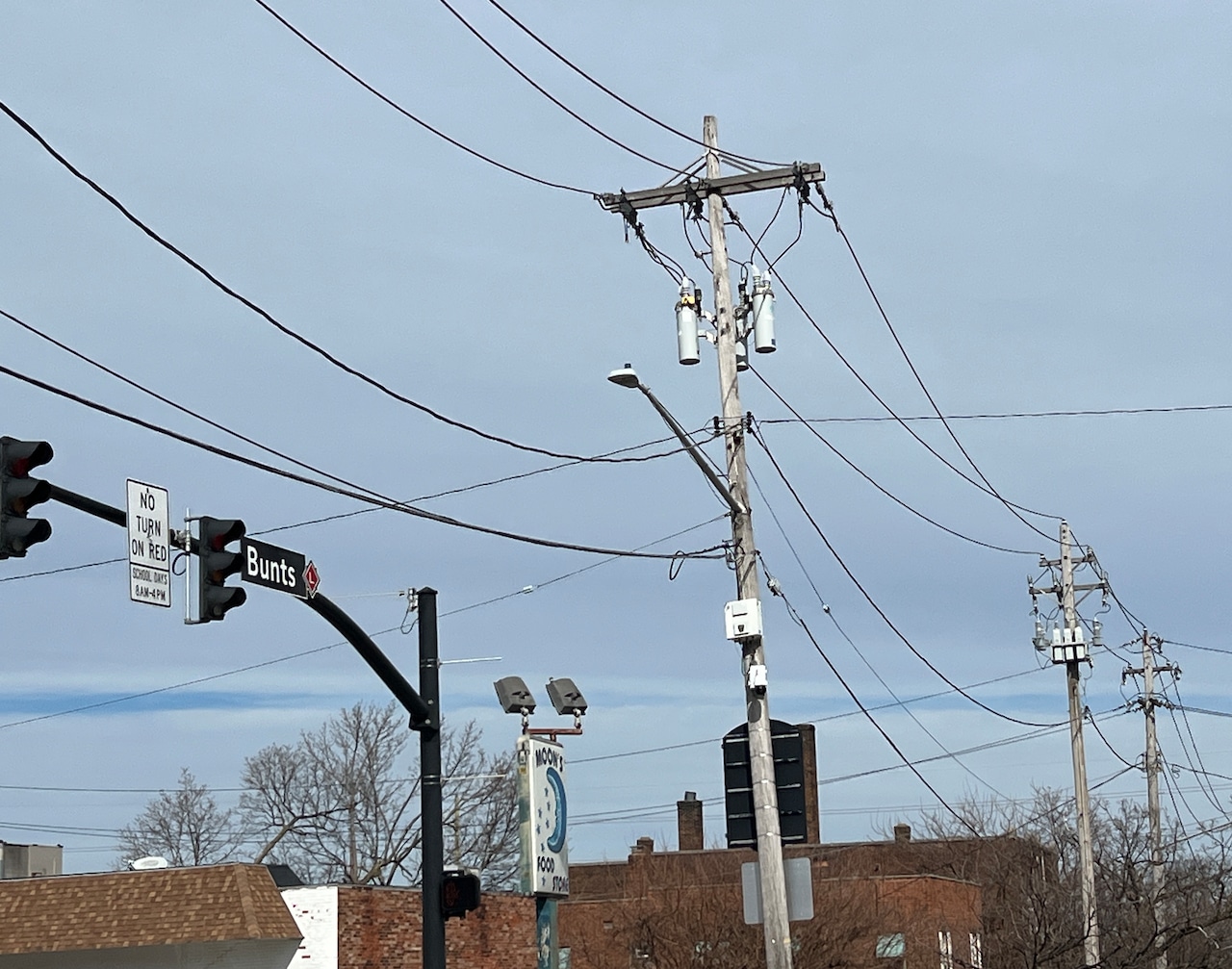
NewsLakewood Mayor Meghan George supports using a proposed $3.05 million penalty against FirstEnergy to improve the city’s electrical system, but she also wants the utility to compensate residents and businesses for outage-related losses.John Benson/cleveland.comBy Kaylee Remington, cleveland.comcleveland.com Express DeskLAKEWOOD, Ohio -- Lakewood Mayor Meghan George wants FirstEnergy to invest a proposed $3.05 million regulatory penalty in the city’s electrical grid and separately reimburse residents and businesses for financial losses caused by repeated power outages.George said in an interview with cleveland.com and The Plain Dealer last week that she supports directing the proposed forfeiture toward repairing and upgrading Lakewood’s electrical infrastructure.But she does not believe infrastructure improvements should be the only relief FirstEnergy provides.She also wants the utility to reimburse residents who lost groceries or medication, and businesses that lost inventory, revenue, or were forced to close during outages.The details of any reimbursement program, including how customers would submit claims and whether receipts would be required, should be determined by the Public Utilities Commission of Ohio, the city said.George also supports proposed legislation from state Rep. Tristan Rader, a Lakewood Democrat, that would create automatic bill credits for prolonged outages and allow residential customers to seek reimbursement for losses such as spoiled food and refrigerated prescription medication.Under Rader’s draft proposal, automatic credits would begin when an outage lasted longer than 16 hours during normal conditions, 36 hours during a significant systemwide outage, or 72 hours during catastrophic conditions.PUCO staff proposed a $3,049,750 forfeiture against FirstEnergy’s Cleveland Electric Illuminating Co. after finding probable noncompliance with state requirements for reliable electric service and customer communications following repeated Lakewood outages this summer.If imposed as a civil forfeiture, the money ordinarily would enter Ohio’s General Revenue Fund instead of going directly to the Lakewood residents and businesses affected by the outages.In an Aug. 21 response to PUCO, FirstEnergy recommended investing money that otherwise would be paid as a forfeiture in Lakewood’s electrical system. The company said the money could support reliability improvements, equipment upgrades and other customer-focused measures.FirstEnergy’s filing did not propose directly reimbursing residents or businesses for their losses.Cleveland.com and The Plain Dealer reached out to FirstEnergy multiple times for comment.PUCO spokesman Matt Schilling said civil forfeitures payable to the state’s general revenue fund are the enforcement tool PUCO staff can ask the commission to impose. Settlement agreements, however, can provide greater flexibility in how money is used.Schilling cited PUCO’s settlement involving FirstEnergy’s violations connected with House Bill 6 as an example. PUCO initially ordered approximately $250 million in penalties and customer restitution. Following appeals and settlement negotiations, the total increased to $280 million.The settlement redirected approximately $70 million from civil forfeitures toward additional customer restitution and included another $20 million for customer-assistance programs, Schilling said.He also pointed to a separate case in which PUCO staff negotiated a settlement with a retail electric supplier that included fines and restitution for affected customers.PUCO staff has not taken a position on FirstEnergy’s Aug. 21 response, Schilling said.Nearly 300 people responded to a Lakewood survey after the summer outages, describing spoiled food, disrupted medical care, lost work and other financial consequences.George said the effects extend beyond inconvenience or financial loss.“These are truly life-and-death matters when we’re talking about losing power in extreme heat or extreme cold,” George said during the interview. “People rely on medications. People are on oxygen. Our first responders are responding to people that are out of oxygen. So, these are truly life-and-death matters that FirstEnergy needs to take seriously.”Kaylee Remington joined cleveland.com and The Plain Dealer in 2016 and is the news organization's Cuyahoga County suburban cities reporter, focusing on the communities surrounding Cleveland. Her reporting...
Lakewood mayor wants FirstEnergy to repair grid, reimburse outage victims
Full Article
Original Source
Read the full article at Cleveland →KhanList aggregates and links to publicly available news content. We do not host full articles from third-party sources. Always verify important information with original sources.