
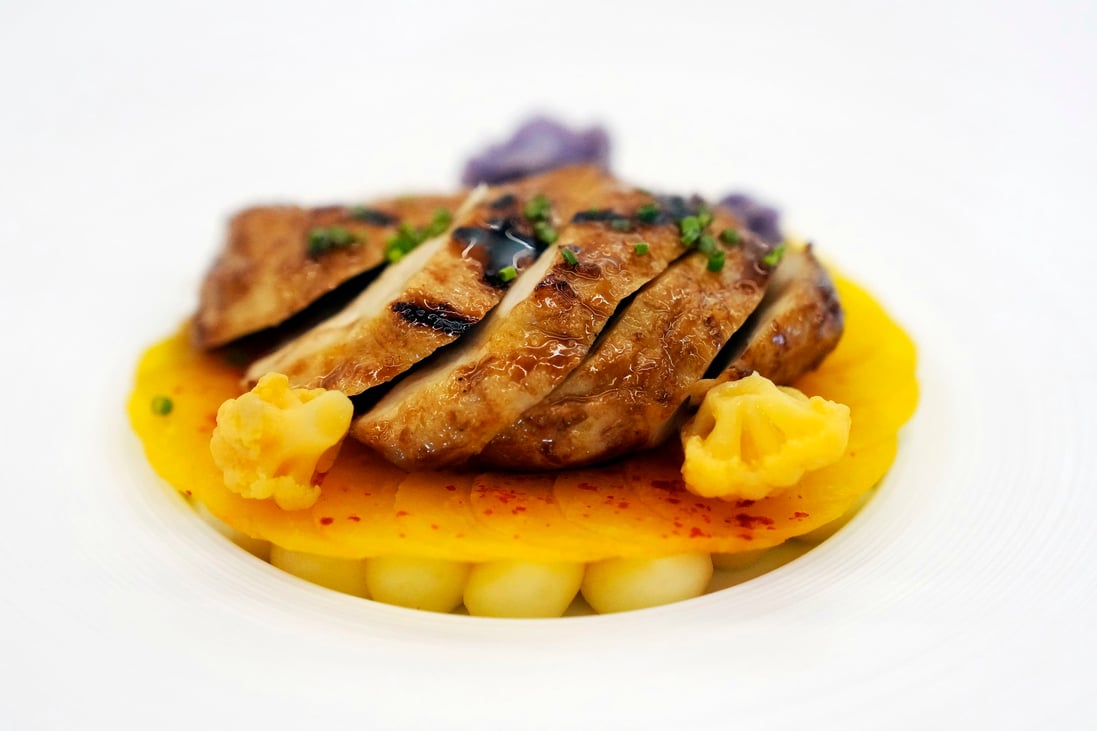
Two startup food manufacturers of cultivated salmon and chicken argue the ban is economic protectionism dressed up as a health pause.(CN) — Texas and two California startups fought Wednesday before a Fifth Circuit panel over the enforcement of the state’s proposed two-year ban on the sale of lab-grown meat.A lower court refused to block Senate Bill 261 in January, but California companies Wildtype and UPSIDE Foods argue the ban was enacted to shield the state’s cattle industry from out-of-state competition and that they are suffering irreparable harm.“We have our lost revenue, our lost business opportunities, our lost goodwill and our lost time in the market,” Institute for Justice attorney Marco Vasquez Jr., representing the companies, said.Wildtype produces cultivated salmon while UPSIDE produces cultivated chicken. Both products are made by growing animal stem cells into edible tissue and have received federal clearance to sell nationwide.The Texas law prohibits the sale of “cell-cultured protein” in the state until Sept. 1, 2027. The companies contend the ban violates the dormant commerce clause and is preempted by the federal Poultry Products Inspection Act.Vasquez pointed to statements by the bill’s sponsor that “the goal of this bill is to protect our agriculture industry.”He also noted the law’s statement of intent describing its purpose as supporting traditional agriculture. Vasquez also argued to the three-judge panel that neutrality is not enough under dormant commerce clause precedent when a law’s purpose and practical effect is to cut off an entirely out-of-state industry.But Texas Assistant Solicitor General Douglass Duncan countered that the ban treats in-state and out-of-state companies the same.“SB 261 is no different from the law in [another] case that this court upheld that banned the sale of horse meat in Texas,” he said. “It treats all in-state and out-of-state companies the same by way of a blanket ban as the court said there. It therefore cannot be considered economic protectionism.”The panel pressed both sides on whether the record is developed enough for the appeals court to decide the discrimination question itself or whether it should send the case back to the federal court.Duncan noted that the CEO of an Austin-based cultivated meat company testified against the bill at legislative hearings.“If a statute threatens to put an in-state company out of business, it cannot be discriminatory against out-of-state companies,” he said.Duncan also argued that cultivated meat companies are not similarly situated to traditional meat producers. He said the products are marketed primarily to consumers who avoid conventional meat for ethical or environmental reasons, and he cited testimony that UPSIDE’s chicken sells for $200 per pound.“There is no basis on this record to conclude that these two products or these two different types of entities are similarly situated,” he said.He also characterized the companies’ Texas sales as minimal — one restaurant relationship for Wildtype and a single sale to one resident for UPSIDE more than two years ago — and argued that any harm is speculative and outweighed by the state’s interest in protecting residents from imperfectly understood risks.The panel questioned the weight of legislative statements about protecting agriculture versus statements about potential long-term health risks of a novel product.Duncan described the two-year sunset as a reasonable pause to allow further study.Vasquez responded that Texas had produced no evidence of health risks and that federal regulators had already reviewed the companies’ safety data.The panel — which included U.S. Circuit Judges Don R. Willett, Andrew S. Oldham and Cory T. Wilson, all three appointed by Donald Trump — took the case under advisement. The ban remains in effect while the appeal is pending.Subscribe to our free newslettersOur weekly newsletter Closing Arguments offers the latest about ongoing trials, major litigation and rulings in courthouses around the U.S. and the world, while the monthly Under the Lights dishes the legal dirt from Hollywood, sports, Big Tech and the arts.Additional Reads
Lab-grown meat manufacturers fight to stay on Texas menus
Full Article
Original Source
Read the full article at Courthousenews →KhanList aggregates and links to publicly available news content. We do not host full articles from third-party sources. Always verify important information with original sources.