
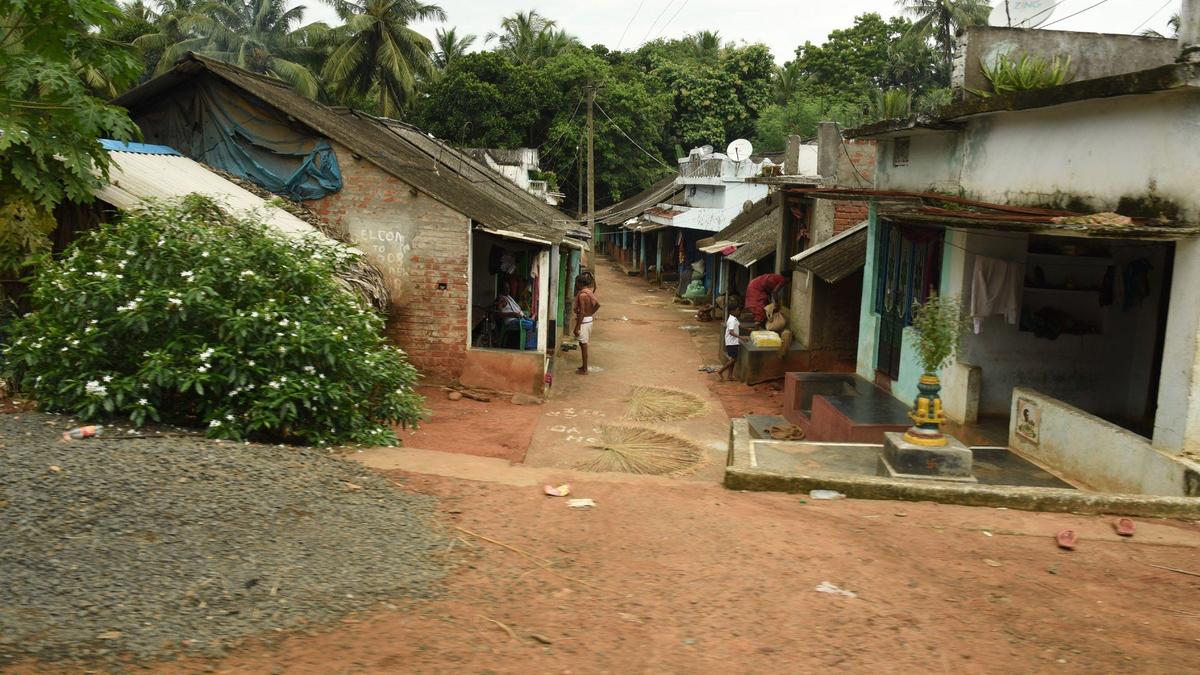
The study, which aims to screen 5,851 people, has so far covered four mandals, including Kaviti. | Photo Credit: File Photo An interim analysis of an ongoing study into the causes of kidney disease in the Uddanam region of Srikakulam district has found that 949 of the 3,897 people screened so far (24.35%) have the disease, according to the interim report submitted to the Indian Council of Medical Research (ICMR).Of these cases, 550 were diagnosed of Chronic Kidney Disease (CKD) and 399 of Chronic Kidney Disease of Unknown Aetiology (CKDu), an official statement released on Saturday said. The findings were presented to Health Minister Satya Kumar Yadav by the team of experts.The study, which aims to screen 5,851 people, has so far covered four mandals. Kaviti mandal has recorded the highest number and proportion of CKD and CKDu cases. Researchers say the findings warrant a closer examination of environmental, occupational and other factors prevalent in the mandal.The interim analysis is based only on the people screened so far. The remaining people will be screened shortly, following which the findings will be analysed along with environmental and biomarker data before drawing firm conclusions, the researchers say.Creatinine and albumin levelsThe study found that the levels of creatinine, urea and uric acid in the blood increased progressively with the severity of kidney disease, indicating a decline in the kidneys’ filtration capacity. Changes in kidney function became more pronounced as the disease advanced.The researchers also analysed the albumin levels in urine. In some individuals, abnormal albumin levels were detected despite apparently normal kidney function. The study suggested that those showing both reduced kidney function and elevated urinary albumin would require close follow-up.As part of the study, researchers are examining the possible environmental and occupational contributors to the kidney disease. Soil and water samples, besides blood and urine samples, are being tested for pesticide residues, heavy metals and other factors. The environmental component of the research is being undertaken with the support of the CSIR-Indian Institute of Chemical Technology (CSIR-IICT), Hyderabad. Researchers are also collecting information on drinking water sources, pesticide and fertilizer use, agricultural work, exposure to heat, lifestyle factors, diabetes, hypertension and medication use.Of those covered so far, 55.3% were aged above 48, while around one-third were associated with agriculture. Tobacco use was reported by 38.8% and alcohol consumption by 23.7% of the participants.The research team is also studying biomarkers in urine that can help identify people at risk of developing kidney disease at an early stage. RNA sequencing and genetic factors will also be examined as part of the study.Mr. Satya Kumar expressed hope that the final findings would help establish the underlying causes of kidney disease in the region.The comprehensive study is aimed at identifying the causes of CKD and CKDu in Uddanam and developing methods for early detection. It has been taken up with the approval of the ICMR-Department of Health Research, with ₹6.2 crore sanctioned for a three-year period.Senior nephrologist T. Raviraj is the mentor of the study, while G. Prasad, professor of Nephrology in Andhra Medical College, is the Principal Investigator. Scientists and technical experts are carrying out the field-level research. Published - September 12, 2026 08:15 pm IST
Kaviti mandal in Uddanam region has highest number of kidney diseases, says interim report
Full Article
Original Source
Read the full article at Thehindu →KhanList aggregates and links to publicly available news content. We do not host full articles from third-party sources. Always verify important information with original sources.