
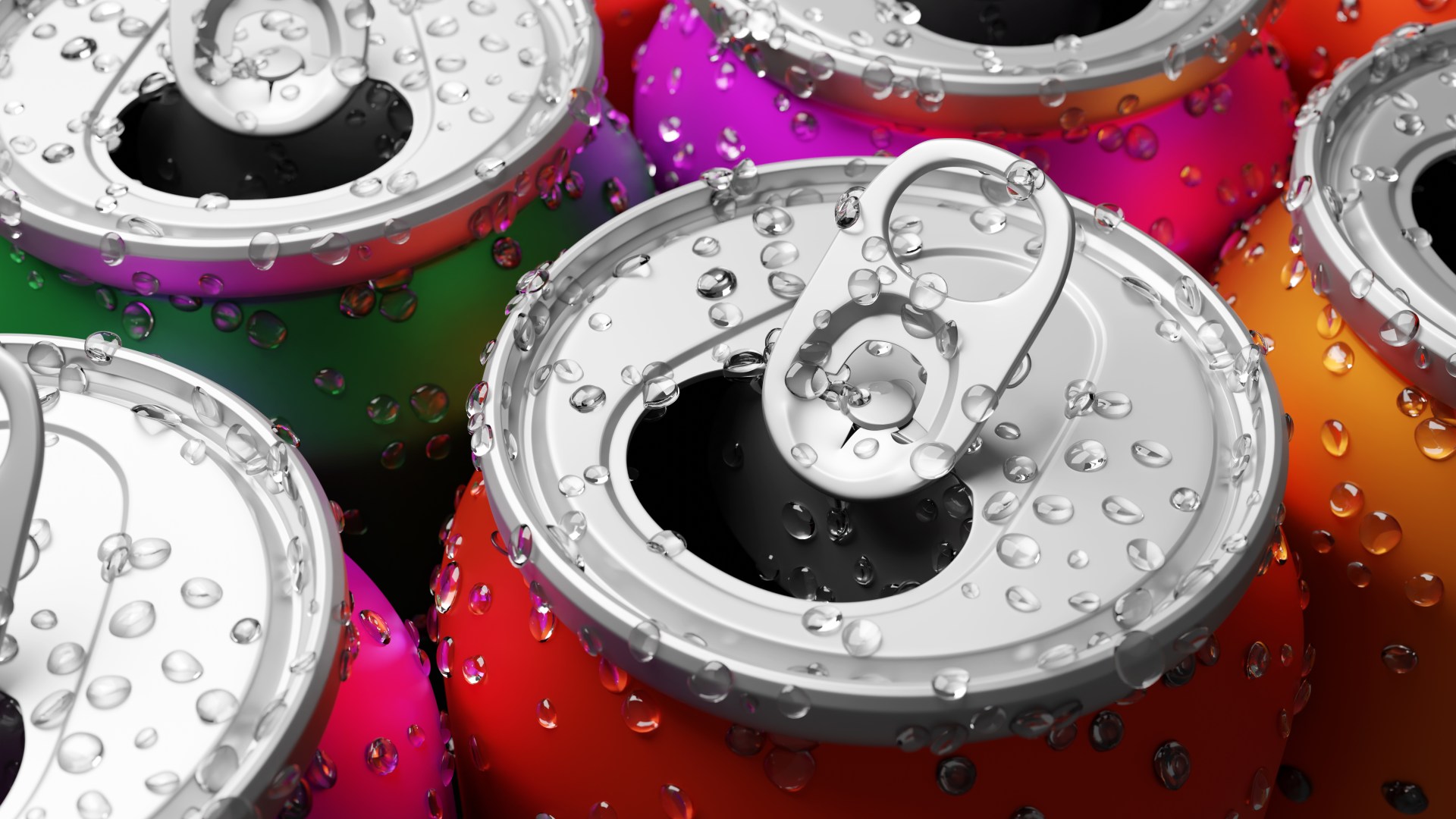
DRINKING just one fizzy drink a day could increase your risk of stomach cancer by more than double. But drinking sugar-free beverages doesn’t carry the same risk, scientists have said. Just one fizzy drink a day could increase your risk of stomach cancer Credit: Getty Stomach cancer is the 18th most common cancer in the UK Credit: Getty Stomach cancer is the fourth leading cause of cancer death worldwide, with around 6,800 new cases in the UK every year. What’s more, some 54 per cent of stomach cancer cases are preventable in the UK, according to Cancer Research UK. Sign up for the Health newsletter Thank you! Known risk factors of the disease include smoking, heavy drinking and certain stomach conditions like gastritis or severe acid reflux. But now, a new study has suggested that fizzy drinks could also increase your risk of getting the disease. Researchers tracked 112,284 people over several decades and monitored their beverage intake. They classified sugar-sweetened drinks as regular fizzy sodas, punches, lemonades and sports drinks. Artificially sweetened drinks were classed as low-calorie drinks like diet sodas. Writing in the Gastro Help Advances journal, scientists explained that they split participants into five groups depending on how many fizzy drinks they drank. Most read in Health From there, they tracked which of these people were later diagnosed with stomach cancer. Of the more than 112,000 participants, 278 developed the disease – 140 women and 138 men. What to know about stomach cancer Anyone can get stomach cancer. It’s not always clear what causes it. You might be more likely to get it if you: are over the age of 50 are a man have a long-term infection with Helicobacter pylori (H. pylori) – read more about the link between H. pylori and stomach cancer on the Cancer Research UK website have certain stomach conditions, such as long-term, severe acid reflux, gastritis or a condition called pernicious anaemia, which affects your immune system have a brother, sister or parent who had stomach cancer Many stomach cancers are also linked to lifestyle. There are many possible symptoms of stomach cancer, but they might be hard to spot. They can affect your digestion, such as: heartburn or acid reflux having problems swallowing (dysphagia) feeling or being sick symptoms of indigestion, such as burping a lot feeling full very quickly when eating Other symptoms include: loss of appetite or losing weight without trying to a lump at the top of your tummy pain at the top of your tummy feeling tired or having no energy If you have another condition, such as gastro-oesophageal reflux disease, you may get symptoms like these regularly. You might find you get used to them. But it’s important to be checked by a GP if your symptoms change, get worse, or do not feel normal for you. Source: NHS Researchers found that the risk of stomach cancer was 2.45 times higher in those who drank at least one sugary drink a day, compared to those who almost never drank one. In women, the risk was three times more for those who drank fizzy drinks at least once a day, and for men it was two times higher. Importantly, people who only had fizzy drinks a few times a month or a few times a week didn’t see their risk increase in any meaningful way. It was the daily habit that made the difference, the study observed. Researchers also looked at fructose – a sugar that occurs naturally in fruit and is used in some fizzy drinks – and noticed that people who consumed more fructose also had higher rates of stomach cancer. But they couldn’t identify whether fructose itself was the issue or not. Meanwhile, having artificially sweetened drinks didn’t appear to increase the risk of stomach cancer. Scientists did, however, caution that their knowledge on artificial sweeteners is still evolving. It is not yet clear exactly how sugary drinks contribute to stomach cancer, but researchers guessed it could be partly due to weight gain, insulin problems, hormone shifts, inflammation or an upset to the gut’s bacterial balance. Fizzy drinks have previously been linked to a risk of liver cancer. Fizzy drinks contain lots of sugar, which can be bad for your teeth and lead to other health problems Credit: Getty The study observed that having artificially sweetened drinks didn’t appear to increase the risk of stomach cancer Credit: Getty Researchers now need to do further research on the link between sugary drinks and stomach cancer. It must also be noted that this study was observational, meaning that while it shows an association between the two things, it cannot prove fizzy drinks cause stomach cancer. It comes as another study has suggested that eating high quantities of a compound found in green leafy vegetables could raise the risk of developing bowel cancer by 50 per cent – but only in men. Nitrates are found naturally in many vegetables, including spinach, lettuce, beetroot broccoli and celery. But they are also added into processed meats like bacon and some cheeses. And it is their presence in processed meats which has caused concern among health experts. Four symptoms bowel cancer can cause on the toilet Bowel cancer can cause a change in your toilet habits. Watch out for signs like: Bleeding from your bottom Blood in your poo Needing to go more or less often Diarrhoea or constipation that’s unusual for you You might also notice: You’re losing weight but you’re not sure why You’re feeling very tired all the time but you’re not sure why A pain or lump in your tummy Source: Bowel Cancer UK Cancer Research UK says that processed meat (containing nitrates) can damage the cells in the bowel and increase the risk of cancer. When nitrates reach the stomach, the acidic conditions convert them into nitrous acid. When this then reacts with digested protein from processed meat, it forms nitrosamines, which are carcinogenic. But now, a study published in the National Cancer Institute journal has suggested that a diet high in nitrates increases the risk of bowel cancer in men, regardless of the food source. While this potentially points to issues with the naturally occurring nitrates found in some vegetables, this has by no way been proven in this study. It is also important to note that the study didn’t look at the effects of vegetables and meat on bowel cancer risk separately. More research is now needed to further explore these findings. Comment now
Just one can of fizzy drink a day DOUBLES stomach cancer risk – except one type
Full Article
Original Source
Read the full article at Thesun →KhanList aggregates and links to publicly available news content. We do not host full articles from third-party sources. Always verify important information with original sources.