
The ruling comes more than a decade after Agrizzi began exposing corruption at Bosasa and gave explosive testimony before the Zondo commission. Former Bosasa chief operating officer Angelo Agrizzi has been ordered by the Gauteng High Court in Pretoria to pay the state R1.66 billion in what is being hailed as one of the most significant financial accountability rulings to emerge from South Africa’s state capture era. The judgment, handed down by Judge Mokhina Mosopa on 29 October 2026, follows a lengthy confiscation inquiry brought by the National Director of Public Prosecutions (NDPP) under the Prevention of Organised Crime Act (Poca). Court order The court ordered Agrizzi to pay R1,666,582,825.73, together with interest from the date of judgment until final payment. The ruling comes more than a decade after Agrizzi began exposing corruption at Bosasa and seven years after his explosive testimony before the Zondo commission shed light on how the company allegedly secured lucrative government contracts through bribery and other unlawful activities. Witness Agrizzi was a key witness before the commission in 2019, where he detailed how Bosasa, led by the late CEO Gavin Watson, allegedly cultivated a network of political and government connections through bribery. Agrizzi implicated former Correctional Services commissioner Linda Mti and former Department of Correctional Services chief Ffinancial officer Patrick Gillingham. Guilty In November 2025, Agrizzi pleaded guilty to three counts of corruption and one count of money laundering linked to Bosasa’s dealings with the Department of Correctional Services. He was sentenced to 10 years’ imprisonment, suspended for five years on condition that he continued assisting investigators and testifying in Bosasa-related matters. However, while the plea agreement resolved the criminal case, the question of confiscation was left to a separate inquiry heard in July this year. ‘Foundation built on corruption’ In a scathing judgment, Judge Mosopa painted a picture of a company whose success was built on systemic corruption. “Corruption was not merely a tool used by Bosasa, but rather the very foundation upon which its apparent success was built.” Admission The judge noted that Agrizzi had admitted to personally preparing cash bundles used to bribe officials. “His own admission that he was personally involved in preparing cash bundles for bribes implies that such activities were considered routine operational duties within the company’s hierarchy, further underscoring the normalisation of these practices.” Legal papers According to court papers, Agrizzi admitted that Bosasa directors operated a decades-long criminal enterprise that used bribery, ghost employees, fictitious invoices and cash siphoned from company accounts to secure and maintain government contracts worth about R2.37 billion. Salary and pension Agrizzi argued that he should not be held personally liable for the full value of Bosasa’s unlawful proceeds, maintaining that his salary, bonuses and pension benefits were legitimately earned. The court rejected that argument. “The defence that he is raising that he received his salary, bonus and gifts related to his performance in a legal manner cannot stand. The remuneration was received in him being instrumental in Bosasa’s bribes, and such can be classified as a benefit from unlawful activity.” Judge Mosopa further ruled that Agrizzi’s pension benefits flowed from his participation in what the court described as a criminal enterprise and therefore could not be protected under the Pension Funds Act. Concealed assets and Italian property A key factor in the court’s decision was Agrizzi’s failure to fully disclose his assets. The court found that Agrizzi, who now lives in Italy, failed to make full and frank disclosure of his financial affairs and concealed properties both in South Africa and abroad. The judgment revealed that Agrizzi had pledged a property in Italy as security for his bail and surrendered the title deed to authorities. However, despite the state holding the deed, he later sold the property, used part of the proceeds to buy two new properties in his daughter’s name and transferred the remaining funds into her bank account. Conduct Judge Mosopa said this conduct weighed heavily against him. “The defendant was not frank and honest in his disclosure, coupled with the fact that he concealed certain properties he held inside the country and outside the country, and this conduct makes me to agree with the state that the value of the benefit of the defendant must be calculated to equal the total value of criminal activities and unlawful benefits derived by Bosasa.” NPA welcomes judgment NPA spokesperson Kaizer Kganyago welcomed the ruling, saying it demonstrated that corruption can carry severe financial consequences beyond criminal convictions. “The judgment demonstrates the potentially significant financial consequences for those who knowingly participate in or facilitate corrupt enterprises. It also reinforces the principle that the criminal justice system must pursue not only convictions and sentences, but also the proceeds and financial benefits derived from crime.” Kganyago said the NPA welcomed the court’s acceptance of the state’s argument that Agrizzi’s participation in Bosasa’s unlawful enterprise could not be separated from the proceeds it generated. “The state argued that his participation in the joint criminal enterprise justified the attribution of its proceeds to him, rather than limiting the enquiry to amounts he personally retained.” ‘Significant step’ He described the judgment as a significant step towards financial accountability in state capture-related corruption matters. “The NDPP regards this judgment as an important step in advancing financial accountability in relation to Bosasa-linked corruption and in reinforcing the NPA’s commitment to ensuring that crime does not pay.” Money Kganyago stressed, however, that the order does not mean the state has already recovered the money. “Importantly, the order creates a legal obligation on Agrizzi to pay the amount determined by the court. It does not mean that R1.66 billion has already been recovered by the state. The amount recovered will depend on the assets available and the enforcement process.” The court also ordered Agrizzi to pay the state’s legal costs, including the costs of two counsel, while the fees of curator bonis Johan Engelbrecht will be paid from assets recovered from Agrizzi’s estate. Kganyago said the NPA would continue pursuing the proceeds of corruption wherever the evidence allowed. The NPA said it remains committed to pursuing those who profit from corruption and, where the law and evidence permit, to recover the proceeds of crime.
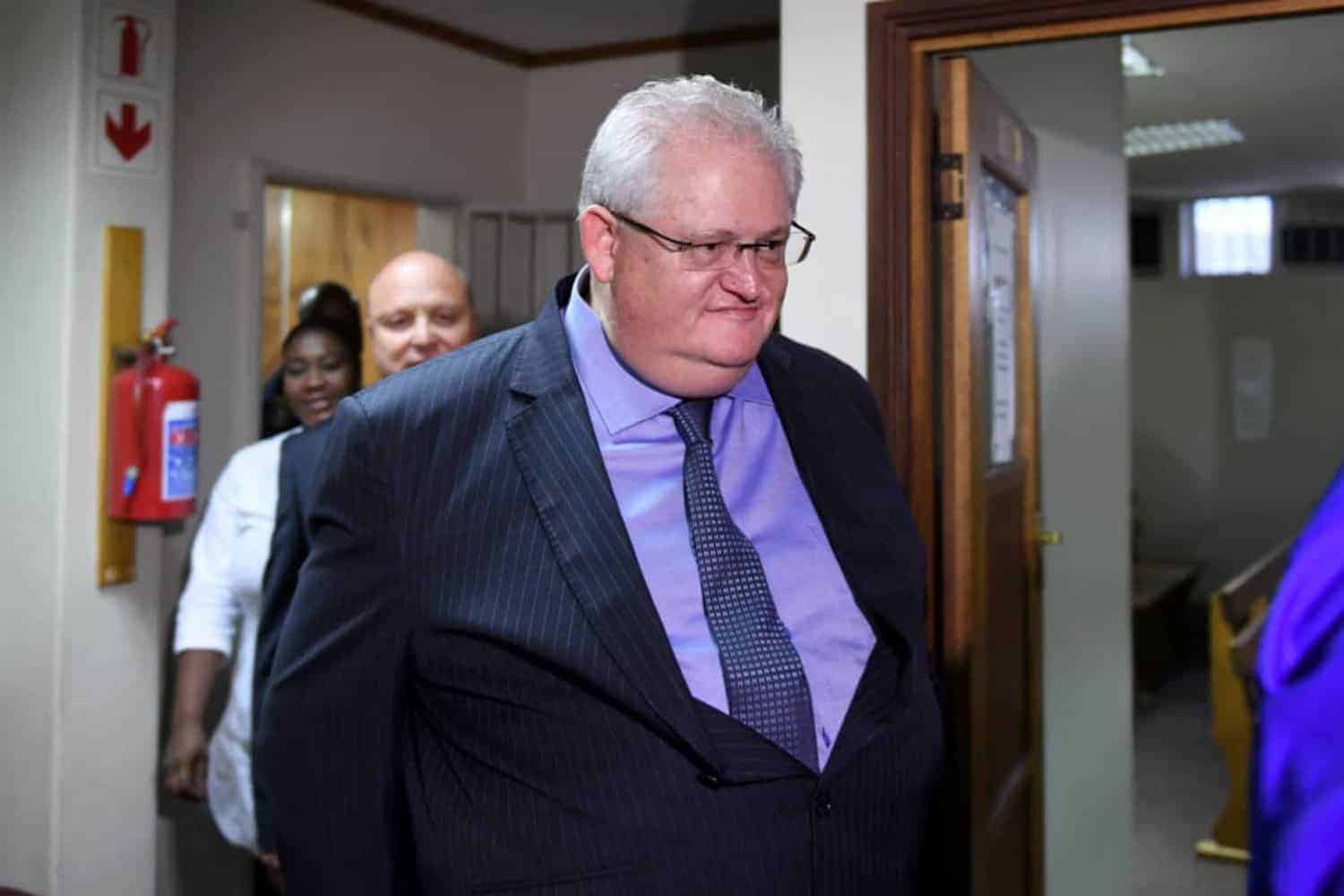
JUST IN: Agrizzi ordered to pay R1.66bn in landmark Bosasa corruption confiscation case
Full Article
Original Source
Read the full article at Citizen →KhanList aggregates and links to publicly available news content. We do not host full articles from third-party sources. Always verify important information with original sources.