
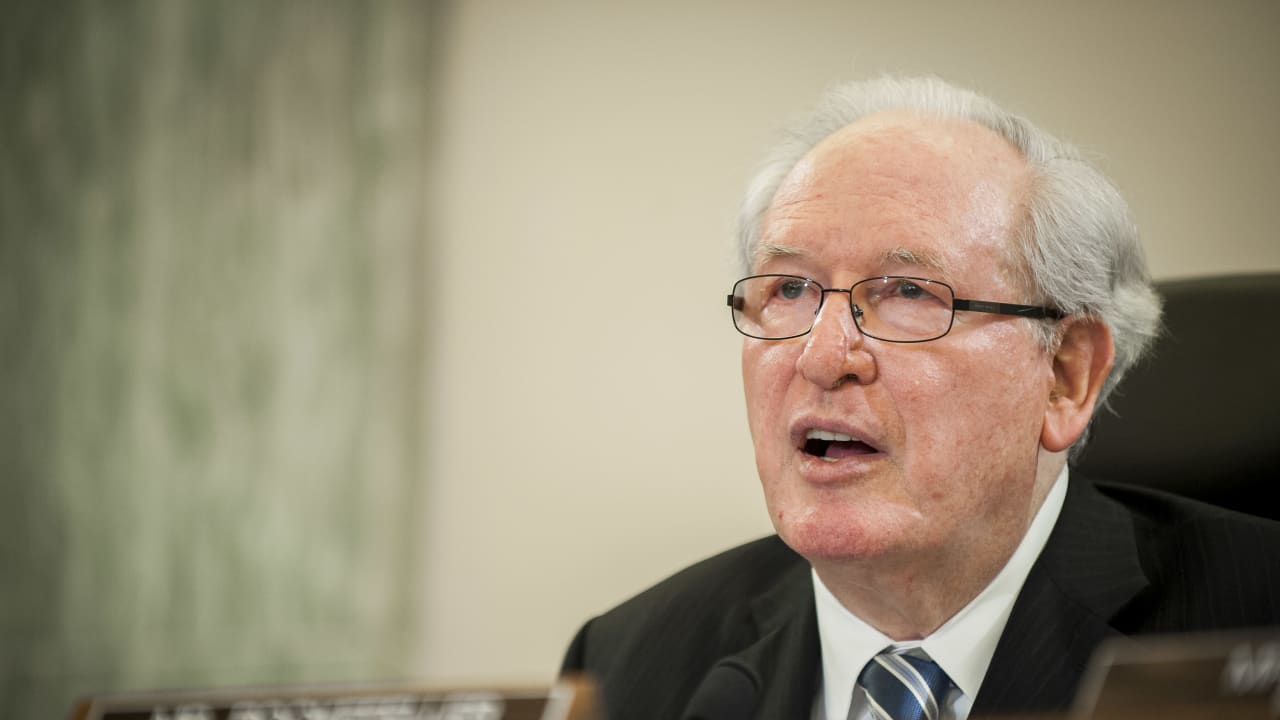
NOVEMBER 6, 2026 15:32John D. "Jay" Rockefeller IV, the progeny of one of America's most famous and wealthiest families who, during three decades in the US Senate, sought expanded healthcare for the poor and excoriated former US president George W. Bush's handling of the Iraq War, died on Friday at his home in Washington, The Washington Post reported. He was 89.His family did not provide a cause, the newspaper added.Rockefeller, a tall, soft-spoken Democrat with liberal views, was elected in 1984 to the first of his five six-year terms representing West Virginia in the Senate after two terms as governor of the poor coal-mining state.Rockefeller voted in 2002 in favor of the Republican Bush's measure authorizing the Iraq war, which began with a US-led invasion in 2003. He later expressed regret over that vote and, as head of the Senate intelligence committee, accused Bush of taking the nation to war on "false premises."He was a great-grandson of oil tycoon John D. Rockefeller and the scion of a family that formed a political dynasty that included his uncle, former New York governor Nelson Rockefeller.American oil magnate and philanthropist, John Davidson Rockefeller (1839 - 1937) at work in his study. (credit: Hulton Archive/Getty Images)Graduated from Harvard, joined West Virginia national service programNew York-born Jay Rockefeller's life changed direction after he graduated from Harvard and served in a national service program in impoverished rural West Virginia from 1964 to 1966.When he was put in public office, he worked to increase healthcare access, fight poverty, provide health benefits to coal miners, and assist military veterans. As a senator, he helped shape the program created in 1997 under which the US government helps states provide medical coverage for millions of uninsured children.Rockefeller backed former US president Bill Clinton's failed proposal for near-universal health insurance coverage in the 1990s and then fought for former US president Barack Obama's successful quest for a healthcare overhaul law, signed in 2010.In the debate over Obama's measure, Rockefeller unsuccessfully sought to have the federal government offer a medical insurance program to the general population — in addition to existing programs for the poor and elderly — as an alternative to private insurance plans that could be costly and exclusive."Championing those most in need has been my life's calling, and I will never stop fighting to make a difference for the people who mean so much to me," Rockefeller said in 2013 when he announced at age 75 he would not seek a sixth Senate term.Before the Iraq invasion, Bush's administration built the case for war by touting intelligence indicating Iraq owned an arsenal of weapons of mass destruction — they actually did not exist — and alleged ties between Iraqi leaders and the al Qaeda network responsible for the September 11, 2001, attacks on the US."If I had known then what I know now, I would have voted against it," Rockefeller told the Charleston Gazette newspaper in 2004, referring to the 2002 war authorization measure."I think the intelligence was shaped," he continued. "And I think the interpretation of the intelligence was shaped. You had a president who we now know was determined to go to war."'Fundamentally misleading'A report from the intelligence committee issued in 2008, when he served as its chairman, asserted that Bush, former US vice president Dick Cheney and other leading officials exaggerated intelligence findings and ignored disputes within US intelligence circles about Iraq's weapons and the hotly disputed ties to al Qaeda.The report rejected pre-war statements by Bush and Cheney that Iraq might give al Qaeda weapons of mass destruction."Representing to the American people that the two had an operational partnership and posed a single, indistinguishable threat was fundamentally misleading and led the nation to war on false premises," Rockefeller said as the report was released.During his Senate tenure, he also headed the Commerce, Science, and Transportation and Veterans Affairs committees.Rockefeller was born on June 18, 1937, weeks after the death of his great-grandfather, America's richest man.The Rockefeller name came with high expectations. His father was a famous philanthropist. His uncle Nelson served as US vice president, as well as governor of New York. His uncle David Rockefeller headed Chase Manhattan Bank, and his uncle Winthrop Rockefeller was governor of Arkansas.He was elected to West Virginia's legislature in 1966 before age 30, then elected West Virginia's secretary of state in 1968.He lost a bid to become governor in 1972, then served as a college president before being elected governor in 1976. Rockefeller, who became one of the wealthiest members of the US Congress, spent millions of dollars of his own money to bankroll his successful campaign for the US Senate in 1984.Rockefeller sometimes found himself overshadowed by his state's other senator, Robert Byrd, who died in 2010 at age 92 as the longest-serving member of Congress in US history.He usually backed his state's coal and steel industries but angered coal executives in 2012 by fighting Republican efforts to prevent regulation of emissions from coal-fired power plants.He was married to public television executive Sharon Percy Rockefeller, with whom he had four children.Follow us on Google
Jay Rockefeller, heir to famed dynasty and healthcare advocate in US Senate, dies at 89
Full Article
Original Source
Read the full article at Jpost →KhanList aggregates and links to publicly available news content. We do not host full articles from third-party sources. Always verify important information with original sources.