
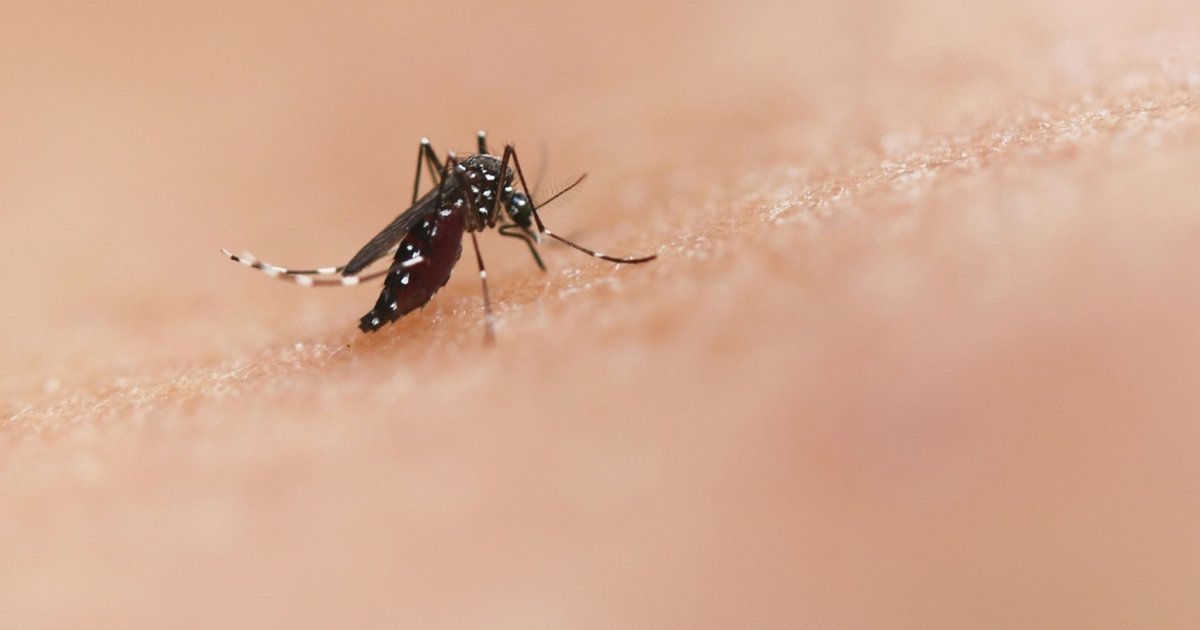
TOKYO – A team of researchers from Japanese and US universities has identified a gene in yellow fever mosquitoes key to the mechanism of mating.The discovery could lead to new strategies for controlling reproduction of the insect, the team said in an international journal published on Oct 28.The gene is responsible for males being drawn to the sound of the wingbeat of females. Mutating this gene, known as the fruitless gene, in males makes them incapable of locating female mosquitoes to mate, according to the team, comprising researchers from Nagoya University and the University of Iowa.Besides yellow fever, the mosquito also transmits diseases such as dengue fever and the Zika virus.The fruitless gene is known to generate sex differences in neural function in fruit flies. The team found that by mutating this gene, male mosquitoes failed to form swarms and did not respond to females’ wingbeats.In addition, their hearing function was significantly impaired, according to the research published in PLOS Biology.Azusa Kamikochi, a neuroscience professor at Nagoya University, said: “Targeting this gene may lead to finding ways to control their reproduction.”Male yellow fever mosquitoes are known to form swarms at dusk, where they detect the relatively low-pitched – approximately 450 hertz – wingbeat of females, approach them and mate. After mating, females seek out hosts to feed on their blood and then lay eggs.Previously, the detailed mechanism behind this behaviour had not been fully understood. KYODO NEWS
Japan and US university researchers identify gene key to mating of yellow fever mosquitoes
Full Article
Original Source
Read the full article at Straitstimes →KhanList aggregates and links to publicly available news content. We do not host full articles from third-party sources. Always verify important information with original sources.