
OCTOBER 27, 2026 22:06Updated: OCTOBER 27, 2026 22:19No clear winner emerged in Israel’s election, according to exit polls published by Channels 11, 12, and 13 on Tuesday night, all of which showed both Prime Minister Benjamin Netanyahu’s bloc and the opposition bloc seeking to replace him falling short of a 61-seat Knesset majority.The opposition bloc, comprising Yashar, B’Yachad, Yisrael Beytenu, and the Democrats, was projected to win 50-53 seats, compared with some 50 for Netanyahu’s bloc. Neither side appeared to have a clear path to forming a coalition.The Joint List and Ra’am were projected to win a combined 17-18 seats, potentially making Arab parties pivotal to coalition negotiations. However, opposition leaders have largely ruled out forming a government with the Arab parties, barring the Democrats' Yair Golan.Netanyahu’s Likud was projected to receive 24-25 seats and was set to remain the largest party in the next Knesset, while Gadi Eisenkot’s Yashar was expected to win 21-23 seats, according to the exit polls.Most recent polling ahead of the Tuesday vote had shown neither Netanyahu’s bloc nor the opposition bloc as managing to secure a 61-seat majority. Voter turnout reached its highest level since at least 1973, according to Central Elections Committee records, which have tracked turnout at set times throughout Election Day since then.Campaign posters featuring Prime Minister Benjamin Netanyahu and Gadi Eisenkot are seen in Tel Aviv, October 22, 2026 (credit: MIRIAM ALSTER/FLASH90)The small right-wing parties hovering near the electoral threshold, Ofer Winter’s People of Israel and Yoaz Hendel’s The Reservists-Economic party, were both projected to fall short of the required 3.25% threshold, potentially further complicating efforts by Netanyahu’s bloc to secure a majority.Could Israel be heading toward a unity gov't - or another election?The prospect of a unity government involving Netanyahu and Eisenkot appeared unlikely, as Eisenkot has rejected serving under Netanyahu, including in a rotation government. Other opposition leaders have also ruled out joining a coalition led by the prime minister.Eisenkot has called for the leader of the largest party in the opposition bloc to become its candidate for prime minister, though no agreement on the arrangement has been announced within the bloc.The exit polls also raised the possibility of a minority government that could win a Knesset confidence vote without holding an absolute majority of 61 seats. However, opposition within the bloc to relying on Arab parties could complicate such an arrangement.Official results to be determined after ballots are countedThe exit polls have differed from final results in previous elections, and the official results will be determined after ballots are counted.The political deadlock could ultimately lead to another election, although coalition negotiations may still produce an agreement between the parties.In the opposition bloc, Naftali Bennett’s B’Yachad is projected to be the third-largest party, receiving 12-14 seats according to exit polls.Avigdor Liberman’s Yisrael Beytenu was projected to receive 7-9 seats, while Yair Golan’s Democrats stood at 9-10, exit polls showed.Meanwhile, in the Netanyahu bloc, National Security Minister Itamar Ben-Gvir's Otzma Yehudit party was projected to win 6-7 seats, while the Religious Zionist Party-Zehut, led by Finance Minister Bezalel Smotrich, was projected to win 6 seats.The major (haredi) ultra-Orthodox parties are set to receive a combined 12-13 seats, with Shas getting 6 seats and United Torah Judaism (UTJ) earning 6-7 seats, according to the exit polls.Follow us on Google
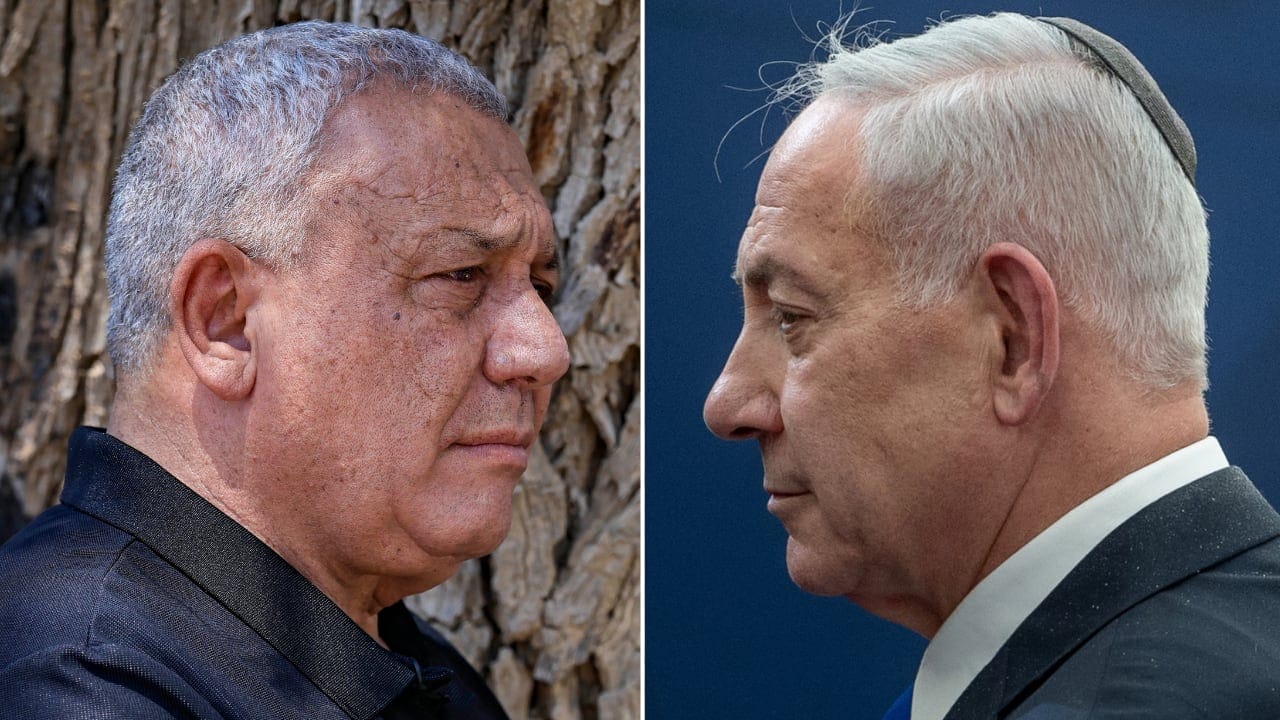
Israel election exit polls: Netanyahu, Eisenkot deadlocked as both blocs fall short of majority
Full Article
Original Source
Read the full article at Jpost →KhanList aggregates and links to publicly available news content. We do not host full articles from third-party sources. Always verify important information with original sources.