
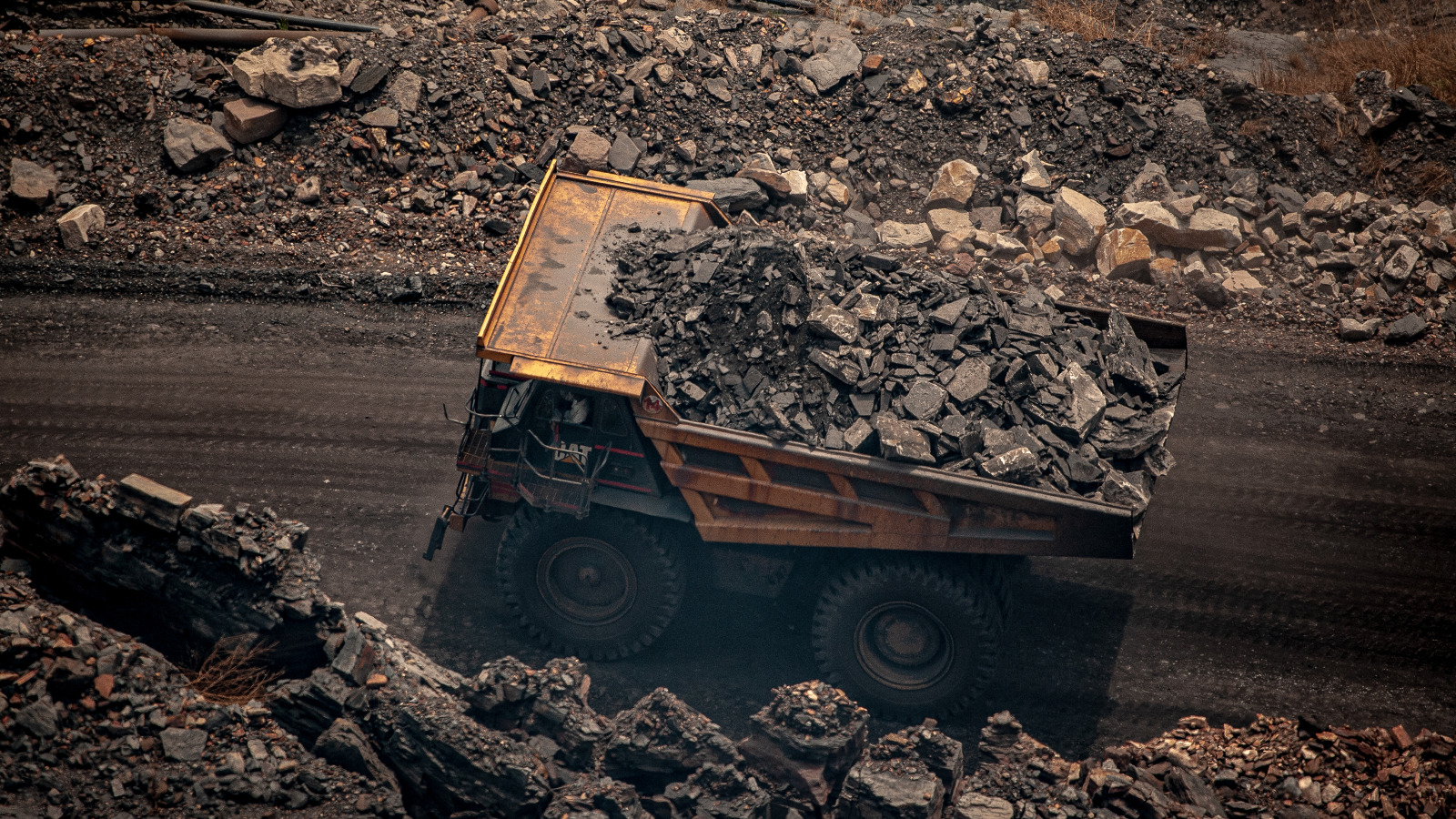
Coal was on the way out. That’s how it looked last year, anyway, when the International Energy Agency forecast that global demand for the dirtiest fossil fuel had plateaued and was poised to start declining. But this year hasn’t gone as expected. The agency recently projected that coal consumption will climb to a record high of 8.94 billion metric tons in 2026. Headlines have declared that coal is “back in fashion” and making a “comeback.” So what changed? Blame it on the war in Iran, which choked off a chunk of the world’s oil and gas supply in the Strait of Hormuz and thrust the world into an energy crisis. Many countries turned to coal as a replacement. “The main thing is that coal is going up because gas is going down,” said Daan Walter, who leads strategy research on the future of energy for the think tank Ember. As for the idea that there’s a revival of coal, energy experts aren’t convinced. “I think it’s important to distinguish between a small short-term bump in coal use and a genuine resurgence of the coal industry,” said Christine Shearer, a coal analyst at Global Energy Monitor, which tracks coal plants and other energy projects. According to some experts, there’s a more convincing case that the crisis will accelerate the adoption of renewables and clean technology. Nearly every country around the world agreed to “phase down” coal at an international climate conference in Glasgow five years ago. Coal is the dirtiest source of electricity, releasing more carbon and more air pollutants, for every unit of energy generated, than oil or natural gas. Mining companies and right-leaning politicians are using the energy crisis to argue for more coal. In June, the International Energy Agency said that investment in coal reached its highest level in 14 years. David Crisafulli, the premier of the Australian state of Queensland, recently said he’d welcome proposals for new coal-fired power stations to power Anthropic’s AI data centers. The mining company Northback is now working to reopen a former mine in Alberta, Canada, that closed almost 60 years ago, based on recent projections that the world will be in need of coal in the next decade as well as the prospect of profits. “There’s a big sugar rush right now,” Walter said. But soon enough, the sugar crash may set in, perhaps in the years before these projects are completed. “They’re all rushing in, and they are all making, I think, reckless business plans,” he said. The other half of the story is that the oil and gas crunch has also pushed countries toward renewables and clean technology, perhaps permanently destroying demand for oil. President Donald Trump and Israel’s attack on Iran in February sent oil and gas prices skyrocketing so high that some journalists compared it to putting a tax on carbon. It was the second oil shock in recent years, following Russia’s invasion of Ukraine in 2022, and as a result of this unpredictability, countries are viewing wind and solar as a more secure option than fossil fuel imports. Read Next The world is also seeing increased demand for electricity, for powering AI data centers as well as more AC units as temperatures rise. But much of this additional demand is being met by wind and solar. This growth in clean power has been one of many factors cushioning the economic effects of the oil shock so far, the International Monetary Fund said in a report on Monday, though it warned that the world was nearing the “limits of resilience” to withstand future shocks. It almost creates a sense of whiplash to see headlines that the world is entering an “age of electricity” alongside others saying that coal is on the upswing. Yet both can be true. “The immediate response to an energy crisis can be more fossil fuel use, even as the longer-term response is to reduce dependence on those fuels altogether,” Shearer said. Take India. This week, the head of its power sector said the country might be forced to add much more coal-fired power capacity than planned, driven by growing demand and lower hydroelectric output thanks to weaker monsoon rains. At the same time, India is aggressively building clean energy. The country has quadrupled its renewable capacity to about 300 gigawatts over the past decade, meaning that it’s well ahead of schedule for meeting its climate targets under the Paris Agreement. Coal boosters might celebrate their industry’s growth over the next handful of years. But coal is simply taking up a larger share of the energy generated from fossil fuels, a slice that’s on track to shrink compared to other energy sources, Walter said. He likened it to being the most powerful man on the Titanic. “It’s a great party to have for a couple of hours, but then you’re going down with the ship.”
Is coal really making a comeback?
Full Article
Original Source
Read the full article at Grist →KhanList aggregates and links to publicly available news content. We do not host full articles from third-party sources. Always verify important information with original sources.