
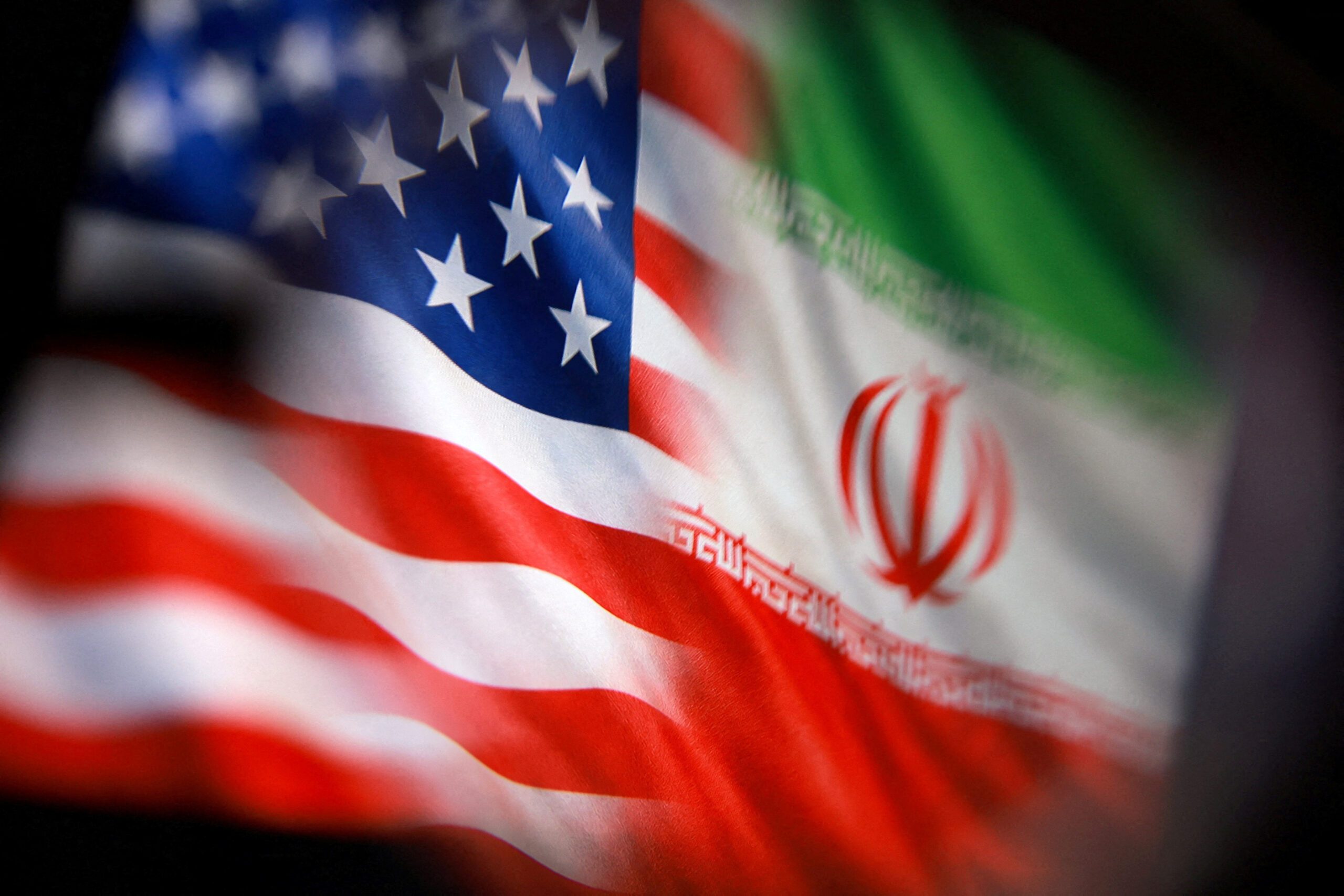
CRISIS. US and Iranian flags are seen in this illustration taken March 23, 2026. REUTERS 'If Iran cannot trade, if Iran cannot live, no one will be able to trade or live. The Strait of Hormuz is the strait of our dignity and honor, and it will not be allowed for the country's enemies to use this major logistical chokepoint while the Iranian people are deprived,' says Iranian army commander-in-chief Amir Hatami Iran's armed forces are prepared for confrontation with the US, rejecting a proposal to reopen the Strait of Hormuz and end fighting. US President Trump has dismissed Iran's proposal, asserting that the US controls the waterway and suggesting a potential renewed bombing campaign after the midterm elections. Iranian officials emphasize their readiness for negotiations on various issues, including their nuclear program, but refuse to concede on key rights and will defend against perceived threats. This is AI-generated. Read the article for full context. Report any errors. DUBAI, UAE – Iran’s armed forces are prepared for any renewed US attacks, state media quoted army spokesperson Mohammad Akraminia saying on Sunday, after US President Donald Trump said he rejected an Iranian proposal to reopen the Strait of Hormuz and end fighting. Akraminia said Iran’s armed forces were fully prepared for confrontation and warned that the US would suffer greater damage if it launched another attack on his country. Separately, Iranian army commander-in-chief Amir Hatami said the war was at a critical and decisive stage, adding that Tehran would not accept a situation in which it was unable to trade while foreign powers used the region’s strategic waterways. “If Iran cannot trade, if Iran cannot live, no one will be able to trade or live. The Strait of Hormuz is the strait of our dignity and honor, and it will not be allowed for the country’s enemies to use this major logistical chokepoint while the Iranian people are deprived.” US President Donald Trump told Axios on Sunday, September 27, that he expected American negotiators to engage in more talks with Iran this week. On Saturday, September 26, he had rejected the Iranian proposal to reopen the Strait of Hormuz and end fighting in the Middle East. Iran raised the initiative at the UN General Assembly in New York, saying it had been transmitted to the Americans via Qatari mediators and that it could reopen the strategic waterway and put an end to hostilities in the region within seven days. But in comments to reporters at the White House, Trump said: “I reject their proposal. … I rejected their deal.“They want to make a deal to open the Hormuz Strait immediately because they’re losing so badly,” he said before leaving for Tennessee. “We’re winning tremendously. “They want to make a deal and I think that’s fine, I like making a deal too. What they want to do is immediately open the Hormuz Strait … because they have no money coming in, because they get their money from the Hormuz Strait,” Trump said. The US has imposed an economic blockade on Iran to put pressure on Tehran to lift its blockade of Hormuz, which has drastically reduced shipping through the strait, even though Trump again asserted that the US had control of the waterway. The Wall Street Journal first reported that Trump had rejected the Iranian proposal, citing unnamed US officials. It said Trump was privately sceptical that Iran would meet his demands and had told his staff that he sees a renewed bombing campaign as likely after the November US midterm elections to Congress. A US official had said earlier that discussions with Iran through mediators were “positive and constructive.” Conflict has disrupted oil flows, harmed global economy The Iranians also engaged their Saudi rivals regarding the Strait of Hormuz, underscoring the stakes of a seven-month-old conflict that has disrupted oil flows through a critical shipping lane and taken a toll on the global economy. Iranian Foreign Minister Abbas Araqchi told reporters at the United Nations on Friday, September 25, the proposed deal would trigger a seven-day countdown to reopening the strait and a pause in regional fighting. “If there is seriousness on the US side to come to a deal and reopen the Strait of Hormuz, everything is now prepared,” Araqchi said. If the US were to agree, the warring parties could start wider talks “on mutually agreed subjects.” That could potentially include discussions of Iran’s nuclear programme. Trump has said Tehran must never acquire a nuclear bomb, while a senior Iranian official told Reuters that Iran would show no flexibility over its nuclear program even if the US accepted its peace deal. Iran would grant no concessions over its rights, including enriching uranium or shipping its highly enriched uranium out of the country, the official said. Iranian President Masoud Pezeshkian, in an interview with the CBS show “Face the Nation,” said Tehran was ready for talks on its nuclear programme and other issues, but would not accept “bullying or coercion.” “Iran is not seeking war, but will defend itself against pressure, threats and attacks,” Pezeshkian said, adding that it had already agreed that “we’re not supposed to develop nuclear weapons.” Previous attempts at diplomacy have failed to end the war, which began on February 28 with US and Israeli attacks. Since then the war has alternated between pauses and renewed strikes, killing thousands while degrading Iran’s conventional forces and damaging Iran’s already ailing economy. Iran and its allies have retaliated by extending the conflict throughout the region. Iran has struck US allies in the Gulf with drones and missiles while its Houthi allies in Yemen have targeted Saudi interests. – Rappler.com How does this make you feel? Loading
Iran’s army voices readiness for potential renewed US attack
Full Article
Original Source
Read the full article at Rappler →KhanList aggregates and links to publicly available news content. We do not host full articles from third-party sources. Always verify important information with original sources.