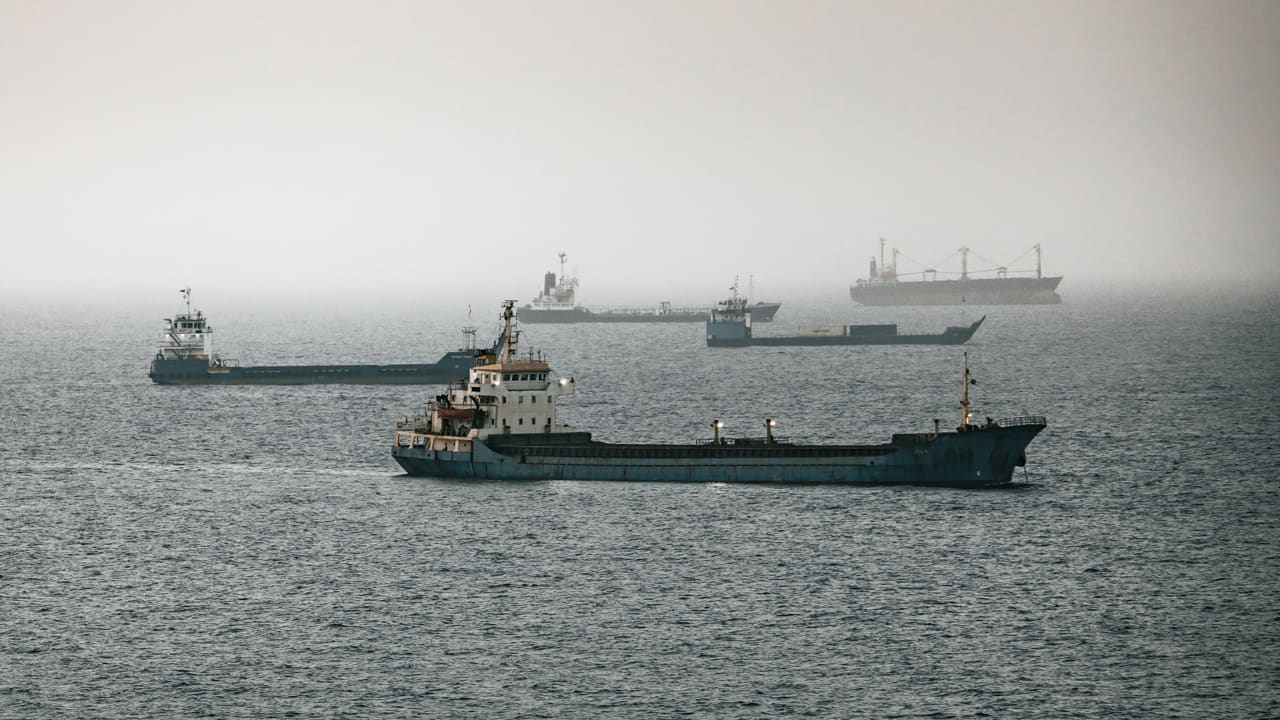
ByJERUSALEM POST STAFFJULY 19, 2026 15:39Iran exported roughly 70 million barrels of oil worth an estimated $5 billion to $6 billion during a month-long suspension of the US blockade, rapidly rebuilding a financial buffer before restrictions returned, The Wall Street Journal reported on Sunday.Beginning in late June, about 20 Iranian tankers carrying oil arrived in waters off Malaysia’s east coast. The Diona was among the first vessels to reach the area, followed by the Hero II and the Sonia 1. The Stream arrived on July 13.Analysts believe the shipments’ ultimate destination is China, which remains Iran’s principal market for sanctioned crude oil.Estimates compiled by United Against Nuclear Iran, a US-based advocacy group, and oil analysts indicated that Tehran moved about 70 million barrels during the window between mid-June and mid-July.Some 50 million barrels left Iran during the second half of June alone, roughly equivalent to one month of prewar Iranian exports to China, according to the advocacy group. The shipments followed a temporary US-Iran agreement signed on June 17 that withdrew the blockade, allowing tankers loaded at Iran’s eastern port of Chabahar to sail toward Asia. Several Iranian tankers had already begun moving through the Strait of Hormuz as the earlier blockade neared its end.An Oil tanker named Yu fu Zuo unload imported crude oil at the crude oil terminal of in Qingdao port, in China's eastern Shandong province on July 16, 2026. (credit: CN-STR / AFP via Getty Images)Renewed fighting closes Iran’s export windowThe temporary arrangement began to collapse after Iran attacked commercial ships in the Gulf on July 6 and 7. US forces responded with repeated waves of strikes targeting Iranian missile sites, coastal defenses, naval assets, communications infrastructure and other military facilities linked to threats against shipping.US President Donald Trump subsequently ordered Central Command to restore the blockade of vessels traveling to or from Iranian ports beginning on July 14. CENTCOM said its previous blockade had redirected more than 140 vessels and disabled nine ships that did not comply with its instructions.After the blockade was restored, US aircraft struck coastal defense systems and cruise missile storage and launch sites on Greater Tunb Island. Further strikes were reported around Ahvaz, Bandar Abbas, Konarak, Sirik and Qeshm, although accounts of the targets and damage varied.Iran responded by launching missiles and drones toward US military facilities and countries hosting American forces, including Bahrain, Kuwait and Jordan. The renewed fighting sharply reduced commercial movement through the waterway, with only six vessels recorded transiting the strait on July 12, the lowest number in five weeks.The oil shipped during the truce was sent toward the Eastern Outer Port Limits, an area outside Malaysia’s territorial waters and approximately halfway between Iran and China.There, vessels carrying Iranian crude use large hoses to transfer their cargo to other tankers while at sea. The receiving ships generally continue toward privately owned Chinese plants known as teapot refineries, which purchase the oil at a discount.The ship-to-ship transfers obscure the oil’s origin and make it more difficult for US authorities to identify sanctioned cargoes, vessels and intermediaries involved in the transactions.Tehran could receive billions in oil revenue over coming monthsThe increase in Iranian vessels arriving in Asian waters during July means Tehran could receive billions of dollars in oil revenue over the coming months, even as the renewed blockade restricts additional exports.“If they had left the blockade on, the pinch would likely have hit about now,” Charlie Brown, a Singapore-based analyst with United Against Nuclear Iran, told the Journal.Brown said that once the blockade was lifted, Iran “quickly surged more oil…so there is a big buffer again.”The oil already transferred or dispatched toward China could therefore continue generating revenue after the renewed blockade, limiting the immediate economic impact of Washington’s latest pressure campaign.“Iran’s economy is in its worst shape since the revolution, so every dollar of revenue matters,” said Jonathan Panikoff, a Middle East expert at the Atlantic Council.Panikoff assessed that the Iranian government would probably prioritize the revenue for its strategic objectives, particularly its ongoing confrontation with the US.Follow us on Google
Iran used brief US truce to build $6 billion oil buffer - report
Full Article
📰 Original Source
Read full article at Jpost →KhanList aggregates and links to publicly available news content. We do not host full articles from third-party sources. Always verify important information with original sources.