
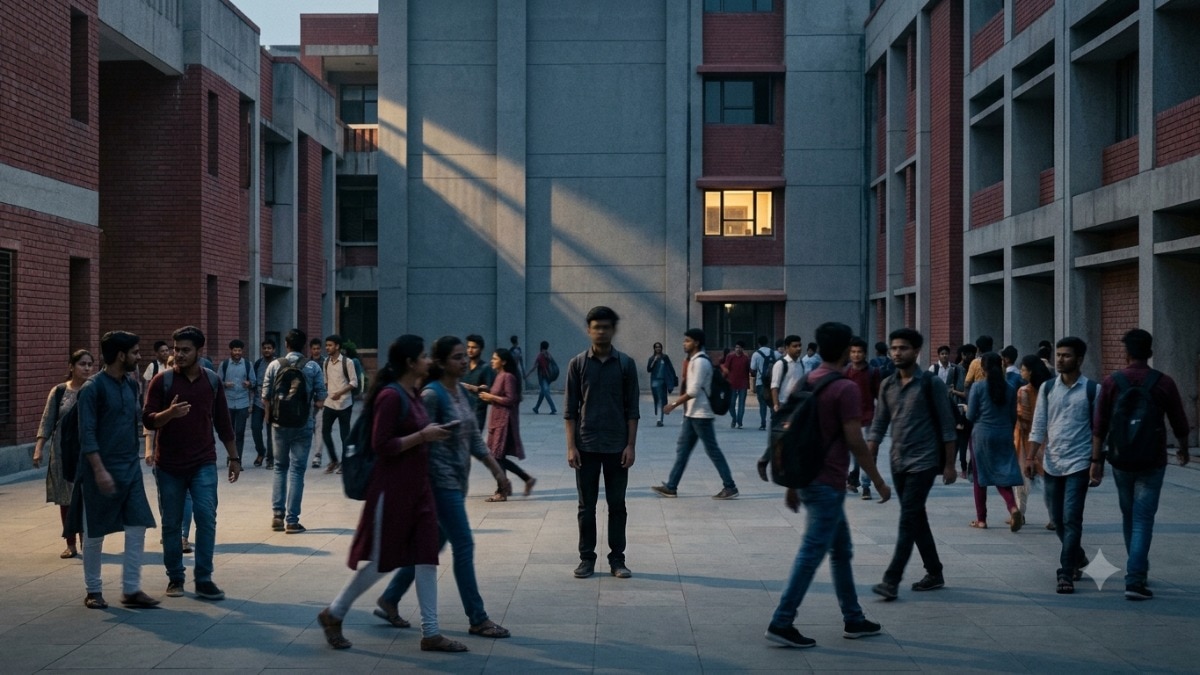
At least 171 IIT students died by suicide or other unnatural causes between 2006 and September 2026, according to a compilation based on RTI responses and media reports. The figure is stark—but it is only the visible edge of a deeper crisis. An analysis of the data flags troubling patterns linked to campus location, academic calendars, student groups and caste.Between 2006 and 2015, the compilation records 51 student suicides and unnatural deaths at IITs. Between 2016 and September 2026, that figure rises to 120—more than double.Shared by Dheeraj Singh, an IIT Kanpur alumnus and founder of the Global IIT Alumni Support Group, the compilation draws on information obtained through RTIs from IITs, government departments and police over several years.It is not a single, centralised official database. The findings must therefore be read with that limitation in mind—but the absence of a central database is itself a serious concern when institutions are expected to prevent student deaths and respond to mental-health distress. (AI-generated image) 82% OF RECORDED SUICIDES OCCURRED ON CAMPUSAccording to Singh’s analysis, around 82% of the recorded suicides occurred within IIT campuses. That finding raises an uncomfortable question: if most deaths occurred in institutional spaces, how effectively are campuses identifying distress, responding to warning signs and making help accessible before a crisis becomes fatal?The location of a death does not, by itself, establish its cause. Understanding the circumstances requires case-level evidence and careful investigation, rather than assuming that every death resulted from campus pressures.EXAM AND RESULT MONTHS UNDER SCRUTINY The compilation points to a reported pattern in which deaths peak during examination and results months, then decline during semester breaks. IIT student suicides and unnatural deaths by month (September 2006 to September 2026) (Data by Dheeraj Singh) If confirmed through a month-wise breakdown, the pattern would have immediate implications for institutions: counselling services, faculty outreach and crisis support may need to be strengthened precisely when academic pressure is at its highest.The last 20 years of data also show a sharp drop in recorded IIT student suicides during the Covid lockdown years of 2020-21, when classes were largely suspended and examinations were not conducted in the usual manner. (AI-generated infographic) The pattern alone cannot establish that examinations or results caused individual deaths. But it raises a question institutions cannot evade: are support systems reaching students when academic stress may be most acute?SC/ST DISPARITY RAISES A HARDER QUESTIONOne of the most concerning findings in Singh’s analysis relates to caste. The data reportedly shows SC and ST students dying by suicide at roughly twice the rate of students from the General category during the period examined.It also suggests that SC and ST students died at younger ages than their General and OBC counterparts.The reported post-Covid comparison is even more pronounced: the suicide death rate among SC students was 2.6 times that of General-category students, while the rate among ST students was 4.2 times as high, according to the analysis.These figures do not establish caste as the cause of any individual death. But they point to a disparity that demands transparent scrutiny. Assessing its scale requires clarity on the periods studied, student population figures and the methodology used to calculate the rates. (AI-generated infographic) MALE BTECH STUDENTS AND FEMALE PHD SCHOLARSSingh’s analysis identifies male BTech students and female PhD scholars as groups accounting for around 60% of recorded suicides over the 20-year period.The finding cannot establish that these groups face the highest risk without comparison with enrolment by gender, degree level and year. Even so, it underscores the need to examine whether undergraduate and doctoral students face different pressures -- and whether institutional support is designed around those differences.THE NUMBERS BEHIND THE WARNINGThe compilation records 51 student deaths between 2006 and 2015, and 120 between 2016 and September 2026. In the latest five-year period—from September 2021 to September 2026—it records 74 deaths.Singh’s analysis also identifies hanging as the method in around 70% of recorded suicides, highlighting the need for evidence-based means restriction, safer hostel environments and timely intervention when warning signs emerge. (AI-generated infographic) For World Mental Health Day on October 10, these figures offer more than another count of lives lost. They expose questions that IITs must answer: when are students most vulnerable, which groups may be underserved, and are campus systems identifying distress early enough to respond?The data cannot explain every death, and it should not be used to assign a single cause.But the reported patterns are too serious to dismiss. They require transparent verification, public accountability and a sustained institutional response—including accessible counselling, trusted reporting channels, trained faculty and wardens, and timely support for students in distress.- Ends
Inside the IIT student suicide data: Patterns hidden behind 171 deaths in 20 years
Full Article
Original Source
Read the full article at Indiatoday →KhanList aggregates and links to publicly available news content. We do not host full articles from third-party sources. Always verify important information with original sources.