
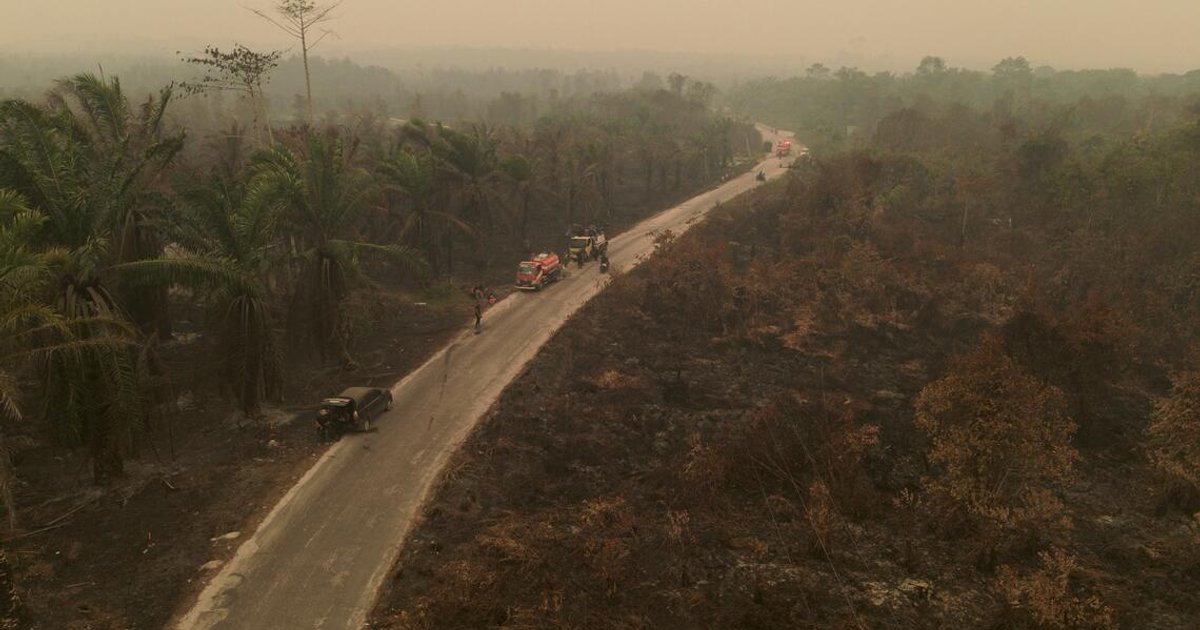
KUALA LUMPUR – The smog blanketing parts of South-east Asia is threatening an army of tiny-but-crucial workers in the region’s palm industry – beetles that pollinate the trees and help keep the world supplied with the most-consumed vegetable oil. Dense smoke and reduced sunlight due to Indonesia’s forest fires can disrupt the activity of weevils carrying pollen from male to female flowers of oil palms, according to the Indonesian Oil Palm Research Institute. Such disturbances have previously been linked to a decline of as much as 20% in the share of flowers that grow into palm fruit, it said, and could once again shrink oil supplies.Indonesia is suffering its worst fire season in over a decade. The resulting haze has disrupted everyday life, agricultural activity and transport in the country. The crisis has been exacerbated by a powerful El Nino weather pattern that has prolonged drought conditions and raised concerns that adverse impacts on palm yields will start emerging in 2027.The threat of reduced pollination adds a layer of risk to an already grim supply outlook for the global palm market. On top of the El Nino impact, the world’s top grower Indonesia is channelling more vegetable oil into biofuels, tightening supplies available for food and other uses and potentially raising costs for consumers. The US Department of Agriculture has forecast palm oil stockpiles to fall to a nine-year low in the 2026-27 season.The ongoing haze may reduce the weevils’ ability to pollinate effectively, said Agus Eko Prasetyo, a crop-protection researcher at IOPRI, who also studied the insects during Indonesia’s devastating fires and haze in 2015. At the time, visits by weevils to female flowers plunged, possibly because of dimmed sunlight and other environmental changes, he said.“A plantation may still have an adequate population of pollinating weevils, but pollination efficiency can decline if the insects become less active in moving between flowers,” Prasetyo said, adding it was too soon to measure the impact of the 2026 smog.During the regional haze crisis of 2015, IOPRI observed a 5%-20% reduction in the proportion of fruits that developed from flowers. Poorer so-called “fruit set” can mean less oil-bearing growth. And because bunches take five to six months to mature after pollination, any impact would only show up in harvests around March or April, Prasetyo said. Impaired pollination can also leave fruit underdeveloped and seedless, resulting in lighter bunches, or in severe cases, causing entire bunches to fail, according to researchers at the Malaysian Palm Oil Board. That could mean less oil extracted and potentially millions in lost revenue, they said, underscoring the critical role that the weevils play in boosting yields and productivity.The insects were brought from Cameroon to Malaysia in the early 1980s, replacing the expensive and labour-intensive practice of pollinating palms by hand. They were introduced to neighbouring Indonesia soon after and have since become the most important insect pollinator of oil palms in the world’s two biggest growers.On Indonesia and Malaysia’s vast plantations, where ageing trees and stagnant yields are already a cause for concern, the combination of haze-impaired weevils and El Nino-induced water stress may extend the impact on productivity long after the skies clear, scientists at IOPRI said.“El Nino and haze can create a double impact on oil palm productivity,” Prasetyo said. “The combined effects of drought and haze could continue to influence palm oil production even after environmental conditions return to normal.” BLOOMBERG
Indonesia haze threatens tiny bugs that power palm oil output
Full Article
Original Source
Read the full article at Straitstimes →KhanList aggregates and links to publicly available news content. We do not host full articles from third-party sources. Always verify important information with original sources.