
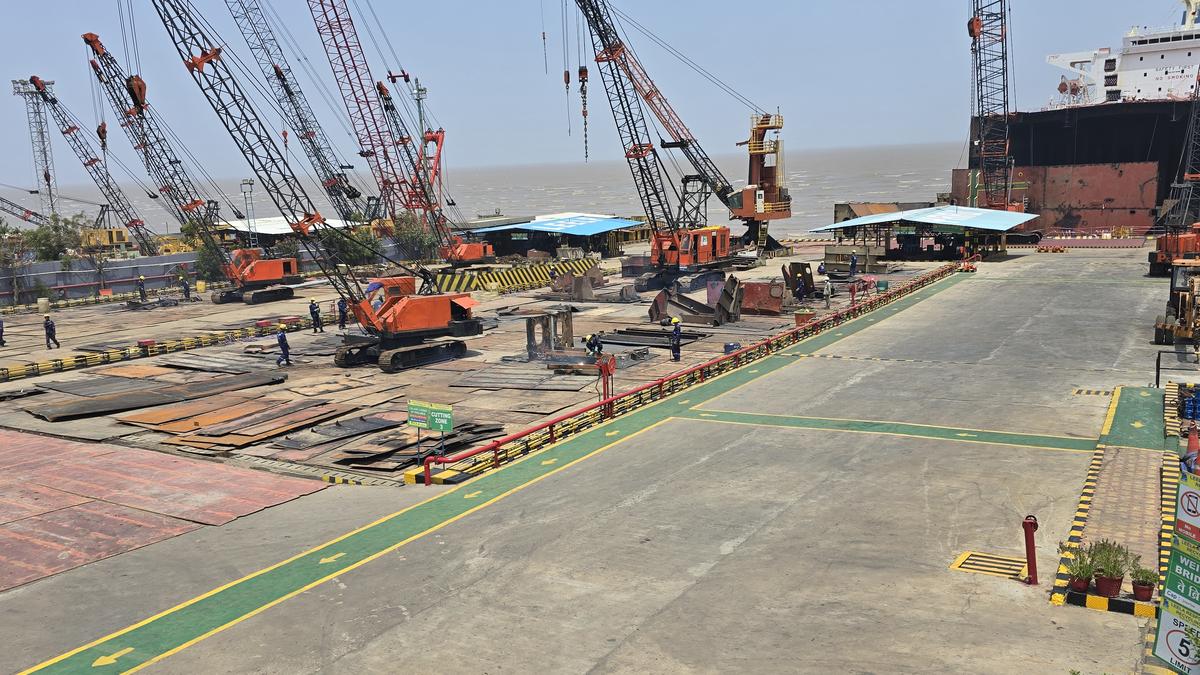
Disruptions and maritime chokepoints are hardly new to global shipping. The United Nations Conference on Trade and Development’s (UNCTAD) 2024 Review of Maritime Transport, titled Navigating Maritime Chokepoints, examined the disruptions in the Red Sea and the drought-hit Panama Canal. The 2025 edition observed that shipping had not experienced such sustained disruption since the Suez Canal closure in 1967. It also flagged the June 2025 Iran-Israel conflict and the resulting concerns over the Strait of Hormuz, although vessel traffic through the passage remained unaffected at the time.Then came 2026, bringing disruptions of unprecedented severity across multiple maritime routes.UNCTAD’s 2026 Review, Shipping at a Crossroads, records a nearly 95% decline in traffic through the Strait of Hormuz by early March, with little recovery even by late July. The strait normally accounts for 37% of global seaborne crude oil shipments. Four critical maritime routes came under simultaneous pressure: Hormuz, the Red Sea, the Black Sea and the Panama Canal.The report advocates “resilience by design”, urging countries to develop and test corridor-continuity plans with neighbouring nations before disruptions occur, rather than responding reactively to each crisis.Indian ports absorbed some of the traffic diverted from affected routes. The larger question, however, is how much of this diversion has translated into a lasting shift in the maritime value chain towards India.India’s merchant fleet, meanwhile, has lost ground. According to the latest Review, Indian shipowners controlled 1,178 vessels with a combined capacity of 28.8 million deadweight tonnes (dwt), accounting for 1.1% of global capacity and placing India 20th worldwide. This compares with 1,244 vessels, a 1.5% global share and 17th position a year earlier. Moreover, 37.3% of Indian-owned tonnage operates under foreign flags.The Indian flag, however, retained its 20th position and registered 6% growth in tonnage. UNCTAD identifies the Merchant Shipping Act, 2025, which relaxes ownership requirements, as a potential catalyst for expanding the Indian shipping registry.Perhaps the most significant forward-looking opportunity highlighted by the report lies in ship recycling. With nearly 42% of the global fleet now more than 20 years old, the combination of ageing vessels, newbuilding deliveries and tightening environmental standards could trigger a fresh recycling cycle. A degree of normalisation in maritime chokepoints could further accelerate the process.India, with its established ship-recycling infrastructure, technical expertise and downstream industrial ecosystem, is well placed to capitalise on this potential fleet-renewal cycle.The country has already strengthened its position in the global recycling market. In 2024, Bangladesh led with a 43.2% share, while India accounted for 33.9%. The positions reversed in 2025, when India topped the market with a 35.4% share against Bangladesh’s 32.3%. Indian yards recycled approximately three million gross tonnes during the year, compared with 2.15 million tonnes previously, with tankers and gas carriers accounting for a significant portion.However, an ageing global fleet does not automatically translate into higher recycling volumes. This has been evident through much of 2026, says Nayeem Noor, Vice-President, Business Development, GMS, one of the leading buyers of ships and offshore assets for recycling.“While recycling activity has picked up at various points during the year, volumes have remained below industry expectations. Healthy freight earnings and attractive second-hand asset values continue to extend the commercial lives of many older vessels,” he says.India’s prospects have also encountered a regulatory setback. The European Parliament recently voted against including two Alang recycling facilities in the European Union’s list of approved ship-recycling facilities. The decision has somewhat dented India’s efforts to establish its yards as environmentally sound and compliant with the latest Hong Kong Convention standards.However, the process is not yet complete. EU member states are still required to vote on the proposed inclusion before the European Commission takes a final decision.Putting the development in perspective, Noor points out that EU-based recycling facilities accounted for only about 2% of global ship-recycling volumes, measured in light displacement tonnage (LDT), between 2018 and 2026. European-owned vessels operating under non-EU flags can also continue to be recycled at Alang, subject to applicable regulations.
India poised to gain from global ship recycling surge amid maritime disruptions
Full Article
Original Source
Read the full article at Thehindu →KhanList aggregates and links to publicly available news content. We do not host full articles from third-party sources. Always verify important information with original sources.