
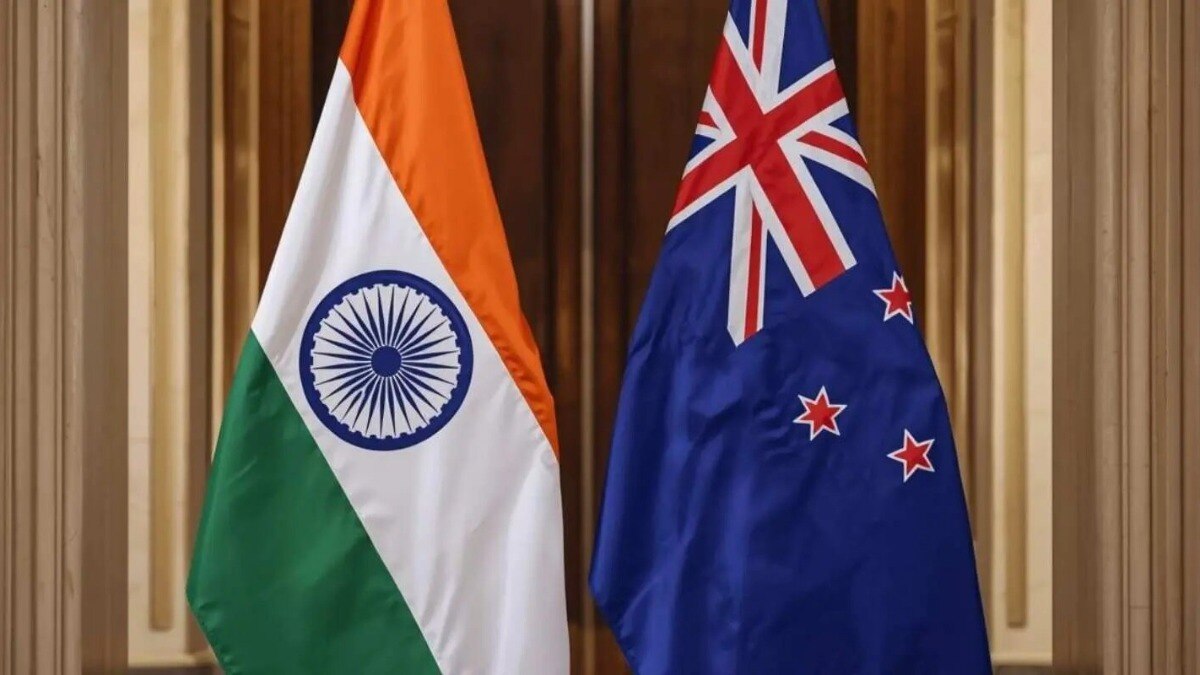
The agreement is expected to boost trade between the two countries, encourage investment in India and create new opportunities for Indian professionals looking to work or study abroad.The agreement was signed in New Delhi on April 27 by Commerce and Industry Minister Piyush Goyal and New Zealand's Minister for Trade and Investment, Todd McClay. New Delhi,Oct 20, 2026 11:13 ISTIndia’s free trade agreement with New Zealand comes into effect on Tuesday, October 20, opening up new opportunities for Indian businesses, skilled workers and students. The deal removes import duties on all Indian exports to New Zealand, making Indian goods more competitive in the market.The agreement is expected to boost trade between the two countries, encourage investment in India and create new opportunities for Indian professionals looking to work or study abroad. It also aims to strengthen cooperation in agriculture while protecting sensitive sectors such as dairy and edible oils from increased import competition.Here is how the agreement could benefit Indians.INDIAN GOODS BECOME CHEAPER IN NEW ZEALANDOne of the biggest gains from the agreement is duty-free access for Indian exports to New Zealand. With tariffs removed on 100% of Indian exports, businesses will no longer have to pay the import duties that previously made some products more expensive in the New Zealand market. Indian exporters in sectors such as textiles, apparel, leather, footwear, gems and jewellery, engineering goods and processed food are expected to benefit. New Zealand had imposed tariffs of up to 10% on several products.Lower duties could help Indian businesses offer more competitive prices, attract new buyers and expand their presence in the market. Small and medium-sized businesses, which often operate on tighter margins, could also find it easier to explore export opportunities. The agreement will also allow Indian manufacturers to import certain industrial inputs, including wooden logs, coking coal and metal scrap, without tariffs. This could help reduce input costs for businesses that use these materials in production.FARMERS GET PROTECTION FROM CHEAPER IMPORTSWhile the agreement opens up the New Zealand market for Indian exporters, India has kept several sensitive agricultural products outside the tariff concessions. These include dairy products, sugar, edible oils, animal meat other than sheep meat, and key agricultural commodities.The move is aimed at protecting domestic farmers and producers from increased competition from imports.Imports of New Zealand apples, kiwifruit and Manuka honey will also be subject to specific conditions, including tariff-rate quotas, minimum import prices and seasonal import windows. These measures are intended to regulate imports rather than allow an unrestricted flow of these products into India.At the same time, the two countries will work together to improve agricultural productivity. Their Agriculture Productivity Partnership will cover areas such as orchard management, post-harvest practices, food safety and sustainable beekeeping.For Indian farmers, this cooperation could provide access to better practices and expertise, potentially helping improve productivity and reduce post-harvest losses.NEW ZEALAND COMMITS $20 BILLION IN INVESTMENTThe agreement also aims to bring more investment into India. New Zealand has committed to facilitate $20 billion in investment in the country, with opportunities across agriculture, manufacturing, infrastructure and startups.The investment commitment could support business expansion and the development of new projects, although the actual benefits will depend on how much investment materialises and where it is directed.India and New Zealand have also set a target of doubling bilateral trade in goods and services to NZ$7 billion, or around Rs 35,000 crore, by 2030.If achieved, the target could create more opportunities for businesses in both countries and strengthen economic ties.MORE WORK OPPORTUNITIES FOR INDIAN PROFESSIONALSThe FTA is not limited to goods and trade. It also expands market access for Indian services companies and professionals across around 118 sectors, including information technology, construction, tourism and professional services.This could make it easier for Indian businesses to explore opportunities in New Zealand and provide services to customers there.The agreement also provides for 5,000 Temporary Employment Entry visas for skilled Indian workers. In addition, 1,000 Working Holiday visas will be available every year for young Indians, offering them an opportunity to travel and work in New Zealand under the scheme.These provisions could open up additional options for Indians seeking international work experience. However, the benefits will depend on eligibility requirements, visa conditions and the availability of jobs.STUDENTS COULD GET LONGER WORK OPPORTUNITIESIndian students pursuing higher education in New Zealand could also benefit from the agreement's provisions on post-study work rights.STEM graduates will be eligible for post-study work rights of up to three years, while doctoral scholars could receive work rights for up to four years.Longer work opportunities after completing a course could help eligible students gain international work experience and explore career options before deciding whether to return to India or pursue other opportunities.The provisions are particularly relevant for students considering science, technology, engineering and mathematics courses, as well as doctoral research.FASTER MARKET ACCESS FOR MEDICINES AND MEDICAL DEVICESIndian pharmaceutical and medical device companies could also benefit from provisions intended to simplify regulatory processes.New Zealand will accept inspection approvals from recognised regulators, including the US Food and Drug Administration, the European Medicines Agency, the UK's Medicines and Healthcare products Regulatory Agency, and Health Canada.This could reduce the need for duplicative inspections and help eligible Indian companies enter the New Zealand market more efficiently, subject to the applicable regulatory requirements.For India's pharmaceutical sector, which has a strong presence in international markets, smoother market access could create additional export opportunities.When was the India-New Zealand FTA signed?The agreement was signed in New Delhi on April 27 by Commerce and Industry Minister Piyush Goyal and New Zealand's Minister for Trade and Investment, Todd McClay. New Zealand's Parliament passed the legislation required to implement the agreement on September 16.With the FTA taking effect on October 20, the focus will now shift to how businesses and professionals use the new provisions.For Indian exporters, the immediate benefit is the removal of tariffs across the New Zealand market. For workers and students, the agreement opens up additional pathways, while the investment and agricultural cooperation provisions could support longer-term economic ties between the two countries.- Ends
India-New Zealand FTA kicks in today: 6 key benefits
Full Article
Original Source
Read the full article at Indiatoday →KhanList aggregates and links to publicly available news content. We do not host full articles from third-party sources. Always verify important information with original sources.