
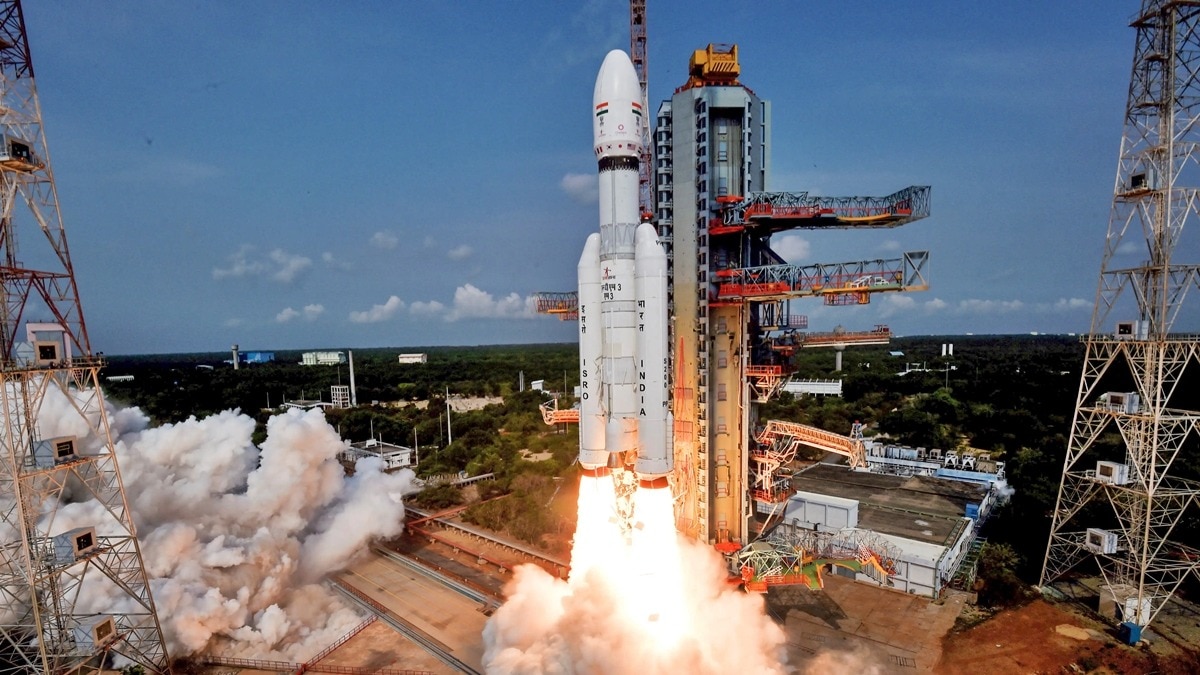
An IN-SPACe report has flagged import dependence, procurement delays and testing gaps in satellite manufacturing in India. These bottlenecks could impede India's ambition to become a global satellite manufacturing hub.The nearly 3-ton rocket body, identified by NORAD ID 56082, was left in an orbit of 450 km altitude. (Photo: Isro)New Delhi,Nov 26, 2026 15:57 ISTIndia's ambitions to become a global hub for satellite manufacturing face a significant challenge, with the country's space industry continuing to depend heavily on foreign suppliers for critical components, high-end subsystems and specialised materials.An IN-SPACe report has flagged long procurement timelines, limited domestic manufacturing capabilities and inadequate testing infrastructure as major bottlenecks holding back the sector.The report, titled Supply Chain Landscape of Satellite Manufacturing in India, highlights that procurement of critical satellite components often takes 12-16 months, resulting in project delays, increased costs and reduced responsiveness to market opportunities.While India has established itself as a cost-effective satellite launch provider and has made significant progress in developing indigenous space technologies, its position in the global satellite manufacturing supply chain remains limited. According to the report, most critical components and high-end subsystems are still imported. The report also identifies limitations in India's testing and certification infrastructure. (Photo: Isro) Isro relies on imported components and materials to develop its systems in-house, while private companies often depend on importing already tested and qualified subsystems from established suppliers. One of the report's key findings concerns the cost of building satellites. Electronic, electrical and electromechanical (EEE) components account for approximately 50% of the overall cost of a typical satellite, making them a critical area for domestic manufacturing.The remaining costs include materials, manpower, facilities and miscellaneous expenses. This highlights the importance of developing indigenous capabilities in space-grade electronics, semiconductors, advanced alloys and batteries.The report also identifies limitations in India's testing and certification infrastructure. The availability of internationally accredited commercial testing facilities remains limited, forcing startups and smaller manufacturers to deal with high costs and long waiting periods for product qualification.Specialised facilities for thermal vacuum, vibration, electromagnetic compatibility and radiation testing are particularly important for ensuring that satellite components can withstand the harsh conditions of space.To address these challenges, IN-SPACe has recommended developing domestic supply chains for critical components, encouraging strategic inventory management and establishing long-term procurement agreements with vendors.It has also called for commercially operated testing facilities and greater private-sector investment in research and development.The report argues that India has an opportunity to move beyond satellite assembly and emerge as a global supplier of complete satellite systems, subsystems and components.However, reducing import dependence and strengthening domestic manufacturing will be crucial if India wants to capitalise on the rapidly expanding global satellite market.- Ends
India heavily dependent on importing satellite components, faces long delays
Full Article
Original Source
Read the full article at Indiatoday →KhanList aggregates and links to publicly available news content. We do not host full articles from third-party sources. Always verify important information with original sources.