
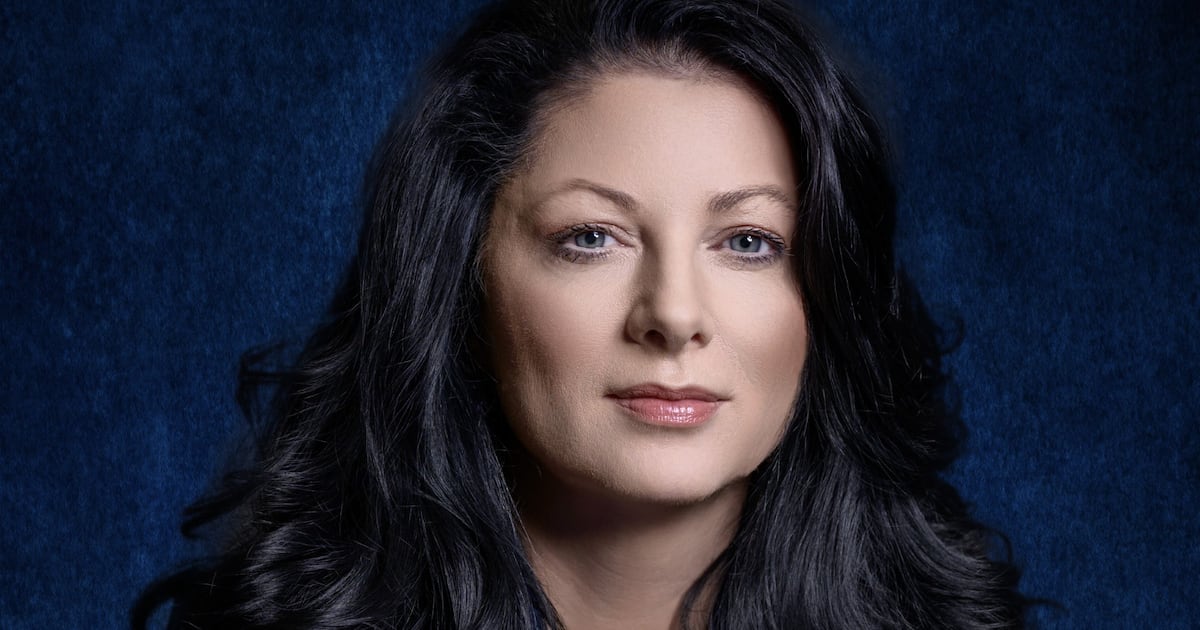
I was born in Cricklewood, or County Cricklewood as it’s known, to Irish parents. That part of London often felt more Irish than Ireland itself.There were five girls, and we were dragged to every Irish dancing competition known, or to the nearby Galtymore Dance Hall. I loved that feiseanna weren’t just competitions, but were about community. When I later moved to Ireland, I found Irish dancing was a lot more competitive and didn’t have the same feeling. My father’s from Castletownbere, Co Cork and my mum’s from Belmullet, Co Mayo. So our trips back to Ireland in the summers would be travelling up and down the country for six weeks at a time.We’d often visit my nan in West Cork. She was originally from Achill but met my grandfather in London before moving back. He was a farmer and fisherman, and they had 11 children.READ MOREShe was absolutely incredible. For dinner she’d pick all the vegetables, and make her own butter and cream. It was constant work. So at night, she’d sit with seaweed on her legs to ease the pain. Around the fire, she’d tell us many different stories, including about seaweed. When my dad was sick as a child, they’d use carrageen moss and milk to help them recover. These stories made an impact on me. One summer I had a really bad breakout of eczema. I tried cortisone and all sorts of products, and it wouldn’t heal. It wasn’t until I went into the sea and just had seaweed around me that it began to get better. And that stayed with me. We moved back to Ireland when I was 12. We bought a pub in Mayo, between Swinford and Bohola. That experience was interesting in itself!In Ireland I was the English girl, whereas I thought I was the Irish girl all along. I had expected I’d fit in very quickly and easily, but there were cultural changes. In England we really celebrated being Irish, but then in Ireland, that culture was just normal. But we loved being back there, we felt we were home.So we sold the pub five years later. And then my parents moved to West Cork, to my dad’s family home. I moved back to London at 19. I wanted to get into fashion – there wasn’t a lot of fashion going on in Dublin. I worked in fashion and beauty for about 30 years, and travelled around the world a lot.I worked at Gant as buying and merchandising director, and at Fred Perry as global commercial director. They were pretty high-powered jobs, but I didn’t feel as though I was doing enough to fulfil what I wanted to do. So I started to look around, and retrained in beauty therapy and aesthetics. [ From Famine to feast: the Irish seaweed revivalOpens in new window ]Through those years, I would often try different products on my skin. But nothing seemed as good as seaweed. Then I set up a clothing and beauty business, Serenity&Grace, with a plan to bring Irish brands global. We had much Irish support, sold occasional and evening wear in House of Fraser concessions, and were about to launch when Covid hit – and the business died a death. During that time I focused on beauty and seaweed, and tried lots of different seaweed products. It gave me so many wonderful feelings of family and connection, almost as though I had a calling.At the moment, everything’s made in Ireland from Atlantic seaweed in small batches, a process which can be challengingThen I found a supplier in Donegal who properly honours seaweed and how to gently extract it, to really make seaweed “a hero”. Seaweeds do so many different things - brown seaweed for anti-ageing, for instance, and green seaweed for detox. This supplier hand-harvests her crop at low tide (often during full moon due to spring tide), because that approach is more sustainable – picking rather than cutting. The products took seven years to develop and are aimed towards improving overall skin health. They can also help with acne, scarring, rosacea and psoriasis, as well as having anti-aging and anti-inflammatory qualities. It also suits men’s larger skin-pores because seaweed molecules are very big. We’ve also had official MTick approval, showing it supports the skin during menopause. The product development took seven years, and then we went around in circles with our brand director over deciding on a name. When it came to a name, our brand director said it had to be called after my nan, Mary O’Malley. So we called it OMALY.At the moment, everything’s made in Ireland from Atlantic seaweed in small batches, a process which can be challenging. It’s a tough industry when you believe in your product and you know it’s good, but you’re competing against so much hype and marketing. Once people start to use the products, they’re telling other people. It’s not about the story of my family, but that the products make a difference to customers, which keeps them coming back. I do hope my nana would be pleased with what I’ve done – I feel like the connection is getting stronger all the time. My children didn’t grow up in Ireland, but have such a strong connection there. They will play on the Irish Korfball (a sport akin to netball and basketball combined) team in Europe next month. They went to Catholic school, so most of their friends are of Irish decent. When Mayo won the All-Ireland final, they suddenly asked me “Did you live in Mayo?” In conversation with Genevieve Carbery. This has been edited for clarity and conciseness. Ann-Marie O’Shea is founder of OMALY, which has seven products, including beauty drops and moisturisers. Omaly.comAre you Irish and living in another country? Would you like to share your experience in writing or by interview? You can use the form below, or email abroad@irishtimes.com. Irish Times Abroad submission guidelines here. Follow us on Instagram to keep up with the latestSign up to The Irish Times Abroad newsletter for Irish-connected people around the world.
‘In Ireland I was the English girl, whereas in London I thought I was Irish’
Full Article
Original Source
Read the full article at Irishtimes →KhanList aggregates and links to publicly available news content. We do not host full articles from third-party sources. Always verify important information with original sources.