
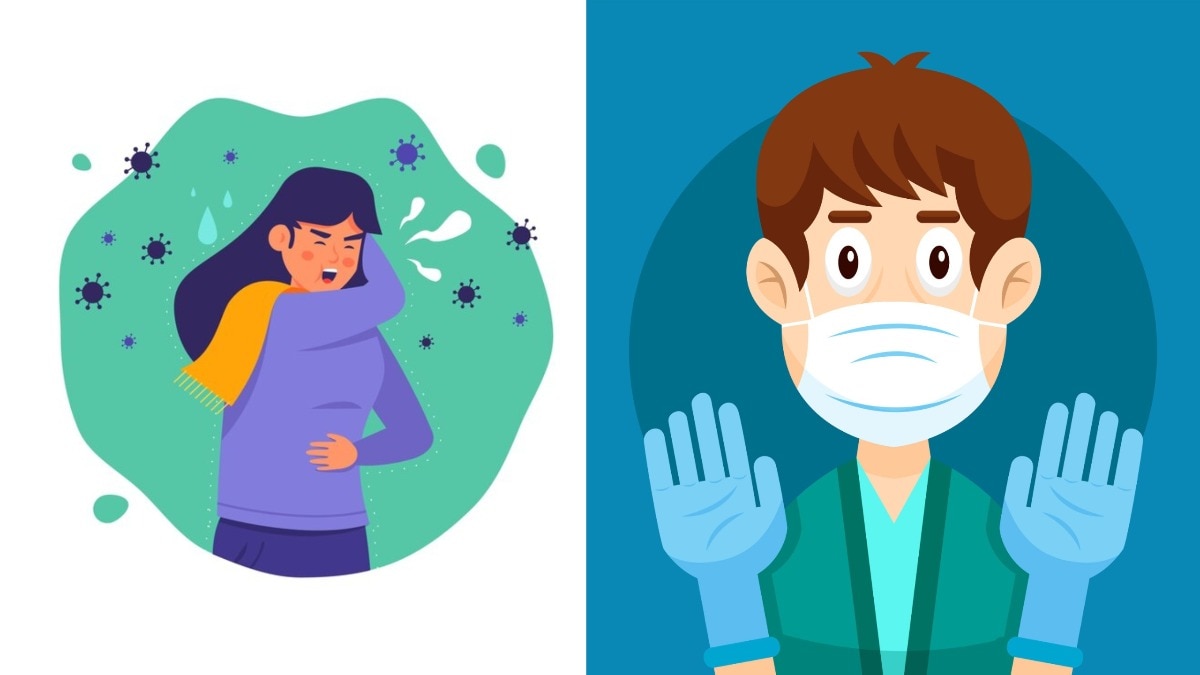
H1N1 cases are rising, but the Indian Medical Association says there is no cause for panic. Its public health advisory calls for heightened vigilance, sensible treatment and rational antibiotic use.H1N1 infections are rising in India, but the IMA says there is no reason to panic and urges people to focus on prevention, timely care and rational antibiotic use. (Image credit: AI/ITG)The rise in H1N1 cases across India has raised concerns, but the Indian Medical Association (IMA) says the situation calls for caution rather than panic. In its Public Health Advisory on Seasonal Influenza A (H1N1), the medical body has called for heightened vigilance, appropriate management of swine flu and rational use of antibiotics. The advisory comes as H1N1 has emerged as the dominant Influenza A subtype in India. ICMR Director General Dr Rajiv Bahl has also said the current rise is consistent with seasonal influenza and does not point to a new or more dangerous strain.H1N1 IS RISING, BUT WHY IS THERE NO NEED TO PANIC?H1N1, commonly called swine flu, is now a seasonal influenza virus rather than a new virus. ICMR has said the strain currently circulating in India is the familiar H1N1 pdm09 virus and that no new strain has been detected.In Delhi, the rise has been particularly noticeable. Government data reported 1,777 confirmed H1N1 cases among 2,392 Influenza A infections recorded this year up to August 20. Despite the increase, most seasonal influenza infections remain self-limiting. Fever, cough, headache and body aches are among the common symptoms, while older adults, young children and people with underlying conditions face a higher risk of complications.WHAT DOES THE IMA ADVISORY MEAN FOR PATIENTS?The message is simple: stay alert, but do not treat every fever or cough as a reason to panic. People with influenza-like symptoms should pay attention to how the illness progresses. Severe or worsening symptoms, particularly breathing difficulty, need medical attention.The IMA has also stressed the importance of managing influenza appropriately rather than automatically reaching for antibiotics.WHY ANTIBIOTICS ARE NOT THE ANSWERInfluenza is caused by a virus, which means antibiotics do not treat the infection itself. ICMR has similarly said antibiotics have no role in treating viral influenza, while antiviral medicines may be considered for people with severe disease or those at higher risk.Unnecessary antibiotic use can also contribute to antimicrobial resistance, making infections harder to treat in the future.The IMA's message, therefore, is not to ignore the rise in H1N1 cases, but to respond sensibly: follow basic respiratory and hand hygiene, stay home when unwell, seek medical advice when symptoms worsen and avoid unnecessary antibiotics.The takeaway is clear, heightened vigilance is necessary, but there is no cause for panic.(With inputs from ANI)- EndsPublished By: vaishnavi parasharPublished On: Aug 26, 2026 12:39 IST
IMA releases advisory on H1N1, urges vigilance but says no cause for panic
Full Article
Original Source
Read the full article at Indiatoday →KhanList aggregates and links to publicly available news content. We do not host full articles from third-party sources. Always verify important information with original sources.