
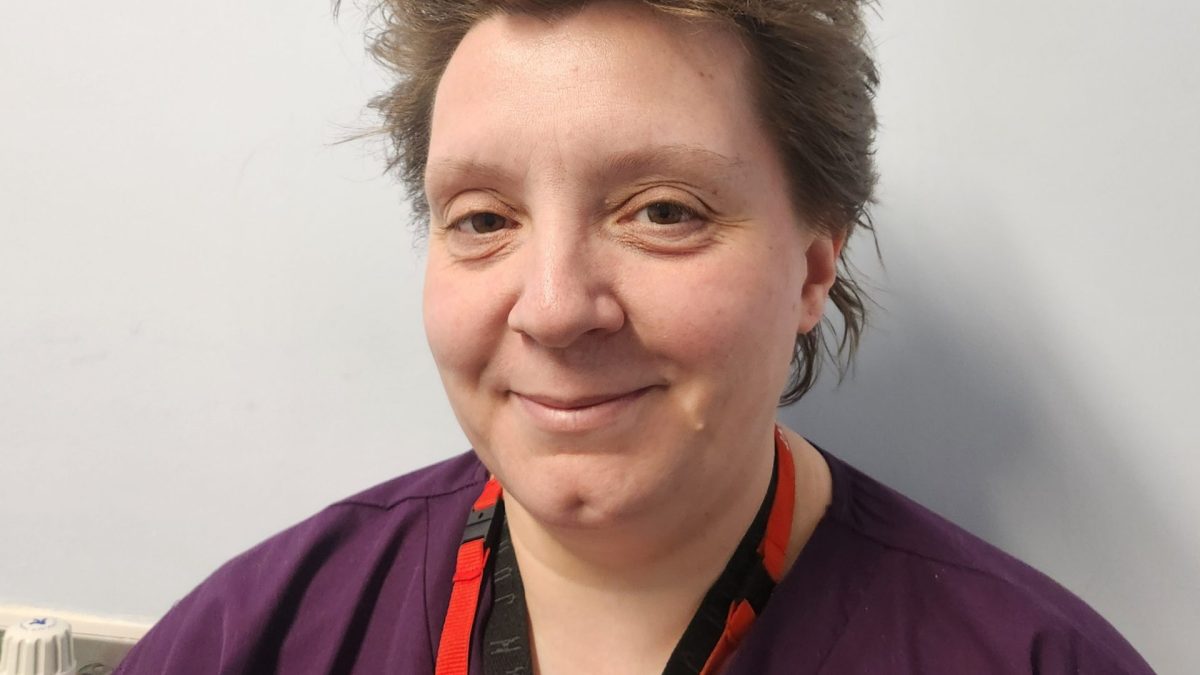
Every day in the UK an average of five people die as a result of a road injury and 78 are seriously injured, according to the road safety charity Brake. These tragedies are all preventable, so how can we make sure we are not making seemingly small, but potentially catastrophic, mistakes when we get behind the wheel? Here, Dr Daniela Burlacu, a consultant in emergency medicine and clinical director of the Emergency Department at West Hertfordshire Teaching Hospitals NHS Trust, explains the common errors drivers make on the road that can result in needing emergency treatment. Shorts Using a mobile phone Anything that creates a distraction from being able to concentrate on the road while driving has the potential to be dangerous. Common examples of this include holding your phone, writing text messages or answering an email. We regularly see people coming to A&E who have had accidents because they were holding their phones to use them in some way while driving. Even talking to someone on the phone hands-free can be distracting, depending on the conversation – anything that requires a lot of attention, or is an unpleasant topic or a source of stress and isn’t just a relaxed discussion could be problematic. If you need to have that conversation at that time, then either pull over or reduce your speed to try to make it as safe as possible. Equally, conversations with other passengers can sometimes distract you and mean you might miss the exit or that you don’t see a car to your side which is overtaking, or miss a stop or give way sign. And other distractions such as using your navigation system mean you have a few seconds when you’re not focused on the road. It’s best to enter that information before you start your journey. Ignoring speed limits We’ve seen many drivers who fail to recognise that you need to drive no more than 30 miles per hour on a 30-mile road, and instead are driving at 50 miles per hour and end up hitting a barrier, a speed bump or an incoming car that they fail to see. We often see this happening to younger drivers, who love to show off their cars and test the limits, and the speed they are driving at means they get into trouble and end up in A&E. However, we do also see a smaller number of older people who have confused the accelerator with the brake, or the other way around, and have ended up hitting someone or crashing into someone’s house. And obviously, because they’re old and frail, they end up injuring themselves as well. If a family member notices that their relative seems more confused, or that their memory appears to be getting worse, then I’d recommend that they tell them not to drive. Driving when tired We often see drivers who have accidents due to them being tired behind the wheel. Fatigue reduces concentration, slows reaction times and can cause microsleeps (when you drift off or feel drowsy for a few seconds) and that will impact how safely they are driving, having the potential to be very dangerous. It’s vital to recognise tiredness early and stop to rest for a bit rather than just try to push on, even if you’re only 10 or 15 minutes away from where you’re going. This can be an even bigger issue for night shift workers driving home after work, especially if they’re not used to working at night as the body clock change will make them feel very tired and need to rest. Not wearing a seatbelt Wearing a seatbelt is mandatory in the UK, but some people refuse to – thinking that they are above the law and having a false sense of security that nothing will happen to them – and bypass the alerts from the car if the seatbelt isn’t put on. This particularly applies to younger people who think they are being impressive by not wearing one. In hospital we often see drivers and passengers with serious injuries who weren’t wearing a seatbelt and were involved in an accident. Their injuries will be much more significant compared with someone who was wearing a seatbelt, because a seat belt will try and hold you in your place, but if you do not have that, you will be propelled forward. Consequently, we see significant head injuries and thoracic (chest) injuries because if you’re a driver, the steering wheel will impact your chest much more significantly than if you have a seatbelt on. Failing to check your car It’s crucial to make sure that your vehicle is safe to drive. Worn tyres, for example, will increase the time it takes to brake and inadequate tyre pressure (if they are too soft or too hard) has an impact as well. It’s also really important to check your brakes and lights are working properly, and that should be done during an MOT so make sure you are keeping up with them. Additionally, check you have good visibility in the windscreen – if it’s cracked, or blurry at all then that will affect your safety when driving. All these things can easily lead to an accident. Regular servicing of your car and carrying out frequent basic safety is essential. We have seen people needing emergency care due to an accident which has occurred because there has been a problem with the brakes and a lack of basic safety checks. Dismissing changes to the weather Every single time the weather conditions change, we expect people to come into A&E due to a road traffic accident because of how the roads are – and they do. When it rains a lot the roads will be more slippery. When it snows here it’s a disaster because there isn’t a lot of snow in the UK, so people are not used to driving in it. I’m from Romania, and if you take your driving test in the winter like I did, you are made to drive in adverse conditions to make sure you can do it but that doesn’t happen here. You need to be able to adapt what you’re driving and how you’re driving in the rain, snow and frost in particular, as these conditions will all mean the stopping distance of your car will increase significantly and you may not be able to stop in time before hitting something.
I’m an A&E doctor – six dangerous mistakes drivers make that end in hospital
Full Article
Original Source
Read the full article at Inews →KhanList aggregates and links to publicly available news content. We do not host full articles from third-party sources. Always verify important information with original sources.