
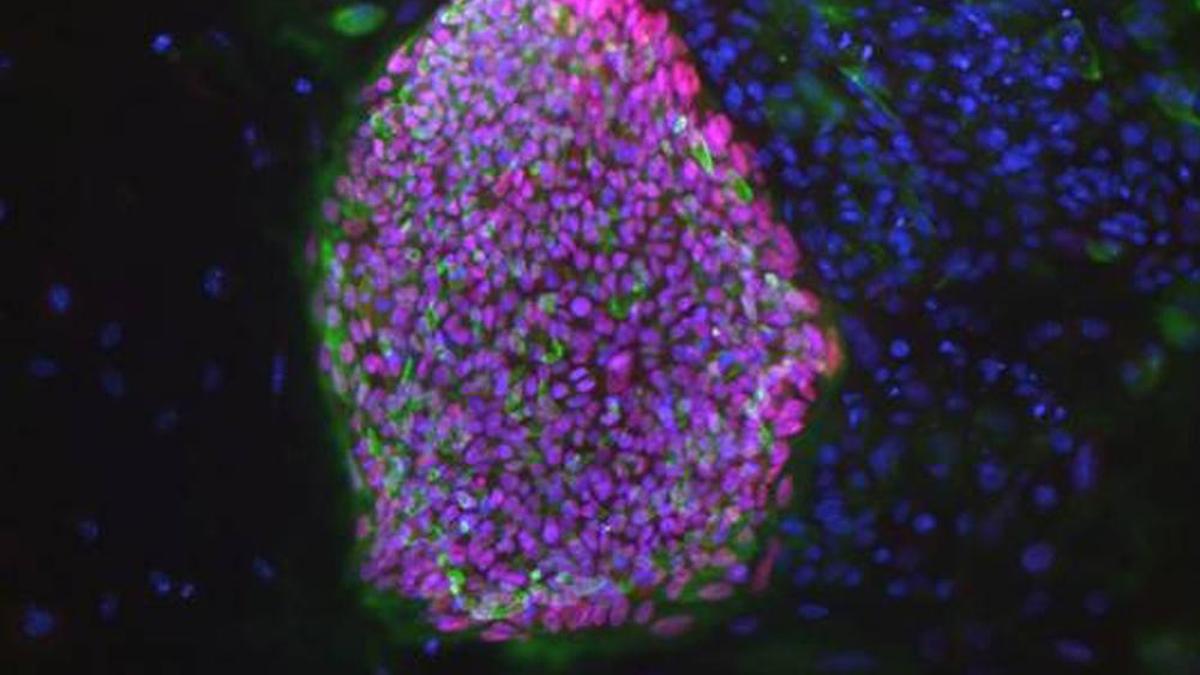
The researchers found that the process involves sphingolipids, a class of fats released by macrophages, rather than the inflammatory proteins traditionally associated with obesity-related pancreatic damage |Image used for representational purpose only | Photo Credit: REUTERS Researchers at the Indian Institute of Technology-Kanpur have identified a molecular pathway through which immune cells in the pancreas can rapidly suppress insulin release, opening up a potential new avenue for developing therapies to protect insulin production in people with obesity and Type-2 diabetes.The findings, published in ‘Journal of Clinical Investigation’, show that immune cells called macrophages can switch off insulin secretion by neighbouring beta cells within minutes, rather than gradually damaging them through inflammation over months or years, according to a note issued by IIT-Kanpur on Thursday.Simran Singh and Ashish Kumar led the study as co-first authors under the supervision of Sai Prasad Pydi, assistant professor, department of biological sciences and bioengineering, IIT-Kanpur.“We discovered that immune cells that are present next to beta cells can switch off insulin release within minutes,” Pydi said.The researchers found that the process involves sphingolipids, a class of fats released by macrophages, rather than the inflammatory proteins traditionally associated with obesity-related pancreatic damage.The team traced the trigger to GPR18, a receptor on macrophages. Once activated, it prompts the immune cells to release sphingolipids, which are taken up by neighbouring beta cells through a surface transporter, and interfere with their insulin-producing machinery.Using a precision genetic technique, the researchers found that activating this pathway reduced insulin secretion in mouse models, while switching it off improved insulin release. Blocking GPR18 or other steps in the pathway also restored insulin secretion.The team, working with the Indiana Biosciences Research Institute in the US, confirmed that the same pathway was present and active in human pancreatic tissue.Activating it in donated human tissue also suppressed insulin secretion, according to the communique.While the study does not offer an immediate treatment for diabetes, the findings establish a potential target for developing drugs to preserve insulin production in people with obesity and Type-2 diabetes, it said. Published - November 13, 2026 07:07 pm IST
IIT-Kanpur researchers identify how pancreatic immune cells switch off insulin release
Full Article
Original Source
Read the full article at Thehindu →KhanList aggregates and links to publicly available news content. We do not host full articles from third-party sources. Always verify important information with original sources.