
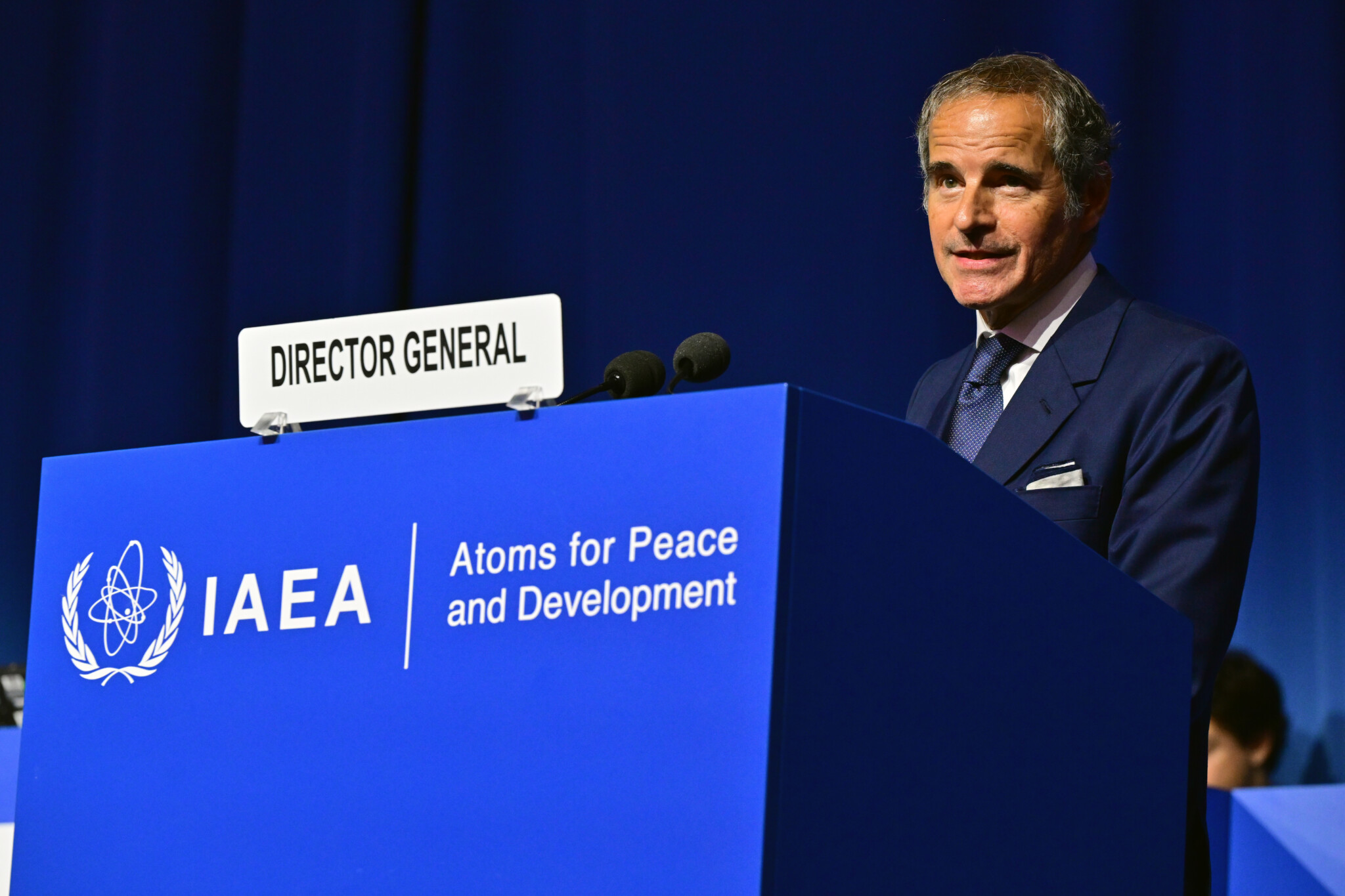
A unanimous vote by the International Atomic Energy Agency’s (IAEA’s) Board of Governors on September 9 formally ended consideration of Syria’s nuclear noncompliance. The decision followed cooperation by Damascus’s new authorities with a nearly two-decade-old investigation into the Assad regime’s proliferation efforts. Those efforts included work with North Korea to build a plutonium-producing nuclear reactor — destroyed by an Israeli strike in 2007 — and the concealment of related covert facilities. The program was almost certainly intended to produce nuclear weapons. While the Syrian authorities have taken important steps toward compliance, the board’s action is premature since outstanding questions remain about the Assad regime’s nuclear activities. Washington should press Syria for further progress before Damascus receives a clean slate. Syria Renews IAEA Cooperation In June 2011, the IAEA’s board found Syria in noncompliance and referred the case to the UN Security Council after Damascus stonewalled the agency’s investigation into secret nuclear work. Syria concealed evidence at the destroyed reactor site at Deir Al-Zour — later burying it under concrete — and at other associated locations. In 2024, the Assad regime allowed IAEA visits to three sites related to the reactor: one known publicly as Marj as-Sultan, associated with uranium conversion and fuel fabrication; a storage site for construction materials; and a site for construction materials and planned for plutonium reprocessing. At Marj as-Sultan, inspectors found uranium particles consistent with a reactor designed to run on natural uranium-metal fuel. After Assad’s fall in December 2024, the new authorities granted another visit to Marj as-Sultan in June 2025. Sampling detected traces of the same processed uranium. New Declarations and IAEA Inspections On July 17, Syria notified the IAEA of a previously undeclared site that might hold nuclear material and invited inspectors. The site, likely “Site 99” per Axios reporting, had long been watched by Israel and was declared by Syria with U.S. brokering. Damascus also agreed to excavation at Deir Al-Zour and access to other locations suspected of holding nuclear material or contaminated equipment. From August 17-18, IAEA Director General Rafael Grossi led inspectors to Deir Al-Zour, where excavation uncovered buried cooling infrastructure consistent with a reactor, and to Site 99. Verification there found about 73 tons of previously undeclared natural uranium-metal — some 55 tons of fuel rods and about 18 tons of uranium scrap and waste — plus a large stock of graphite moderator, used to maintain stable chain reactions in a nuclear reactor, at another location within the site. Declaring the natural uranium-metal material and submitting design information for the storage location, as well as Marj as-Sultan, were required under Syria’s existing safeguards agreement. On August 19, inspectors visited two additional suspect locations but found no nuclear material or equipment. U.S. Pressure Needed To Ensure Full Program Comes to Light A clean bill of health from the IAEA board risks lifting pressure before the Syria investigation is finished. The IAEA still does not know the planned scope of plutonium reprocessing, the present location of related equipment, and the extent of North Korean assistance, including on building nuclear weapons. Damascus should make a full declaration of all past and current nuclear activities, as is common for states in noncompliance with their IAEA safeguards agreements, and should adopt the IAEA’s Additional Protocol to give the agency legally required access to undeclared sites. The U.S. statement to the board also made these points: Syria’s work with the IAEA is “not yet complete”; “evaluation of information and samples” is ongoing; and many questions about “Assad’s program remain unanswered.” Washington said it looked forward to further reporting from the director general and a detailed assessment of the undeclared program, adding that “there can be no shortcuts” in closing longstanding “noncompliance involving undeclared nuclear material and facilities.” Finally, despite earlier reporting that the United States had helped arrange export of the natural uranium-metal, Damascus now appears determined to maintain the material in-country under safeguards — even though Syria has no reactors that use it. The country’s unstable security environment raises the risk that the material could fall into the wrong hands. Washington should continue pressuring Syria to export it. Andrea Stricker is a research fellow and deputy director of the Nonproliferation Program at the Foundation for Defense of Democracies (FDD). For more analysis from the author and FDD, please subscribe HERE. Follow FDD on X @FDD. Follow Andrea on X @StrickerNonpro. FDD is a Washington, DC-based, nonpartisan research institute focused on national security and foreign policy.
IAEA Ends Syria’s Nuclear Noncompliance Finding
Full Article
Original Source
Read the full article at Fdd →KhanList aggregates and links to publicly available news content. We do not host full articles from third-party sources. Always verify important information with original sources.