
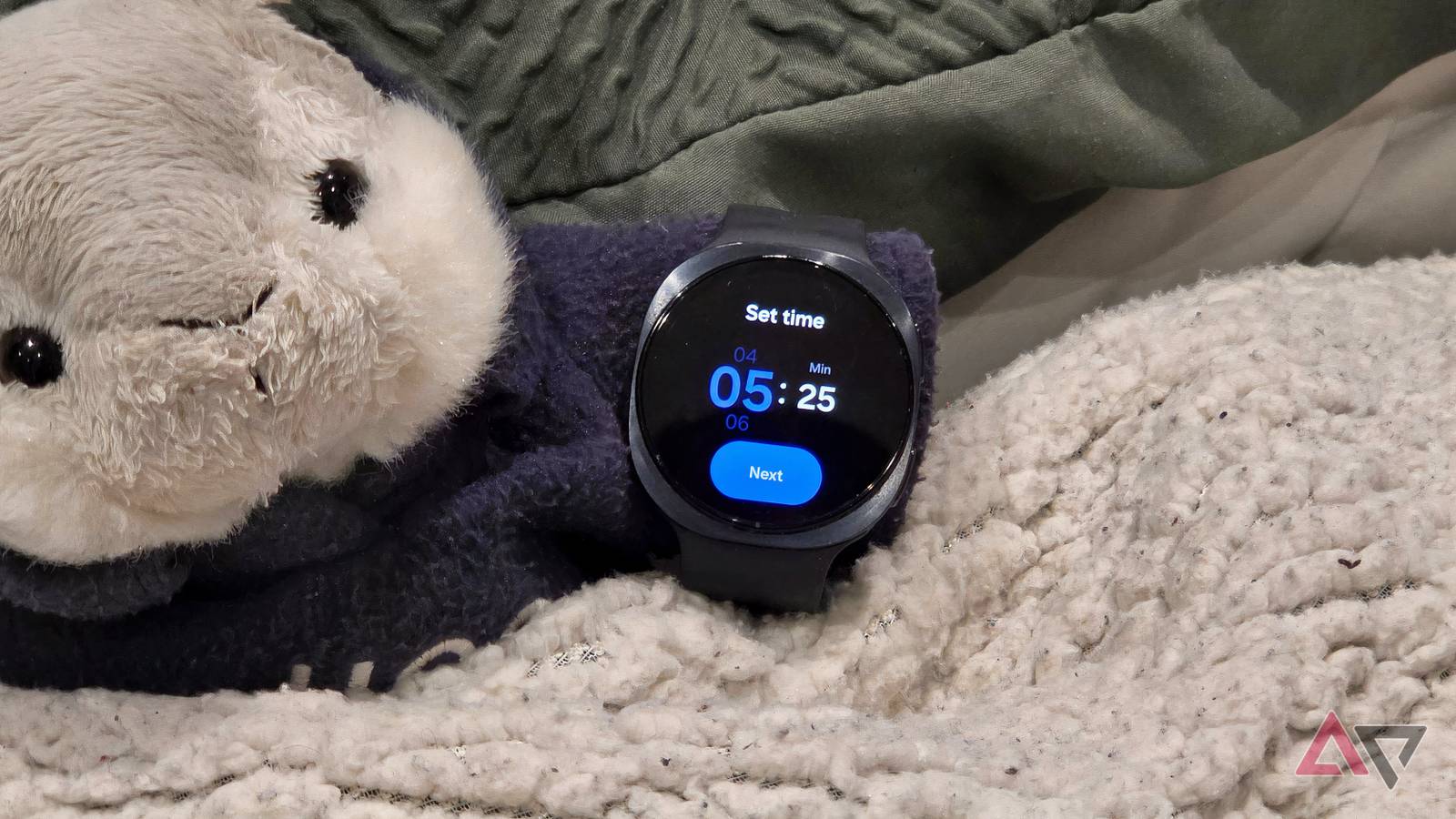
Published Nov 12, 2026, 8:00 AM EST Tom has been covering technology since 2019, having worked as part of the phones team at TechRadar and then as an editor at What to Watch. Since 2025 he’s been a freelance contributor for many more brands including Digital Trends. BGR, TechRadar Gaming, TechAdvisor and GamesRadar. He's written about myriad topics over his career including phones and tablets, headphones and earbuds, fitness and AV, and enjoys adding more beats to his repertoire. Outside of technology he’s also written reviews and features on games, movies and sports, having worked for many years as an editor at movie & TV website WhattoWatch. He's attended tech launches, product shows, movie premieres and game launches to do so. Tom is based in London, UK, and when not covering technology he does work in the film sector, enjoys to run, cycle, climb and play tennis, and plays several instruments. When I got my first cell phone 20 years ago, before these pocket devices could take photos, stream movies, or play video games, I used it for one simple job: as a wake-up alarm. Now smartphones are here, but it's still a daily task. Are those days over, though? I haven't set an alarm on my Android phone in over a month, and it's starting to look like another gadget has taken over the task — and is doing a better job of it. Ever since I started letting my Samsung Galaxy Watch 9 handle my wake-up calls, my phone alarm has enjoyed a lie-in every day. Not only are my wake-ups far easier, but it's been better for everyone else. A peaceful wake-up every morning No more blaring rock music On my Samsung Galaxy Z Fold 8 Ultra, I've been using the Samsung Clock app. It's simple and easy to use ( unless you want more than 100 alarms), and I like being able to get it to play from my Spotify playlists. But getting jolted awake by It's My Life at 7 am isn't exactly a peaceful ritual, and if I choose something lighter, it doesn't wake me up. So I need to set fast-paced music to get me up. This is at loggerheads with health trends. Gadgets like wake-up lights are popular because they naturally wake you up, instead of pulling you from sleep suddenly, and a gentle exit from sleep makes many people feel better rested. Science agrees: A study from the University of Virginia suggested that jarring wake-up alarms can raise your blood pressure, which can be linked to severe consequences. By default, wearables don't use sound in their alarms. Instead, they vibrate, which is almost silent and less intrusive than any kind of audible noise. That's one reason I've been enjoying using a smartwatch to wake me up: it provides that gentle wake-up something like a wake-up light would, instead of shocking me awake every morning. It feels like a person is shaking my wrist to wake me up. I've found that a smartwatch shaking my wrist to wake me up feels more natural than waking up to music, as though I've ended my slumber naturally instead of with an alarm. I don't feel as groggy, and I don't have to look at a screen to end it either. Over time, I'm interested in using smartwatch sleep-tracking tools to see whether these changes result in better sleep. For now, I have to rely on how I feel: pretty good! A peaceful wake-up for everyone, not just me An alarm for one To wake you up, the Google Clock alarm can be quite loud. It doesn't help that I put my phone on the other side of my bedroom, forcing myself to get out of bed to turn it off. It's foolproof, but not ideal for anyone else around me. I often have to wake up in the early hours for work, especially when that work takes me out of the city, and I always feel immensely guilty setting a 3 am alarm when I know my partner will be woken up by it too. Sometimes, the "others" are strangers. I sometimes go on trips to backpackers' hostels, including recently, and setting an early wake-up alarm in a room full of slumbering people is incredibly rude. My favorite part of my smartwatch's wake-up call is that it's silent. There's no blaring noise, no incessant chiming, no pick from Spotify's daily playlist, and nothing that'll wake up anyone around me. Instead, because it works by vibration, it doesn't wake anyone else when I need to get up. I've managed plenty of early-morning rises and hostel stays without waking anyone else up unnecessarily. My partner is especially grateful for this use of tech, because she gets to lie in when I don't need to. And I'm a better boyfriend because I'm not forcing her to rock serenades before the sun has risen. It's a win-win. I can't go back to phone alarms I recently ditched the Samsung Galaxy Watch 9 for a cheap fitness tracker to review. Instead of reverting to smartphone wake-up alarms, I made sure the new device had an alarm function, and I've used it ever since. I can't go back to phone alarms. They lead to a more jarring wake-up, disturb people around me, and fail if I forget to plug my phone in to charge overnight. Wearables are already tracking my sleep, so why not handle my wake-up? Most importantly, setting a fitness tracker alarm is as easy as pressing a few buttons on my wrist when I'm in bed. Alarms are annoying to set, which is why some people let Android Routines take over their morning wake-up call.
I started using my smartwatch alarm instead of my phone's alarm; I can't go back
Full Article
Original Source
Read the full article at Androidpolice →KhanList aggregates and links to publicly available news content. We do not host full articles from third-party sources. Always verify important information with original sources.