
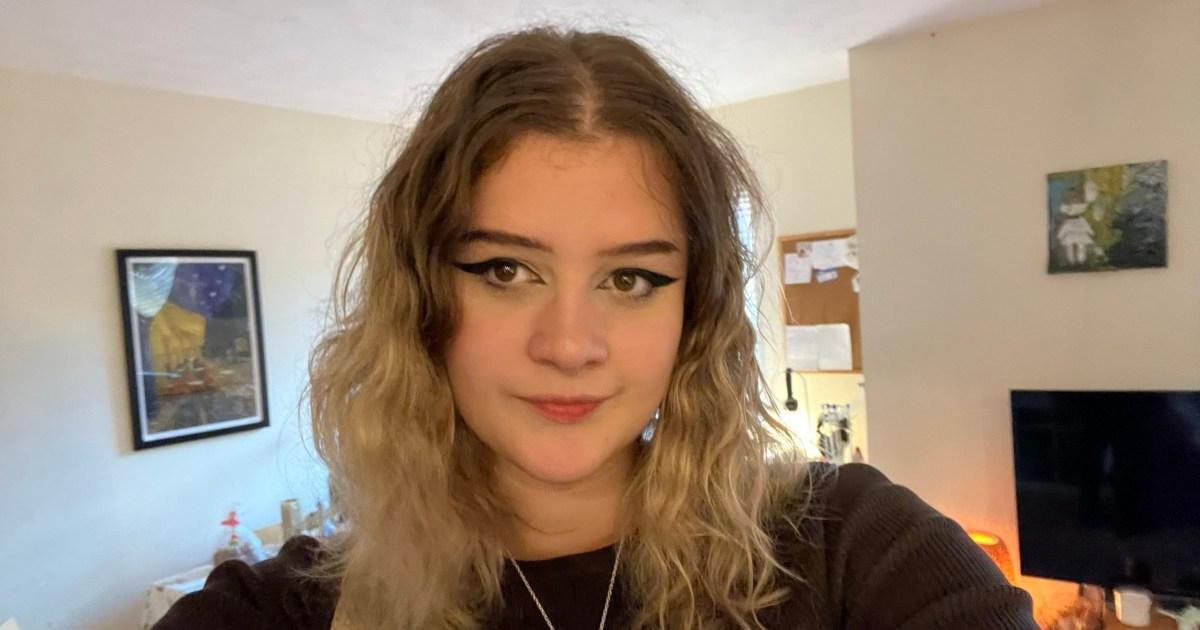
I’ve learned to embrace who I am (Picture: Stella Rogers) Looking across the bar I rolled my eyes. I had just seen a group of gay people, with colourful hair, wearing florals and covered in pride flag pins, talking loudly about their gender and sexual identity. I couldn’t understand why they couldn’t just be more discrete. Elbowing my friend, Chris*, to get his attention, I pointed my head towards them so he could join me in my disdain – we both sat there judging a group of gay people. But we’re not homophobes – in fact we’re both gay ourselves. We had just convinced ourselves we were better than them. We basked in our made-up superiority for a moment, and then ordered another drink. Thankfully that was back in 2022 and a lot has changed since then. Mostly – I’ve learned to embrace who I am, and in turn – other queer people’s identity. I pointed my head towards them so he could join me in my disdain – we both sat there judging a group of gay people (Picture: Stella Rogers) Join Metro's LGBTQ+ community on WhatsApp With thousands of members from all over the world, our vibrant LGBTQ+ WhatsApp channel is a hub for all the latest news and important issues that face the LGBTQ+ community. Simply click on this link, select ‘Join Chat’ and you’re in! Don't forget to turn on notifications! I grew up in Stockport in Greater Manchester and had a very happy childhood, despite being a bit of a ‘weird’ kid. Other children either really got on with me, or really didn’t – a bit like marmite. Ask Metro Use AI to go deeper into the stories you care about – powered by Metro and trusted publications. Then at the young age of 13, I was outed as a lesbian. I had confessed to a girl online who was the only other out girl at my school that I thought I was gay and the next day everyone knew. It was 2016, and even though gay marriage had been legalised in the US and brands everywhere would plaster a rainbow over their logo during Pride month, the atmosphere around my sexuality at school was far from accepted. My loved ones were very supportive and I was so lucky to have this at home – there were several other gay people amongst my family friends. I noticed that whenever I’d excuse casual homophobia, my stomach would turn (Picture: Stella Rogers) I was very grateful for this, but nonetheless, a slow buildup of casual homophobia rooted itself in my school routine. I didn’t experience the typical bullying you might see in a teen film – I wasn’t a complete loner and never experienced any physical violence. Instead, girls asked me if I had a crush on them, which made me feel uncomfortable. And the boys would ask invasive questions about my non-existent sex life, only to up the ante when I’d go bright red. It all boiled over for me when one day, a girl in my class repeatedly called me a slur. She was at my house working on a group project when she said it – I will never forget the awkward silence after. No-one stood up for me. I just wanted to be ‘normal’. Queer Hope & Joy Metro is sharing stories of Queer Hope & Joy, where we are centring stories that platform the vibrancy, diversity and resilience of the LGBTQ+ community. This is running alongside LGBT Foundation's Hope Starts Here campaign, and will represent as many LGBTQ+ identities as possible, while spreading hope and joy at a time it is very much needed. Find out more about LGBT Foundation's campaign here. To submit your story of your Queer Hope & Joy send your pitches to: sharan.dhaliwal@metro.co.uk And one day, I found out how. Unfortunately, it was at the expense of my community. A boy called Adam* in my drama lesson told me he was surprised that he got on with me so well. He said that, even though I was gay, I was ‘sound’ because I didn’t make it my whole personality. I was out, but I wasn’t like the ‘weird gays’. So, I took on the role of the ‘normal gay’ by wearing dresses that, stereotypically, straight girls would wear; slinky dresses from online stores like Oh Polly or Pretty Little Thing. I wore more makeup and excused any homophobic remarks people would make by saying: ‘Don’t worry about it! Some gay people are so sensitive nowadays’. But I noticed that whenever I’d excuse casual homophobia, my stomach would turn. I was deeply uncomfortable, and it would come out in awkward loud laughter to these comments. Reading, I discovered that we are stronger together than apart (Picture: Stella Rogers) Three years later, I went to Bristol University, and while at a freshers’ fair, the chair of the LGBTQ+ society invited me to their next event aimed at creating a new committee for the group after I had spent five minutes awkwardly hanging around the stall. I went, peeked in the room, saw rainbow flags everywhere and bolted. I was excited for university because I thought it was a chance to make more LGBTQ+ friends but my own judgement was isolating me. Going somewhere new had given me the opportunity to reinvent myself, to be more proud of my own identity, but I just couldn’t shake the shame. Then one day, something finally changed when I came across Leslie Feinberg’s Stone Butch Blues – a semi autobiographical story of the lesbian community in the USA from the 1950s to the 1980s. Find out more about the LGBT Foundation LGBT Foundation is the UK’s leading LGBTQ+ health and wellbeing charity. Get involved with their ‘Hope Starts Here' campaign today at https://lgbt.foundation/hope-starts-here/ The book featured stories of lesbians who had no other choice but to be out and proud in their identity. Feinberg talked a lot about how division in the LGBT+ community only allows oppression to get worse. Reading, I discovered that we are stronger together than apart. I realised I owed it to the generations who fought for my freedom to not be so filled with judgement towards people in my own community. It turned out, I was just deeply jealous of people who were open. After understanding my community’s history and recognising my previous judgement as secret envy helped me to realise that being a ‘weird gay’ doesn’t actually exist. Now in 2026, aged 22, I’m back in Manchester, also known as the gay capital of the north. And I am exactly the type of person younger me would have sneered at. The biggest change I had was internal (Picture: Stella Rogers) More and more, I’m going to explicitly lesbian events, from club nights to activism groups and the community are some of the kindest people I have ever met. Now I only dress femininely for myself, have no desire to seem ‘sound’ to men, and will rant about lesbian politics and history to anyone who will listen. Chris and I remain friends and we often cringe at the thought of who we were just a few years ago. The biggest change I had was internal – I do wear more funky clothes now and present as a very feminine lesbian – but my life really changed when I stopped holding judgement for my community only to try to find respect outside of it. I am not proud of how I used to think, but it is so important to remember that period in my life in order to continue growing from it. Now, I wish I could go back to that moment in the bar. I would be excited to meet fellow members of my community, with their vibrant hair and rainbow pins. I could have met some pretty amazing people. Do you have a story you’d like to share? Get in touch by emailing Ross.Mccafferty@metro.co.uk. Share your views in the comments below. Arrow MORE: Chronic illness left me the skinniest I’ve ever been – I’ve never felt worse Arrow MORE: My date booked a barbershop quartet – it was excruciating Arrow MORE: Doctors missed by small baby’s 2kg tumour six times, then it spread
I spent years trying to avoid being a ‘weird gay’
Full Article
Original Source
Read the full article at Metro →KhanList aggregates and links to publicly available news content. We do not host full articles from third-party sources. Always verify important information with original sources.