
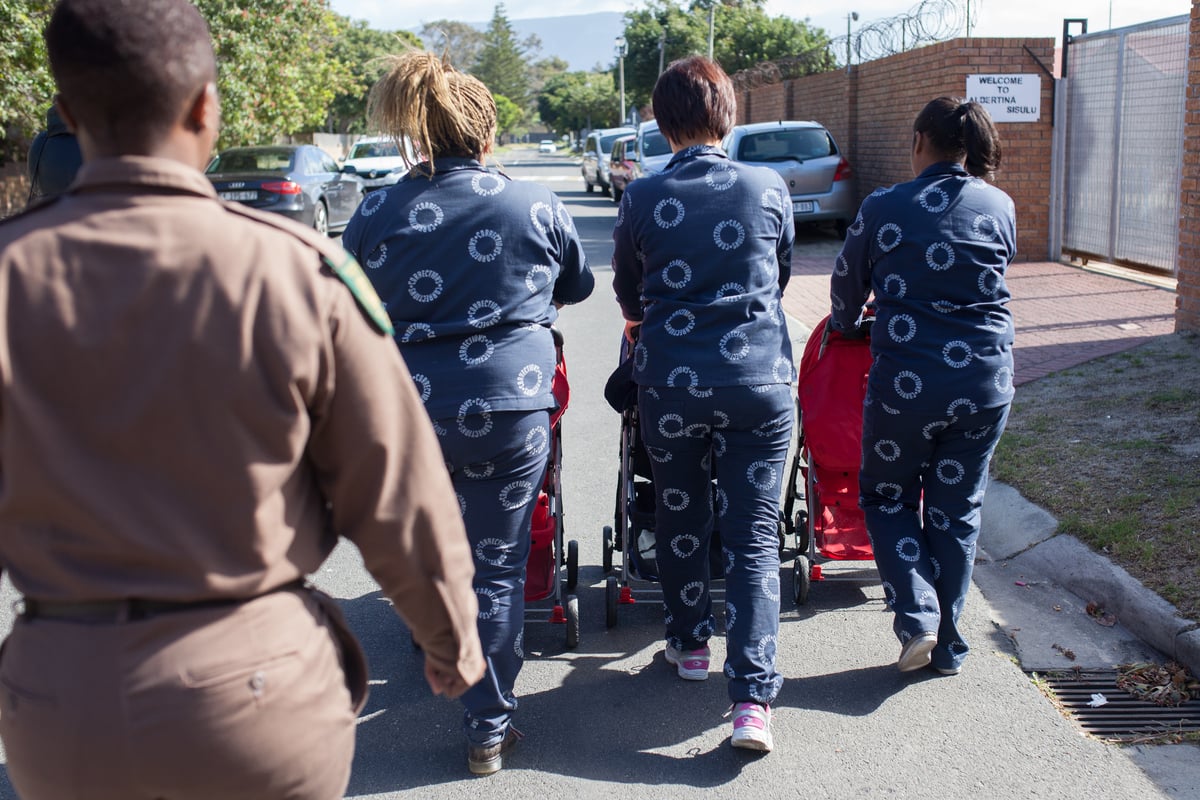
Incarcerated women were motivated by SA's top female leaders to not allow their current circumstances to define their future “I miss my kids and my family, but I’m looking forward to seeing my sentence and learning from my mistakes,” said Hlayisekani Mngomani, a 35-year-old inmate serving an eight-year sentence for fraud. Mngomani was one of the nine incarcerated women who spoke at the Beauty Beyond Bars dialogue at the Johannesburg Correctional Facility, where incarcerated women, policymakers and civil society partners discussed rehabilitation, dignity and second chances. She told the gathering that, after arriving in prison in 2024, she decided to rewrite her matric. She passed. “Motivated by my results, I decided to apply for law, which I’m currently studying for,” Mngomani said. “It’s not easy.” Her words set the tone for an event that placed the voices of women in prison at the centre of a conversation usually dominated by officials and policy language. ‘This initiative helped us’ 29-year-old Masethembe Mbatha said the dialogue gave incarcerated women a space to speak about experiences they often keep to themselves. Mbatha is serving eight years of a 25-year sentence for robbery and murder. She recalled feeling terrified and abandoned when her male co-accused escaped custody in 2017 and 2018 – only for one of them to be fatally shot during a cash robbery weeks later, forcing her to confront how easily she could have shared that fate. “This initiative helped us, I think, more than anything, for our mental health,” she said. “Because some of us never speak about some of the issues we experience. It gave us support and a platform.” Former lawyer Kgaugelo Peta, who is serving 10 years for stealing trust funds, reflected on how her arrogance ruined innocent families who had saved for years to buy homes. She admitted that her theft sparked divorces and left victims emotionally shattered, noting it took her two years of personal growth to offer a genuine apology rather than a courtroom plea for a lighter sentence. Former financial adviser Prudence Mabuza, serving 18 years for fraud, echoed that remorse, admitting she betrayed her employer’s trust and ruined the company. ‘There are no dustbins for people’ Retired judge Thokozile Masipa told the women that a prison sentence should not define the rest of their lives. “There are no dustbins for people,” she said. Masipa urged the women to forgive themselves and believe that their next chapter could be better. “Freedom is not about being free from the chains,” she said. “It means you have to start being free where you currently are. So that when you walk out of here, you become free.” She encouraged the women to see themselves as human beings with something to offer society, even while serving their sentences. ‘Out of chains but not being free’ Deputy Minister of Correctional Services Lindiwe Ntshalintshali delivered the keynote address at the third edition of the Mother Africa Dialogues. She said the department’s responsibility went beyond keeping people behind bars. “I’ve seen men and women walk about the doors of correctional service facilities out of chains but not being free,” Ntshalintshali said. She argued that incarceration must never strip people of their fundamental humanity. Babies behind and beyond bars The event opened with a tour of the Mother and Baby Unit, placing the experiences of incarcerated mothers at the centre of the discussion. Studies show that, due to the restrictive prison environment, minor children who live in correctional centres with their caregivers are negatively affected by the rigidity of the prison regime. The lack of exposure to life outside the prison and to male role models may lead to children struggling to adjust in society. Ntshalintshali said women in conflict with the law face particular challenges, especially mothers and primary caregivers. She said the emotional pain of separation from children must shape how the correctional system approaches rehabilitation. A participant, Patricia, emphasised that her children are so forgiving and that there is a deep need for mothers to apologise to their children and families for the disruption caused by their incarceration. “Our kids are so forgiving. We need to be a generation of ex/offenders to apologise to our children because we disrespected our families. “My daughter said to me, ‘Mama, you know when they give you the sentence, they didn’t punish you; they punished us’. She was 13 years old when she told me that. “I will apologise every day to my children,” said Patricia. A call for second chances Ntshalintshali urged the women not to allow their current circumstances to define their future. She also called on partners and society to open doors, provide mentorship and ensure that no woman is denied a better future because of her past. “Let us build a correctional environment in which women are not merely accommodated, but understood, not merely managed, but empowered,” she said. Mulalo Sivhidzho, who arrived broken while serving a life term for killing her husband, credited spiritual and self-esteem courses with restoring her confidence. Since enrolling in prison studies in 2014, she has earned both a postgraduate diploma and a master’s degree, and is now completing a PhD aimed at improving rehabilitation programmes for incarcerated women. The dialogue took place ahead of the annual 16 Days of Activism for No Violence Against Women and Children campaign, linking the experiences of incarcerated women to broader conversations about gender-based violence, dignity and rehabilitation.
‘I miss my kids’: Women behind bars say prison gave them a chance to rebuild
Full Article
Original Source
Read the full article at Citizen →KhanList aggregates and links to publicly available news content. We do not host full articles from third-party sources. Always verify important information with original sources.